

Liberal Perspectives on Criminal Justice Reform: Building a More Equitable System
The American criminal justice system stands at a crossroads. With over 2 million people incarcerated and communities of color disproportionately affected by harsh sentencing policies, many are calling for comprehensive reform. Liberal perspectives on criminal justice reform offer a fundamentally different approach—one that prioritizes rehabilitation over punishment, addresses systemic inequalities, and focuses on creating safer communities through evidence-based policies.
This isn’t just about being “soft on crime.” It’s about recognizing that our current system often fails both victims and offenders while perpetuating cycles of poverty and incarceration. Liberal reformers argue that true public safety comes from addressing root causes of crime and creating pathways for redemption and reintegration.

The Foundation of Liberal Criminal Justice Philosophy
Liberal approaches to criminal justice reform rest on several core principles that challenge traditional punitive models. These perspectives emphasize human dignity, social justice, and the belief that people can change when given proper support and opportunities.
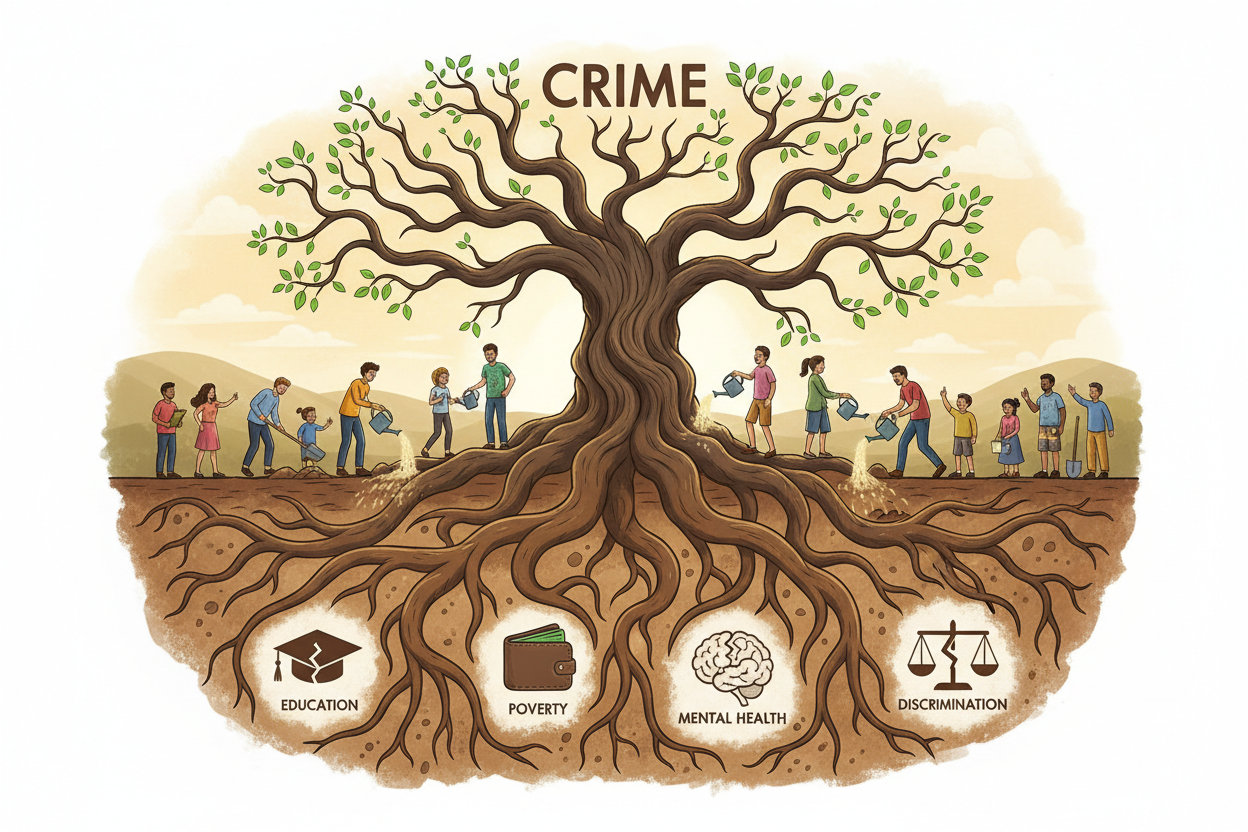
At its heart, the liberal philosophy views crime not just as individual moral failing, but as a symptom of broader social issues like poverty, lack of education, mental health problems, and systemic discrimination. This doesn’t excuse criminal behavior, but it provides a framework for understanding why crime occurs and how society can most effectively respond.
The concept of restorative justice plays a central role in liberal thinking. Rather than simply punishing offenders, this approach focuses on repairing harm done to victims and communities while helping offenders understand the impact of their actions and take responsibility for making amends.
Addressing Racial Disparities and Systemic Bias
One of the most pressing concerns in liberal criminal justice reform is confronting the stark racial disparities that permeate every level of the system. African Americans are incarcerated at roughly five times the rate of whites, despite similar rates of drug use and other criminal activities across racial lines.
These disparities begin with policing practices and continue through sentencing. Liberal reformers advocate for comprehensive data collection on police stops, searches, and arrests to identify and address discriminatory patterns. They support ending practices like stop-and-frisk that disproportionately target communities of color without demonstrable public safety benefits.
Prosecutorial reform represents another crucial area. Liberal perspectives support electing progressive prosecutors who prioritize alternatives to incarceration for non-violent offenses and work to eliminate cash bail systems that keep low-income defendants in jail simply because they cannot afford to pay for their release.
Sentencing reform tackles mandatory minimums and three-strikes laws that have contributed to mass incarceration without improving public safety. These policies often result in disproportionately harsh sentences for people of color and remove judicial discretion in considering individual circumstances.
Rehabilitation Over Punishment: A Paradigm Shift
Liberal criminal justice reform fundamentally rejects the idea that longer sentences automatically create safer communities. Instead, it emphasizes rehabilitation programs that address the underlying factors contributing to criminal behavior.
Education programs in prisons show remarkable success in reducing recidivism. Inmates who participate in educational programs are 43% less likely to return to prison within three years of release. Liberal reformers advocate for expanding access to college courses, vocational training, and basic literacy programs within correctional facilities.
Mental health and substance abuse treatment represent critical components of rehabilitation-focused reform. Approximately 40% of inmates have a history of mental illness, and substance abuse affects roughly 65% of the incarcerated population. Liberal perspectives support treating these issues as public health problems rather than criminal ones.
Drug courts and mental health courts exemplify this approach, diverting people with substance abuse and mental health issues away from traditional prosecution toward treatment programs. These specialized courts have shown significant success in reducing both recidivism and costs to taxpayers.
Community-Based Alternatives to Incarceration
Liberal reform advocates strongly support expanding alternatives to traditional incarceration that keep individuals connected to their families and communities while still holding them accountable for their actions.
Electronic monitoring programs allow non-violent offenders to serve sentences at home while maintaining employment and family relationships. These programs cost significantly less than incarceration while producing better outcomes for both offenders and their families.
Community service programs provide opportunities for offenders to make direct amends to the communities they’ve harmed. This approach satisfies the need for accountability while building positive connections between offenders and their neighborhoods.
Halfway houses and reentry programs help individuals transition back into society with support systems in place. Liberal reformers recognize that successful reintegration requires assistance with housing, employment, and ongoing support services that address the challenges formerly incarcerated individuals face.
Juvenile Justice Reform: Investing in Youth
Liberal perspectives on juvenile justice emphasize the developmental differences between adolescents and adults, advocating for age-appropriate responses to youth crime that prioritize rehabilitation and education over punishment.
The school-to-prison pipeline represents a particular concern, as zero-tolerance policies in schools often push students toward the criminal justice system for minor infractions that could be handled through counseling or restorative practices.
Liberal reformers support raising the age of adult prosecution, recognizing that brain development continues into the mid-twenties and that young people have greater capacity for change and rehabilitation. They advocate for investing in community-based programs that address the root causes of youth crime, including family support services, mentoring programs, and educational opportunities.
Economic Benefits of Liberal Criminal Justice Reform
Beyond moral arguments, liberal criminal justice reform makes compelling economic sense. The United States spends over $80 billion annually on corrections, with limited returns on this massive investment in terms of public safety or reduced crime rates.
Prevention and early intervention programs consistently show better cost-benefit ratios than incarceration. Every dollar invested in high-quality early childhood education programs, for example, saves society between $7-12 in reduced criminal justice costs, increased earnings, and other benefits.
Treatment programs for substance abuse and mental health issues cost a fraction of incarceration while producing better outcomes. Drug treatment programs typically cost between $4,000-$7,000 per person annually, compared to $35,000-$70,000 per year for incarceration.
Liberal reformers also point to the broader economic benefits of keeping families together and allowing non-violent offenders to continue contributing to their communities through employment and tax payments rather than becoming financial burdens on the state.
Victim-Centered Approaches in Liberal Reform
Contrary to common misconceptions, liberal criminal justice reform places significant emphasis on victim rights and needs. However, it recognizes that victims benefit more from offender rehabilitation and community healing than from purely punitive measures.
Restorative justice programs bring victims and offenders together in facilitated dialogues that allow victims to ask questions, express the impact of crimes, and participate in determining appropriate responses. Many victims report finding these processes more satisfying and healing than traditional court proceedings.
Victim services programs receive strong support from liberal reformers, including expanded funding for counseling, legal advocacy, and financial assistance. These perspectives recognize that supporting victims requires more than simply punishing offenders—it requires comprehensive services that address their ongoing needs.
Liberal reform also emphasizes preventing future victimization through evidence-based crime prevention strategies rather than relying solely on deterrence through harsh punishment, which research shows has limited effectiveness.
Challenges and Implementation Strategies
Implementing liberal criminal justice reforms faces significant political and practical challenges. Public opinion often favors punitive approaches, particularly in response to high-profile crimes or during periods of social anxiety.
Liberal reformers recognize the need for gradual implementation and demonstrable results to build public support. Pilot programs that show measurable improvements in public safety and cost savings help build political coalitions for broader reforms.
Police reform represents a particularly complex challenge, requiring changes in training, accountability systems, and departmental culture. Liberal perspectives support community policing models that emphasize relationship-building and problem-solving over enforcement-focused approaches.
Funding represents another significant hurdle, as rehabilitation programs and social services require upfront investments even though they produce long-term savings. Liberal reformers advocate for redirecting existing criminal justice spending toward more effective approaches rather than simply adding new costs.
Conclusion: Building a More Just Future
Liberal perspectives on criminal justice reform offer a comprehensive vision for creating a more effective, equitable, and humane system. By focusing on rehabilitation over punishment, addressing systemic inequalities, and investing in community-based solutions, these approaches promise better outcomes for everyone involved—victims, offenders, and society as a whole.
The evidence increasingly supports liberal reform approaches. Countries and states that have implemented comprehensive reforms have seen reductions in crime rates, recidivism, and incarceration costs while improving community safety and well-being.
Change won’t happen overnight, and it will require sustained political will and public support. However, the current system’s failures are too significant to ignore, and the potential benefits of reform are too substantial to dismiss. Liberal criminal justice reform represents not just a policy preference, but a moral imperative to create a system that truly serves justice and promotes public safety for all Americans.
The path forward requires continued advocacy, evidence-based policymaking, and a commitment to addressing the root causes of crime while maintaining accountability and supporting victims. By embracing these liberal perspectives on criminal justice reform, we can work toward a system that reflects our highest values and most practical wisdom.
Frequently Asked Questions
Q: Does liberal criminal justice reform mean being “soft on crime”?
A: No. Liberal reform focuses on evidence-based approaches that have been proven more effective at reducing crime and recidivism than purely punitive measures. It emphasizes accountability while addressing root causes of criminal behavior.
Q: How do liberal reforms address victim needs?
A: Liberal reforms emphasize restorative justice approaches that give victims more voice in the process, expanded victim services, and focus on preventing future crimes through rehabilitation rather than relying solely on deterrence through punishment.
Q: What evidence supports rehabilitation over punishment?
A: Numerous studies show that rehabilitation programs significantly reduce recidivism rates compared to incarceration alone. Countries with rehabilitation-focused systems, like Norway and Germany, have much lower crime and recidivism rates than the United States.
Q: How do liberal reforms address public safety concerns?
A: Liberal reforms focus on evidence-based crime prevention, community policing, addressing root causes of crime, and ensuring that dangerous offenders receive appropriate treatment and supervision. The goal is creating genuinely safer communities, not just the appearance of safety through harsh punishment.
Q: Are liberal criminal justice reforms cost-effective?
A: Yes. Prevention programs, treatment approaches, and alternatives to incarceration typically cost significantly less than traditional incarceration while producing better outcomes in terms of reduced crime and recidivism.