

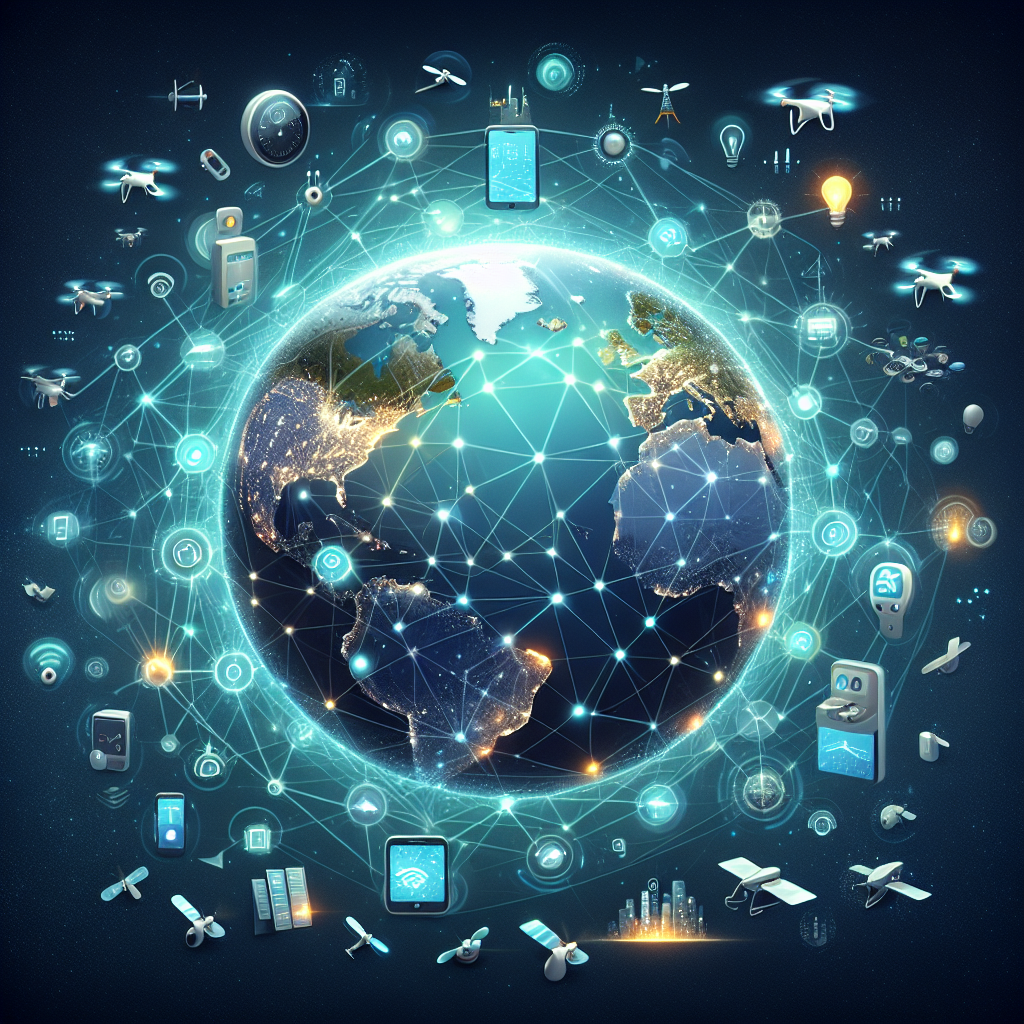
The Internet of Things: Connecting Our World
In today’s digital age, the Internet of Things (IoT) is more than just a buzzword; it’s a revolutionary force reshaping our daily lives. Imagine waking up in the morning, your coffee maker brewing a fresh pot as soon as your alarm goes off, your thermostat adjusting to the perfect temperature, and your car’s GPS mapping out the best route to avoid traffic—all happening automatically. This is the power of IoT, seamlessly connecting our world and enhancing our everyday experiences.
What is the Internet of Things?
The Internet of Things refers to the interconnected network of physical devices, vehicles, appliances, and other items embedded with sensors, software, and network connectivity. These “smart” devices collect and exchange data, often without human intervention, to optimize processes, increase efficiency, and improve our quality of life. From smart homes to smart cities, IoT is transforming how we live, work, and interact with our environment.

How IoT is Transforming Our Lives
IoT is not just about convenience; it’s about creating a more efficient and sustainable world. Let’s explore some of the key areas where IoT is making a significant impact:
Smart Homes
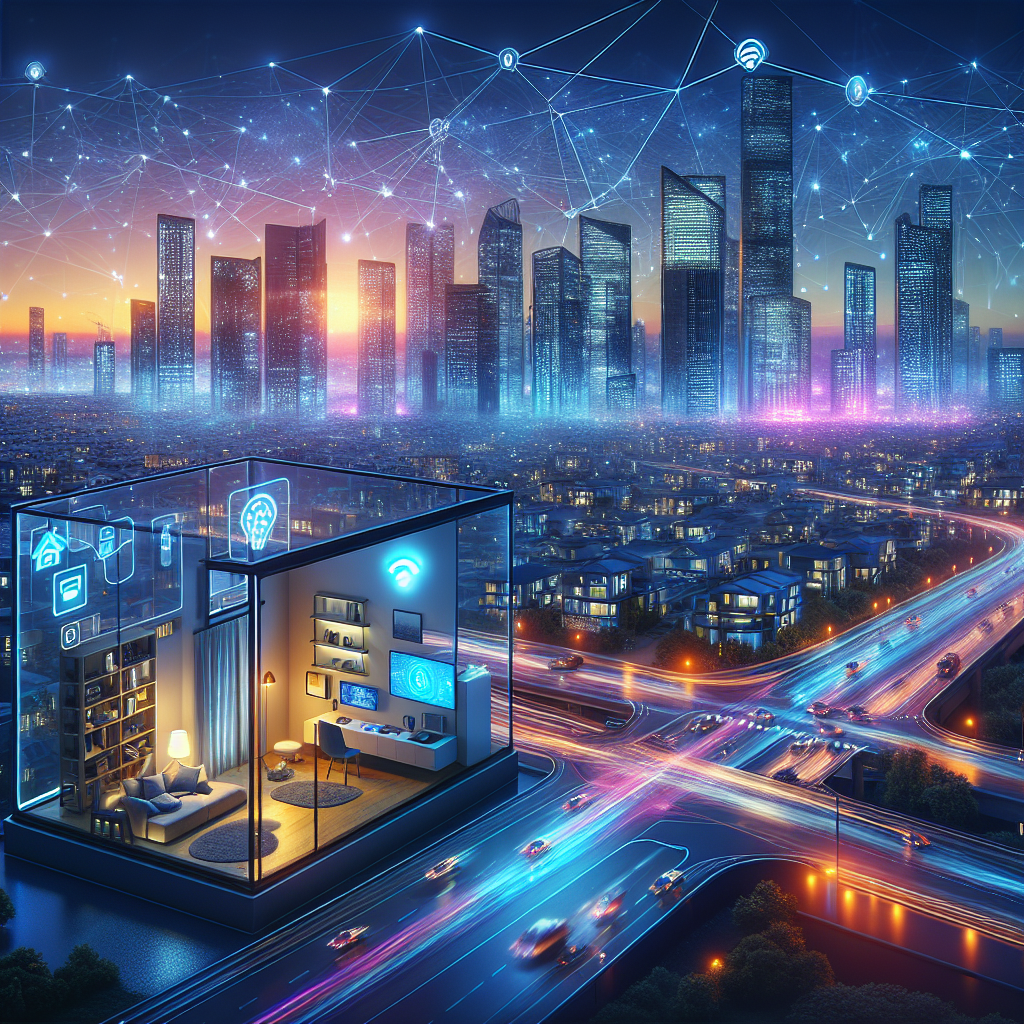
Smart homes are perhaps the most visible manifestation of IoT technology. With devices like smart thermostats, lighting systems, and security cameras, homeowners can control and monitor their living spaces remotely. This not only enhances comfort and security but also leads to significant energy savings. Imagine adjusting your home’s lighting from your smartphone or receiving alerts when someone enters your property—IoT makes this possible.
Healthcare Innovations
In the healthcare sector, IoT is revolutionizing patient care and medical research. Wearable devices like fitness trackers and smartwatches monitor vital signs in real-time, allowing users and healthcare providers to track health metrics and detect potential issues early. Moreover, IoT-enabled medical equipment in hospitals ensures better patient management and more accurate diagnostics, ultimately leading to improved health outcomes.
Industrial IoT
The industrial sector is leveraging IoT to optimize operations, reduce costs, and enhance productivity. Industrial IoT (IIoT) applications include predictive maintenance of machinery, which minimizes downtime and extends equipment life. Additionally, IoT sensors in manufacturing facilities provide real-time data analytics to streamline processes and improve product quality, driving efficiency across the board.
Smart Cities
IoT plays a crucial role in the development of smart cities, where interconnected systems improve urban living. From intelligent traffic management systems that reduce congestion to smart waste management solutions that optimize collection routes, IoT is helping cities become more sustainable and livable. These innovations lead to reduced pollution, better resource management, and enhanced public services.
Challenges and Concerns
Despite its many benefits, IoT presents several challenges and concerns that must be addressed. Security is a significant issue, as the vast amount of data generated by IoT devices can be vulnerable to cyberattacks. Ensuring the privacy and security of user data is crucial to maintaining trust in IoT technologies.
Interoperability is another challenge, as devices from different manufacturers may not always communicate effectively. Establishing common standards and protocols is essential for seamless integration and operation of IoT systems.
The Future of IoT
Looking ahead, the future of IoT is incredibly promising. As technology continues to advance, we can expect even more innovative applications and solutions. The integration of artificial intelligence and machine learning with IoT will enable devices to become smarter and more autonomous, further enhancing their capabilities.
Moreover, the expansion of 5G networks will provide the high-speed connectivity required to support the growing number of IoT devices, facilitating faster data transmission and real-time communication.
Conclusion
The Internet of Things is undeniably transforming our world, offering unprecedented levels of connectivity and convenience. From smart homes to smart cities, IoT is enhancing our lives in ways we could only imagine a few years ago. However, addressing the challenges of security and interoperability is crucial to unlocking its full potential. As we continue to embrace this digital revolution, the possibilities are endless, and the journey has just begun.
FAQs
What is the Internet of Things (IoT)?
The Internet of Things (IoT) is a network of physical devices connected to the internet, enabling them to collect and exchange data. These devices use sensors, software, and connectivity to improve processes and user experiences.
How does IoT impact daily life?
IoT impacts daily life by automating routine tasks, enhancing convenience, improving efficiency, and enabling new services across various sectors like healthcare, transportation, and home automation.
What are the main challenges of IoT?
Key challenges of IoT include ensuring data security, maintaining user privacy, achieving device interoperability, and managing the vast amount of data generated by IoT devices.
What is the future of IoT?
The future of IoT involves further integration with technologies like artificial intelligence and 5G connectivity, leading to smarter, more autonomous devices and innovative applications across multiple industries.


Leave a Reply
You must be logged in to post a comment.