The Role of Social Media in Modern Elections: How Digital Platforms Are Reshaping Democracy
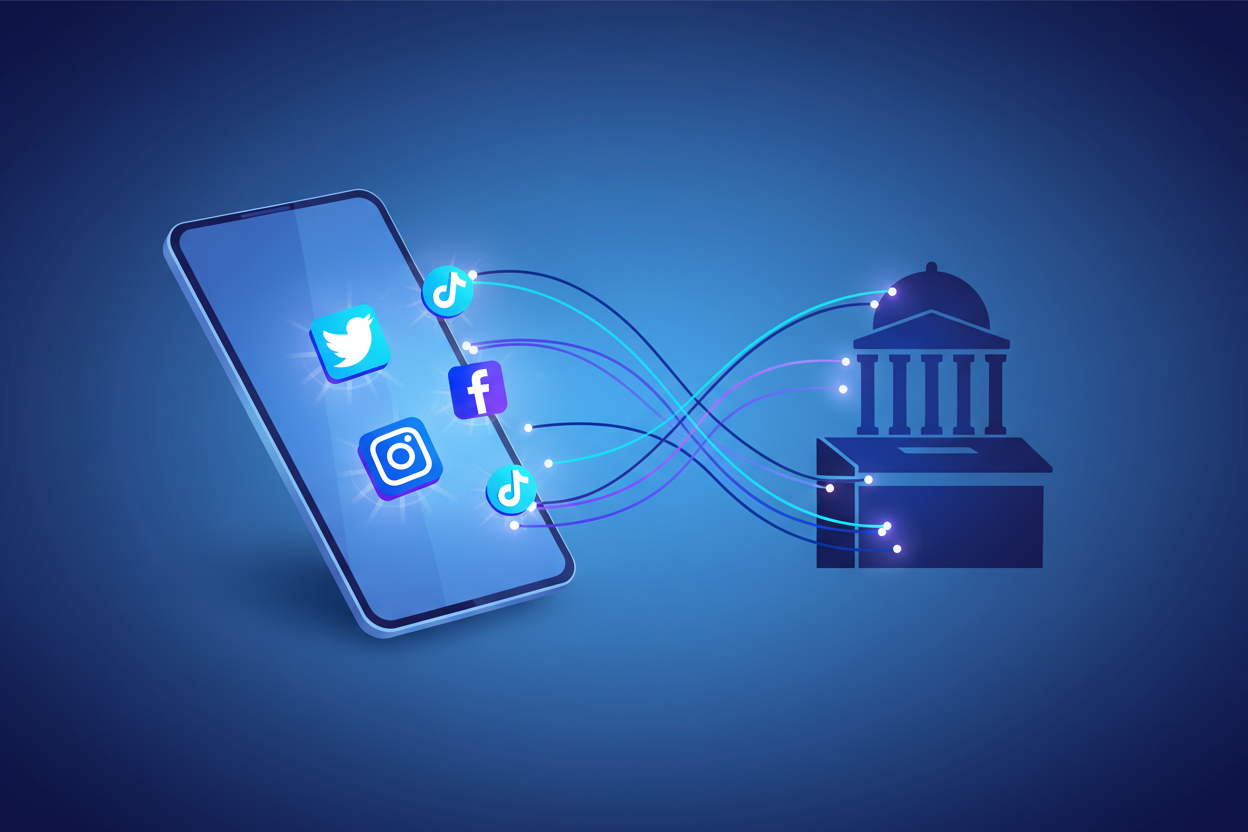
Remember when political campaigns meant door-to-door canvassing, television ads, and town hall meetings? Those days feel like ancient history now. Today’s elections unfold primarily in the digital realm, where a single tweet can make or break a candidate’s chances, and viral videos can shift public opinion overnight. Social media has fundamentally transformed how we conduct elections, engage with voters, and even understand democracy itself.
The numbers tell the story: over 4.8 billion people worldwide use social media platforms, spending an average of 2.5 hours daily scrolling, sharing, and engaging with content. For politicians and voters alike, these platforms have become the primary battleground where elections are won and lost. But this digital revolution brings both unprecedented opportunities and serious challenges that we’re still learning to navigate.
The Evolution of Political Campaigning in the Digital Age
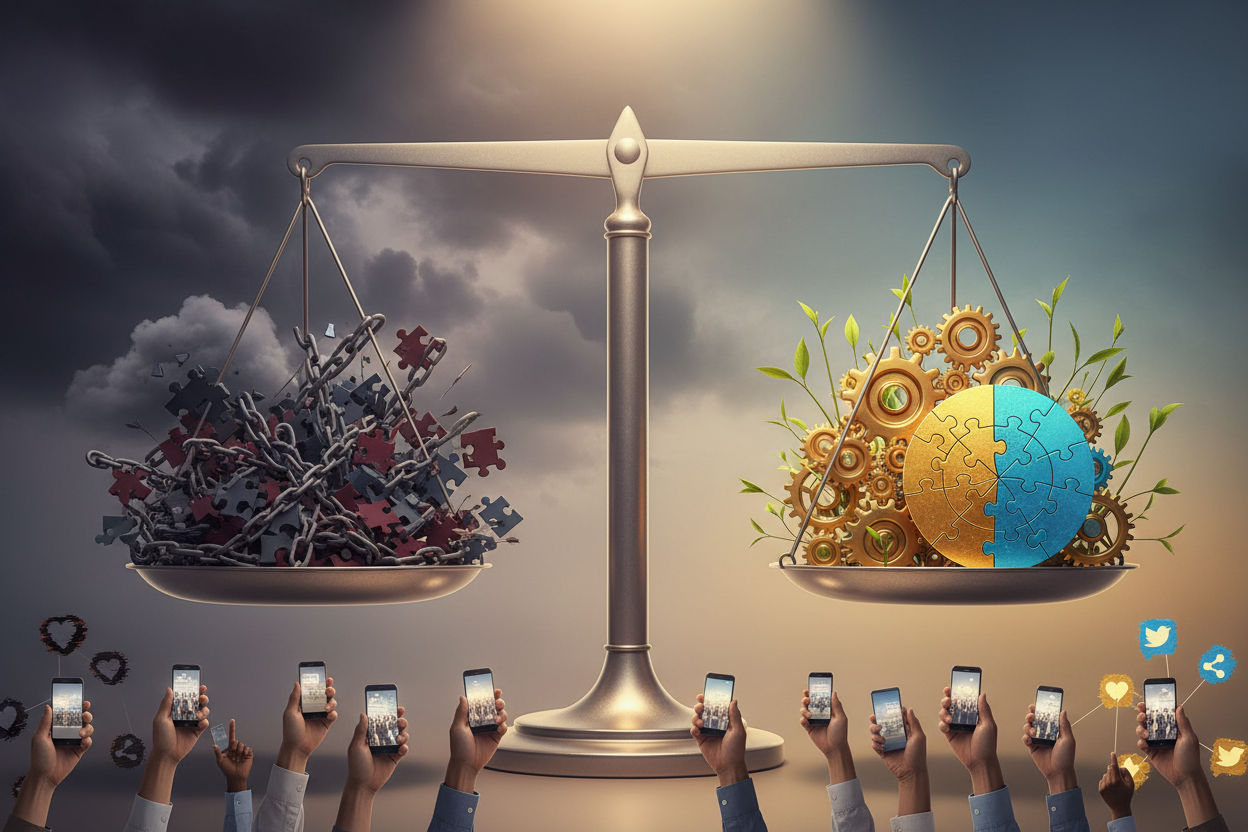
Political campaigning has undergone a complete metamorphosis since social media entered the scene. Traditional campaign strategies that once relied heavily on expensive television advertisements and print media have given way to sophisticated digital operations that can target individual voters with laser precision.
Barack Obama’s 2008 presidential campaign is often credited as the first to truly harness social media’s power, using platforms like Facebook and Twitter to mobilize young voters and raise unprecedented amounts of money through small online donations. This marked the beginning of what we now recognize as modern digital campaigning.
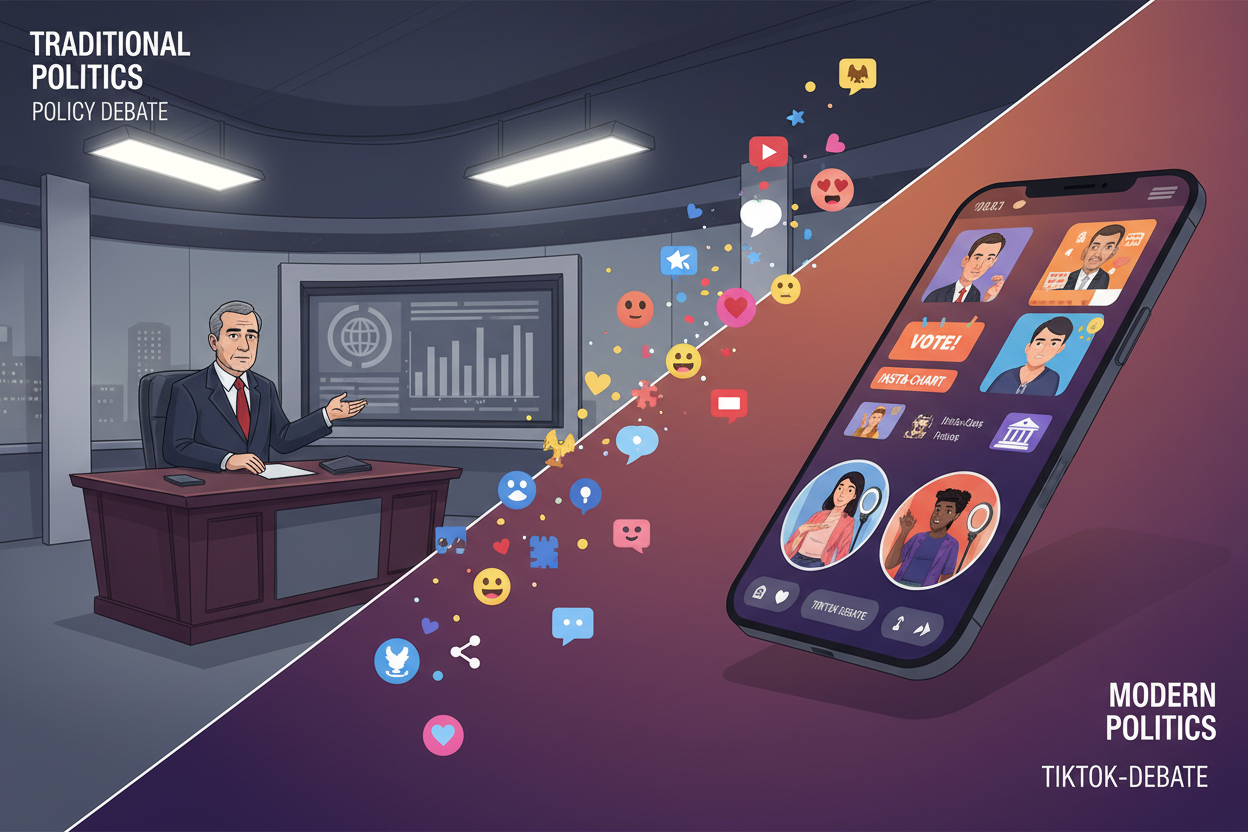
Today’s campaigns operate 24/7 social media war rooms, where teams of strategists, content creators, and data analysts work around the clock to craft messages, respond to developments, and engage with supporters. The speed and scale of modern political communication would have been unimaginable just two decades ago.
Direct Voter Engagement: Breaking Down Traditional Barriers
One of the most significant changes social media has brought to elections is the direct line of communication it creates between candidates and voters. Politicians no longer need to rely solely on journalists and media outlets to convey their messages. They can speak directly to millions of followers with a single post, bypassing traditional gatekeepers entirely.
This direct engagement has democratized political communication in many ways. Candidates who might not have access to major media outlets or large advertising budgets can still reach significant audiences through organic social media content. We’ve seen this play out in elections worldwide, where grassroots candidates have leveraged social media to compete with well-funded establishment politicians.
The interactive nature of social media also allows for real-time feedback and engagement. Voters can ask questions, share concerns, and participate in political discussions in ways that were never possible before. Live streaming features on platforms like Instagram and Facebook have made virtual town halls and Q&A sessions commonplace, especially following the COVID-19 pandemic.
The Power of Targeted Political Advertising
Perhaps no aspect of social media’s impact on elections is more controversial than targeted advertising. These platforms collect vast amounts of data about their users – their interests, demographics, online behavior, and even offline activities. This information enables political advertisers to target specific groups with tailored messages that are more likely to resonate.
The sophistication of this targeting is remarkable. Campaigns can show different advertisements to suburban mothers concerned about education, urban professionals worried about economic policy, and rural voters focused on agricultural issues. This micro-targeting allows for highly efficient use of campaign resources and can significantly increase the effectiveness of political messaging.
However, this same capability raises serious concerns about manipulation and the creation of information bubbles. When different groups of voters see completely different messages from the same candidate, it becomes difficult to hold politicians accountable for their positions. The lack of transparency in political advertising on social media has led to calls for stricter regulation and oversight.
Information Spread and the Challenge of Misinformation
Social media’s ability to rapidly disseminate information has proven to be both a blessing and a curse for democratic processes. On the positive side, important news about candidates, policies, and election procedures can reach millions of people within minutes. Citizen journalists and activists can share information that might otherwise go unreported by traditional media.
However, this same speed and reach make social media platforms fertile ground for misinformation and disinformation. False stories about candidates, misleading claims about voting procedures, and conspiracy theories can spread just as quickly as legitimate news – sometimes even faster, as sensational content tends to generate more engagement.
The 2016 U.S. presidential election served as a wake-up call about the potential for foreign interference through social media manipulation. Since then, platforms have invested billions of dollars in content moderation, fact-checking partnerships, and artificial intelligence systems designed to identify and limit the spread of false information.
Yet the challenge persists. The sheer volume of content posted daily makes comprehensive moderation nearly impossible, and the subjective nature of many political claims makes fact-checking complex. Different groups often have fundamentally different interpretations of the same events, making it difficult to establish universal standards for truth in political discourse.
Youth Political Engagement Through Digital Platforms
One of the most positive impacts of social media on elections has been its ability to engage younger voters who might otherwise remain disconnected from the political process. Platforms like TikTok, Instagram, and Snapchat, which are particularly popular among Gen Z and younger millennials, have become important venues for political education and mobilization.
Young content creators have found innovative ways to explain complex political issues through short videos, memes, and interactive content. This has made political information more accessible and engaging for audiences who might find traditional political coverage dry or intimidating. The informal, conversational tone of much social media content helps demystify politics and makes it feel more relevant to young people’s daily lives.
Social media has also made it easier for young people to organize and participate in political movements. From climate activism to social justice campaigns, young voters have used these platforms to coordinate protests, share resources, and build communities around shared political goals. This grassroots organizing capability has translated into increased voter registration and turnout among younger demographics in many countries.
Global Influence and Cross-Border Political Impact
The global nature of social media platforms means that elections in one country can be influenced by actors from around the world. This has created new challenges for maintaining the integrity of democratic processes and protecting national sovereignty over electoral systems.
Foreign governments, international organizations, and diaspora communities can all play roles in shaping public opinion during elections through social media. While some of this influence is benign – such as diaspora communities supporting candidates in their home countries – other forms of foreign interference are more problematic.
State-sponsored disinformation campaigns, coordinated inauthentic behavior, and cyber attacks on electoral infrastructure have become significant concerns for election officials worldwide. The borderless nature of social media makes it difficult to regulate or prevent such interference, leading to ongoing tensions between platform companies, governments, and international organizations.
Platform Policies and Election Integrity Measures
In response to growing concerns about their role in elections, major social media platforms have implemented various policies and measures designed to protect election integrity. These include fact-checking partnerships, content labeling systems, restrictions on political advertising, and enhanced verification procedures for political accounts.
Facebook, now Meta, has created an extensive network of third-party fact-checkers and has implemented systems to reduce the distribution of content flagged as potentially false. Twitter, now X, has experimented with various approaches to combating misinformation, including warning labels and account suspensions. TikTok has banned political advertising entirely in many markets.
However, these measures remain controversial. Critics argue that platform companies have too much power to determine what information voters can access, while others contend that current efforts are insufficient to address the scale of the problem. The debate over how to balance free speech principles with the need to combat misinformation continues to evolve.
The Future of Social Media in Elections
As we look ahead, it’s clear that social media’s role in elections will continue to evolve. Emerging technologies like artificial intelligence, virtual reality, and blockchain could further transform how campaigns operate and how voters engage with the democratic process.
AI-powered chatbots might soon provide personalized political information to voters, while virtual reality could enable immersive campaign experiences that make voters feel like they’re attending rallies or town halls from their homes. Blockchain technology could potentially be used to create more transparent and verifiable systems for political advertising and campaign finance.
At the same time, we can expect continued efforts to address the challenges that social media has created for democratic processes. This might include new regulations on political advertising, enhanced transparency requirements for social media companies, and improved digital literacy education for voters.
Conclusion: Navigating Democracy in the Digital Age
Social media has fundamentally altered the landscape of modern elections, bringing both remarkable opportunities and significant challenges. These platforms have democratized political communication, enabled direct engagement between candidates and voters, and provided new avenues for civic participation, particularly among young people.
However, they have also created new vulnerabilities in our democratic systems, from the spread of misinformation to foreign interference and the potential for manipulation through sophisticated targeting techniques. As we continue to navigate this digital transformation of democracy, it’s crucial that we work to maximize the benefits while minimizing the risks.
The future of elections will undoubtedly be shaped by how well we manage this balance. Success will require ongoing collaboration between platform companies, governments, civil society organizations, and citizens themselves. We must remain vigilant about protecting the integrity of our democratic processes while preserving the openness and accessibility that make social media such a powerful tool for political engagement.
Ultimately, social media is neither inherently good nor bad for democracy – it’s a tool whose impact depends on how we choose to use it. By staying informed, thinking critically about the information we encounter online, and actively participating in efforts to improve our digital democratic systems, we can help ensure that social media serves to strengthen rather than undermine the democratic values we hold dear.
Frequently Asked Questions
How has social media changed voter turnout in elections?
Social media has generally had a positive impact on voter turnout, particularly among younger demographics. Studies show that social media campaigns can increase voter registration and turnout by making political participation more accessible and engaging. However, the effect varies by platform, campaign strategy, and demographic group.
What are the main concerns about misinformation on social media during elections?
The primary concerns include the rapid spread of false information about candidates or voting procedures, foreign interference in domestic elections, the creation of echo chambers that polarize voters, and the difficulty of fact-checking the massive volume of content posted daily. These issues can undermine informed decision-making and trust in electoral processes.
How do social media platforms try to prevent election interference?
Platforms employ various strategies including fact-checking partnerships, content moderation systems, political advertising transparency measures, account verification processes, and AI-powered detection of coordinated inauthentic behavior. They also work with election officials and security agencies to identify and address threats.
Can social media algorithms influence election outcomes?
Yes, algorithms that determine what content users see can potentially influence elections by creating filter bubbles, amplifying certain messages over others, or promoting engaging but potentially misleading content. However, the extent of this influence is debated among researchers, and platforms have made efforts to adjust their algorithms during election periods.
What role does social media play in political fundraising?
Social media has revolutionized political fundraising by enabling campaigns to reach potential donors directly, facilitate small-dollar donations through integrated payment systems, and use targeted advertising to identify likely supporters. This has democratized fundraising and allowed candidates with smaller traditional networks to compete more effectively.
How can voters protect themselves from misinformation on social media?
Voters can protect themselves by verifying information through multiple reliable sources, being skeptical of sensational or emotionally charged content, checking the credibility of sources, using fact-checking websites, and being aware of their own biases when consuming political content online.