

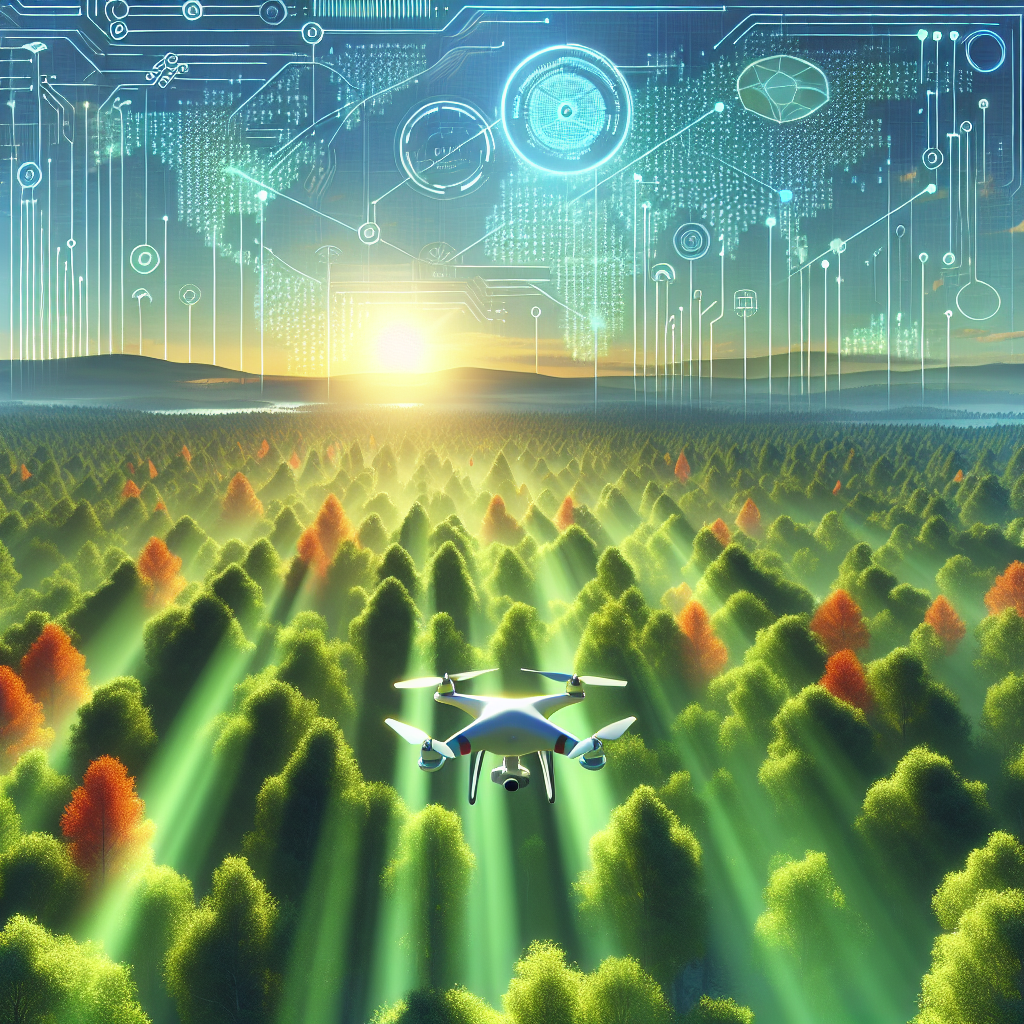
The Role of Technology in Environmental Conservation
In today’s fast-paced world, technology is often seen as the cause of environmental degradation. However, it is also an essential part of the solution. The integration of technology in environmental conservation efforts is transforming how we perceive and address ecological issues. From renewable energy innovations to data analytics, technology is playing a pivotal role in conserving our planet’s resources. In this blog post, we’ll explore the various ways technology contributes to environmental conservation and why it’s crucial for our future sustainability.
Harnessing Renewable Energy Sources
One of the most significant impacts of technology on environmental conservation is the development and deployment of renewable energy sources. Solar panels, wind turbines, and hydropower systems are just a few examples of how technology is harnessing natural resources to generate clean energy. These innovations reduce our reliance on fossil fuels, which are a major contributor to pollution and climate change.
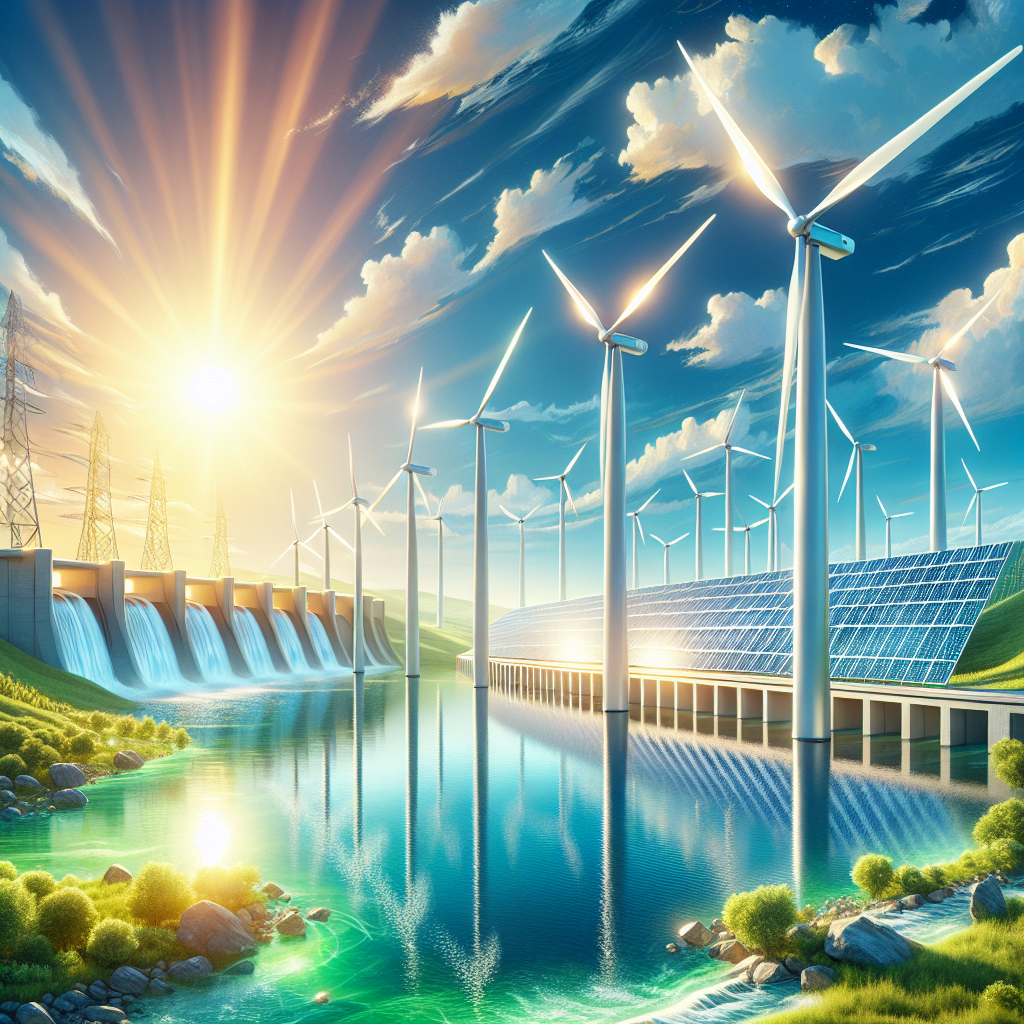
For instance, solar technology has seen significant advancements over the years, with solar panels becoming more efficient and affordable. This progress has led to increased adoption of solar energy in both residential and commercial sectors, reducing carbon footprints and promoting sustainable energy practices.
Smart Agriculture and Precision Farming
Agriculture is another area where technology is making strides in conservation. Smart agriculture, also known as precision farming, uses technology to optimize crop production and soil management. By employing GPS, sensors, and data analytics, farmers can monitor soil health, water usage, and crop conditions in real-time.
This approach not only boosts productivity but also minimizes waste and environmental impact. For example, drones equipped with multispectral cameras can survey large fields and provide detailed information on crop health, enabling farmers to apply fertilizers and pesticides only where needed, reducing chemical runoff into nearby water bodies.
Wildlife Monitoring and Protection
Technology is also playing a crucial role in wildlife conservation efforts. Advanced tracking devices and satellite imagery are being used to monitor animal populations and their habitats. These tools help conservationists track migration patterns, identify threats, and implement measures to protect endangered species.
For example, GPS collars fitted on animals like elephants and rhinos provide real-time data on their movements, helping prevent poaching and human-animal conflicts. Similarly, camera traps and drones are used to monitor remote areas, providing valuable insights into wildlife behavior without disturbing their natural habitat.
Water Conservation Technologies
Water scarcity is a growing concern worldwide, and technology is stepping in to address this issue. Innovative solutions such as smart irrigation systems, water recycling, and desalination technologies are helping conserve and manage water resources more efficiently.
Smart irrigation systems, which utilize sensors and weather data, ensure that crops receive the right amount of water, reducing waste and conserving this precious resource. Meanwhile, water recycling technologies are being implemented in industrial and municipal settings to treat and reuse wastewater, reducing the demand for fresh water.
Data Analytics and Environmental Monitoring
Data analytics is another powerful tool in environmental conservation. By collecting and analyzing vast amounts of data, scientists and policymakers can better understand environmental trends and make informed decisions. Environmental monitoring systems track air and water quality, deforestation rates, and climate changes, providing essential data for conservation efforts.
For instance, satellite data and remote sensing technologies enable the monitoring of deforestation in real-time, allowing for swift action against illegal logging activities. Similarly, air quality sensors installed in urban areas help track pollution levels, guiding policies to improve air quality.
Innovative Waste Management Solutions
Waste management is a critical component of environmental conservation, and technology is leading the charge in finding innovative solutions. From recycling technologies to waste-to-energy systems, advancements in this field are helping reduce waste and its impact on the environment.
Recycling technologies have improved the sorting and processing of materials, making recycling more efficient and effective. Waste-to-energy systems convert non-recyclable waste into usable energy, reducing landfill dependency and lowering greenhouse gas emissions.
Conclusion
Technology has undeniably become a cornerstone in environmental conservation efforts. From renewable energy to data-driven decision-making, it offers innovative solutions to some of our planet’s most pressing challenges. As we continue to develop and implement these technologies, it is crucial to ensure they are accessible and sustainable, paving the way for a greener, more resilient future. By embracing technology as an ally in conservation, we can work towards a healthier planet for generations to come.
FAQs
How does technology help in reducing pollution?
Technology helps reduce pollution through innovations like electric vehicles, which emit no exhaust emissions, and advanced filtration systems that reduce industrial pollutants. Additionally, monitoring systems track pollution levels, enabling timely interventions.
What role does technology play in climate change mitigation?
Technology aids climate change mitigation by providing tools for renewable energy production, energy-efficient systems, and carbon capture and storage solutions. These advancements help reduce greenhouse gas emissions and promote sustainable practices.
Can technology solve all environmental problems?
While technology offers significant solutions for environmental issues, it is not a panacea. Effective conservation requires a combination of technology, policy changes, and community engagement. Sustainable practices and lifestyle changes are also crucial in addressing environmental challenges.
What is the future of technology in environmental conservation?
The future of technology in environmental conservation looks promising, with ongoing advancements in artificial intelligence, blockchain, and biotechnology. These technologies have the potential to enhance conservation efforts by improving resource management, monitoring ecosystems, and promoting transparency and accountability in conservation initiatives.



Leave a Reply