

Conservative Values in Modern America
In the ever-evolving landscape of American society, the role and relevance of conservative values have come under intense scrutiny and discussion. While some view these principles as steadfast anchors in a turbulent cultural sea, others see them as outdated relics that need to adapt to modern times. This blog post delves into the essence of conservative values and examines their place in contemporary America.
Understanding Conservative Values
At its core, conservatism in America emphasizes tradition, individual responsibility, and limited government. These values are often rooted in a desire to preserve established norms and institutions, which many conservatives believe provide stability and continuity in society.
Traditionally, conservatism champions personal accountability, advocating for individuals to take charge of their own lives and destinies. This belief extends to economic policies that favor free markets and entrepreneurship, where minimal government intervention is seen as a pathway to prosperity and innovation.
The Role of Tradition in Conservatism
Tradition plays a pivotal role in conservative ideology, serving as a guiding light for future generations. Many conservatives argue that the lessons learned from history and the wisdom passed down through generations are vital to the fabric of society. They believe these traditions help maintain a sense of identity and continuity in an ever-changing world.
For instance, family values are often highlighted by conservatives as the cornerstone of societal health. The belief is that strong family units provide the moral and educational foundation for children, shaping them into responsible and productive members of society.
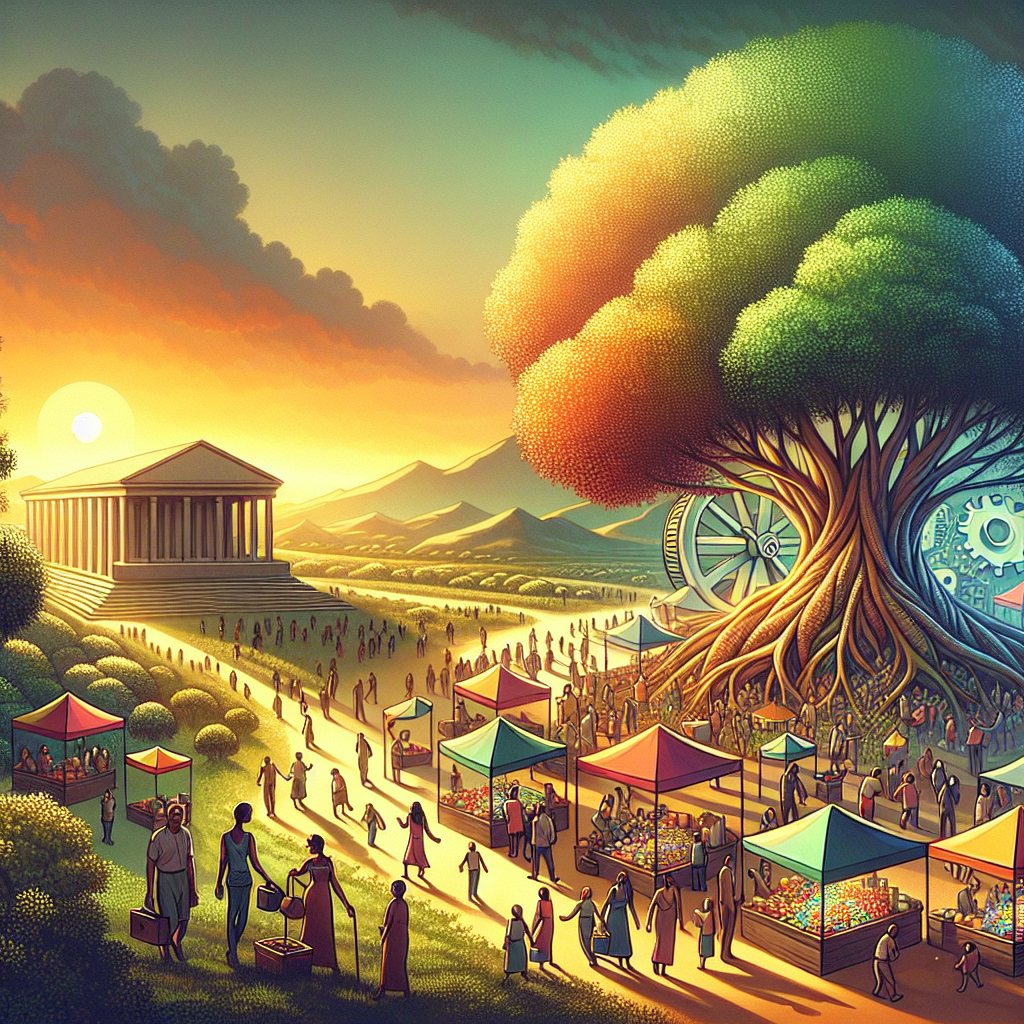
Individual Responsibility and Economic Freedom
Central to conservative thought is the idea of individual responsibility. Conservatives often emphasize the importance of personal initiative and hard work, advocating for a society where individuals are accountable for their actions and decisions.
Economic freedom is another cornerstone of conservative values. By promoting free markets, conservatives believe that economic freedom leads to innovation, job creation, and overall prosperity. They argue that when individuals are free to pursue their economic interests, society as a whole benefits.
Limited Government: A Pillar of Conservatism
Conservatives typically advocate for a limited government, arguing that excessive government intervention can stifle personal freedoms and economic growth. The belief is that a smaller government is more efficient and better equipped to protect individual liberties.
This perspective often leads to a preference for lower taxes and reduced regulation, with the idea that individuals and businesses should retain more of their earnings to spur economic activity. Conservatives argue that a leaner government is better positioned to address the needs of its citizens without overstepping its bounds.
Conservative Values and Social Issues
On social issues, conservatives often hold traditional views, advocating for policies that align with their moral and ethical beliefs. Whether it’s in the realm of education, healthcare, or social services, conservatives tend to prefer solutions that emphasize personal choice and responsibility.
For example, in education, many conservatives support school choice initiatives, believing that parents should have the freedom to choose the best educational environment for their children. Similarly, in healthcare, conservatives often advocate for market-based solutions that empower individuals to make decisions about their own health and well-being.
The Challenges of Conservatism in Modern America
While conservative values have long been a significant force in American politics, they face challenges in the modern era. The rapid pace of cultural and technological change, coupled with shifting demographics, has sparked debates about the relevance and adaptability of traditional conservative principles.
Critics argue that conservatism must evolve to stay relevant, particularly in addressing issues like climate change, social justice, and globalization. However, many conservatives maintain that their core values offer timeless solutions to these challenges, emphasizing the importance of adaptability while staying true to foundational principles.
Conclusion: The Future of Conservative Values
The conversation around conservative values in modern America is complex and multifaceted. While some see these principles as a stabilizing force, others call for adaptation to remain relevant in a rapidly changing world. As America continues to grapple with pressing social, economic, and political issues, the role of conservative values will undoubtedly remain a pivotal part of the national discourse.
FAQs
Q: What are the core principles of conservatism?
A: Conservatism is generally centered around tradition, individual responsibility, limited government, and free markets. These principles aim to preserve established norms and encourage personal accountability.
Q: How do conservative values impact economic policy?
A: Conservatives typically advocate for free markets, minimal government intervention, and lower taxes, believing these policies foster economic growth and innovation.
Q: Are conservative values adaptable to modern challenges?
A: While some argue that conservative values must evolve to address modern issues, many conservatives believe that their core principles provide timeless solutions and can be applied to contemporary challenges with careful consideration.
Q: What role does tradition play in conservative ideology?
A: Tradition is seen as crucial in conservatism, providing stability and continuity. It is believed to convey the wisdom of past generations and maintain a sense of cultural identity.
As the nation continues to evolve, the discussion surrounding conservative values will remain a vital part of understanding America’s political and cultural landscape.



Leave a Reply