
Sexuality and Gender: Understanding the Spectrum
In today’s world, the conversation surrounding sexuality and gender is more prevalent than ever. With increasing awareness and acceptance, it’s essential to understand that both sexuality and gender exist on a spectrum. This blog post aims to delve into these concepts, providing clarity and promoting inclusivity.
Introduction to the Spectrum of Sexuality and Gender
Historically, society often viewed sexuality and gender as binary constructs — male or female, straight or gay. However, this binary perspective is increasingly outdated. Modern understanding recognizes that both sexuality and gender are complex and nuanced, existing on a spectrum rather than as fixed points.
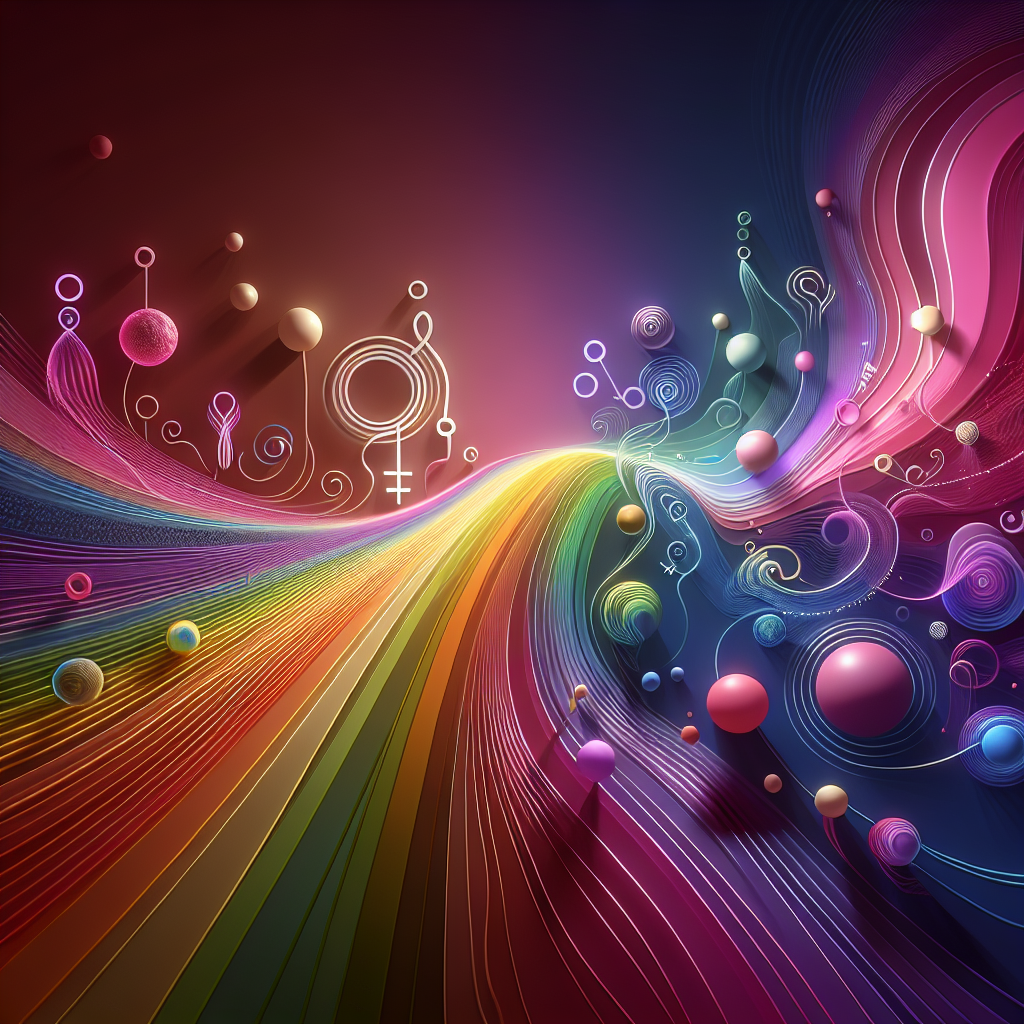
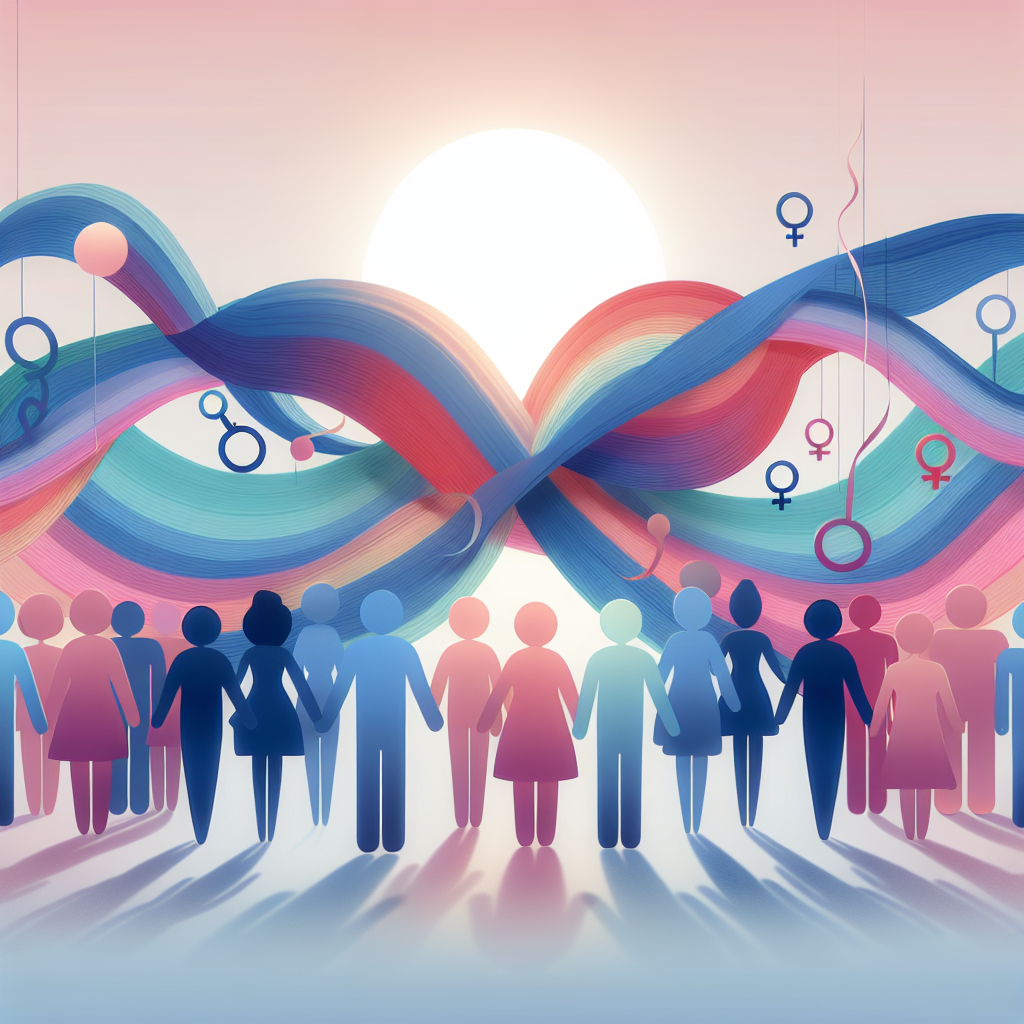
Understanding this spectrum can foster empathy, acceptance, and inclusivity, helping to create a more inclusive society where everyone feels seen and respected.
What is Gender? Exploring Beyond the Binary
Gender is often confused with sex, which refers to the biological attributes such as chromosomes and reproductive organs. Gender, however, is more about the societal roles, behaviors, and identities that a person associates with.
Many people identify as male or female, aligning with traditional gender norms. However, a growing number identify as non-binary, genderqueer, or genderfluid, among other identities. These terms reflect a more personal understanding of gender that may not fit traditional categories.
It’s crucial to respect each individual’s gender identity and understand that this identity can evolve over time as people grow and discover more about themselves.
Understanding the Spectrum of Sexuality
Sexuality, like gender, is not limited to binary categories such as heterosexual or homosexual. Instead, it encompasses a wide range of orientations including bisexuality, pansexuality, asexuality, and many others.
Each of these orientations describes a different pattern of attraction. For instance, pansexual individuals may feel attracted to others regardless of their gender identity, while asexual individuals might experience little to no sexual attraction at all.
Recognizing the spectrum of sexuality allows individuals to express their authentic selves without the constraints of societal expectations.
The Importance of Language in Discussing Gender and Sexuality
Language plays a powerful role in shaping our understanding and acceptance of diverse identities. Using inclusive language helps create a safe space for individuals to express their gender and sexuality freely.
Simple acts, such as asking for someone’s preferred pronouns or using gender-neutral terms, can make a significant difference in making others feel respected and valued.
Challenging Stereotypes and Promoting Inclusivity
Stereotypes about gender and sexuality can be damaging, reinforcing outdated notions and hindering acceptance. Challenging these stereotypes involves educating ourselves and others, questioning our assumptions, and actively promoting diverse representations in media and public discourse.
Inclusivity isn’t just about tolerance; it’s about celebrating diversity and recognizing the unique qualities each person brings to the table.
Conclusion: Embracing the Spectrum
The spectrum of sexuality and gender is vast and complex, reflecting the rich diversity of human experience. By embracing this spectrum, we not only support those around us but also enrich our own understanding of the world.
As society continues to evolve, so too should our perspectives on gender and sexuality. By fostering open conversations and promoting inclusivity, we can build a more accepting and empathetic world for all.
FAQs
What does it mean to be non-binary?
Non-binary is a gender identity that doesn’t fit within the traditional male or female categories. Non-binary individuals may identify as having both genders, neither, or a different gender altogether.
How can I be more supportive of non-binary and transgender individuals?
Being supportive involves respecting people’s chosen names and pronouns, educating yourself on gender diversity, and advocating for inclusive policies and practices in your community.
Is sexuality fluid?
Yes, sexuality can be fluid for some individuals. This means that their sexual orientation may change over time or in different contexts. This fluidity is a normal part of human diversity.
Why is it important to use inclusive language?
Inclusive language acknowledges and respects the diverse identities of individuals, helping to create a more welcoming and supportive environment for everyone.


Leave a Reply