


Public Administration and the Role of Non-Governmental Organizations: Building Bridges for Better Governance
In today’s interconnected world, the traditional boundaries between government and civil society have become increasingly blurred. Public administration, once viewed as the exclusive domain of government agencies, now operates within a complex ecosystem where non-governmental organizations (NGOs) play crucial roles. This partnership between public administrators and NGOs has transformed how we approach governance, service delivery, and social problem-solving.
The relationship between public administration and NGOs represents more than just collaboration – it’s a fundamental shift toward participatory governance that recognizes the unique strengths each sector brings to addressing societal challenges. Understanding this dynamic relationship is essential for anyone interested in effective governance, policy implementation, and social impact.
Understanding the Intersection of Public Administration and NGOs
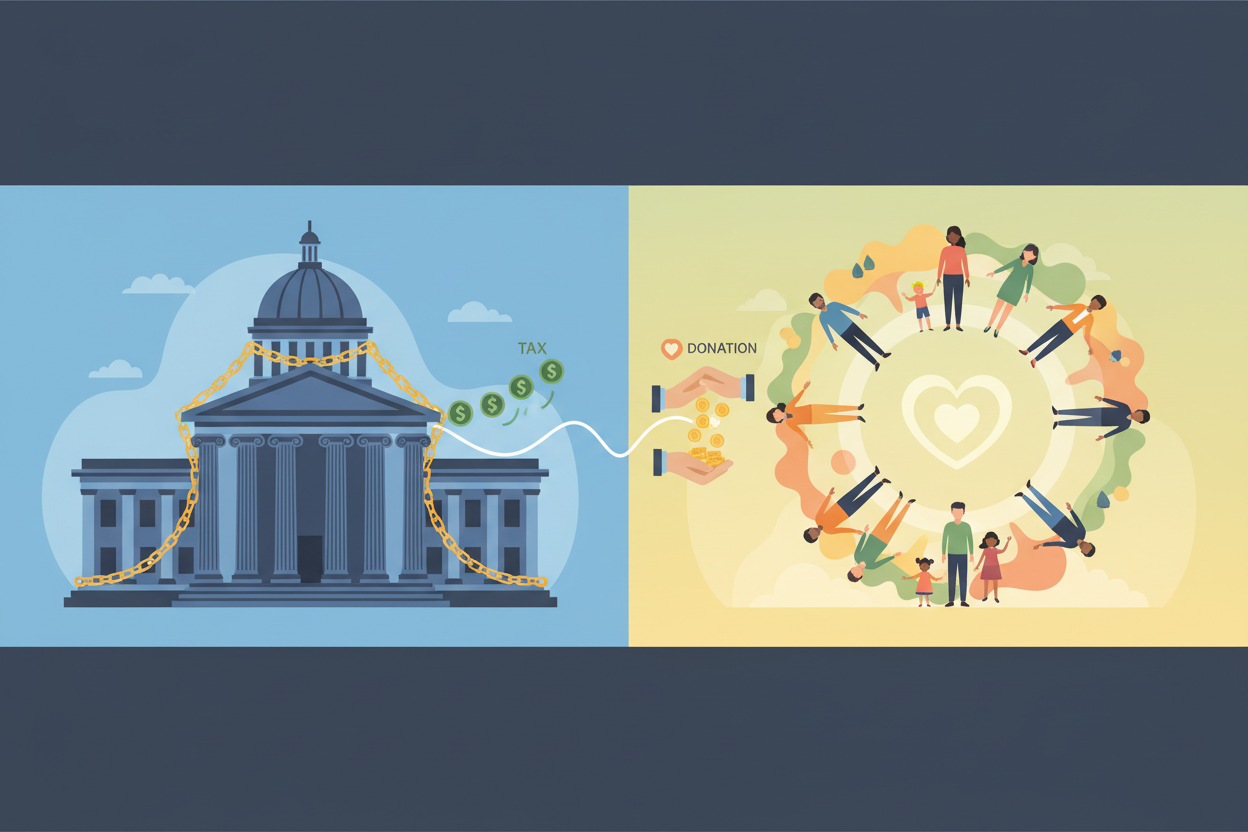
Public administration encompasses the implementation of government policies and the management of public programs and services. It involves everything from delivering social services to maintaining infrastructure and ensuring regulatory compliance. NGOs, on the other hand, are independent organizations that operate without direct government control, typically focusing on specific social, environmental, or humanitarian causes.
The intersection of these two sectors creates a unique space where public goals meet private initiative. This collaboration has evolved significantly over the past few decades, moving from occasional partnerships to systematic integration in many areas of governance. The result is a more nuanced approach to public service delivery that leverages the efficiency of NGOs with the authority and resources of government.
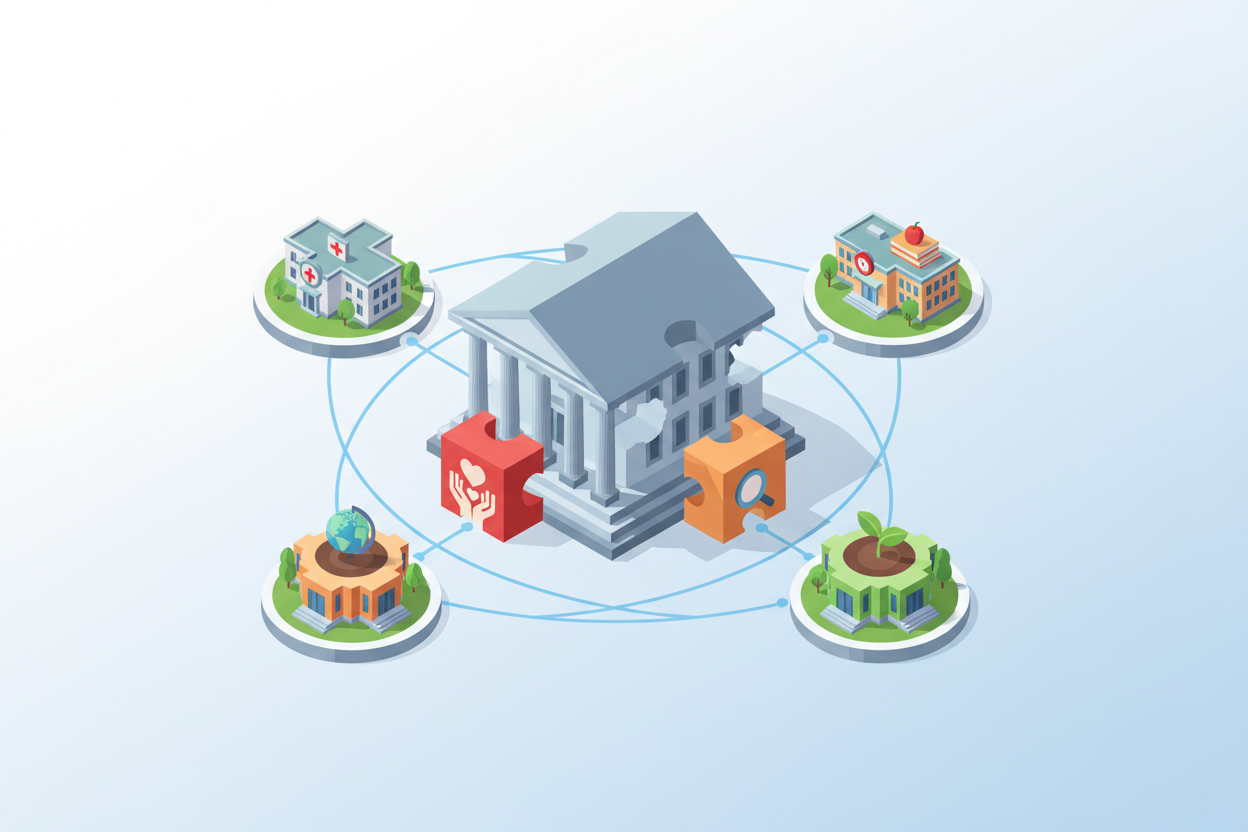
What makes this relationship particularly interesting is how it challenges traditional notions of public versus private sector responsibilities. NGOs often fill gaps in government services while also serving as watchdogs that hold public institutions accountable. This dual role creates both opportunities and tensions that shape modern governance practices.
Key Functions of NGOs in Public Administration
NGOs serve multiple functions within the public administration framework, each contributing to more effective governance outcomes. One of their primary roles is service delivery, particularly in areas where government capacity may be limited or where specialized expertise is required. Many NGOs have developed deep expertise in specific areas such as healthcare, education, or environmental protection, allowing them to deliver services more efficiently than traditional government agencies.
Another critical function is advocacy and policy influence. NGOs often serve as intermediaries between citizens and government, bringing grassroots perspectives to policy discussions and ensuring that marginalized voices are heard in the political process. This advocacy role helps inform better policy decisions and ensures that public administration remains responsive to citizen needs.
NGOs also play a vital monitoring and evaluation role, providing independent oversight of government programs and services. This function is particularly important in maintaining transparency and accountability in public administration. Through research, reporting, and public engagement, NGOs help ensure that public resources are used effectively and that government promises translate into real outcomes.
Innovation is another area where NGOs contribute significantly to public administration. Often more agile than government agencies, NGOs can pilot new approaches, test innovative solutions, and scale successful models. This innovation capacity makes them valuable partners in addressing complex social problems that require creative solutions.
Benefits of NGO-Government Partnerships
The collaboration between NGOs and public administration yields numerous benefits that enhance overall governance effectiveness. One of the most significant advantages is improved service delivery. NGOs often have closer connections to local communities and can deliver services with greater cultural sensitivity and community engagement than traditional government programs.
Cost-effectiveness is another major benefit. NGOs typically operate with lower overhead costs than government agencies and can leverage volunteer labor and donated resources to stretch public dollars further. This efficiency allows governments to achieve greater impact with limited budgets, particularly important in times of fiscal constraint.
Enhanced legitimacy and public trust represent additional benefits of NGO-government partnerships. When citizens see their government working collaboratively with trusted civil society organizations, it can increase confidence in public institutions and democratic processes. This legitimacy is crucial for effective governance and policy implementation.
The partnership also brings specialized expertise to public administration. NGOs often develop deep knowledge in specific sectors or populations, providing insights and capabilities that complement government resources. This specialization allows for more targeted and effective interventions in complex social problems.
Furthermore, NGO involvement can increase citizen participation in governance processes. Through their community connections and advocacy work, NGOs help bridge the gap between government and citizens, facilitating greater democratic participation and more responsive public policies.
Challenges in NGO-Public Administration Relationships
Despite the many benefits, the relationship between NGOs and public administration is not without challenges. One significant issue is the potential for mission drift, where NGOs may alter their focus to align with government funding priorities rather than their original mission. This can compromise the independence and authenticity that make NGOs valuable partners in the first place.
Coordination and accountability present ongoing challenges. With multiple NGOs operating in the same space, ensuring effective coordination and avoiding duplication of efforts requires careful management. Additionally, holding NGOs accountable for public resources while respecting their independence creates complex governance challenges.
Power imbalances can also strain NGO-government relationships. Government agencies typically control funding and regulatory frameworks, which can create dependency relationships that limit NGO autonomy. Smaller NGOs may be particularly vulnerable to these power dynamics, potentially compromising their ability to advocate effectively or maintain their independence.
Cultural and operational differences between sectors can create friction. Government agencies often operate within rigid bureaucratic structures with extensive oversight requirements, while NGOs may prioritize flexibility and rapid response. Bridging these different organizational cultures requires patience and mutual understanding.
Best Practices for Effective Collaboration
Successful NGO-government partnerships require intentional design and ongoing attention to relationship management. Clear communication channels are essential, with regular meetings, shared information systems, and transparent decision-making processes. Both sectors need to understand each other’s constraints, capabilities, and operating procedures.
Establishing clear roles and responsibilities from the outset helps prevent conflicts and ensures accountability. This includes defining who is responsible for what aspects of program implementation, how decisions will be made, and how performance will be measured. Written agreements and memoranda of understanding can formalize these arrangements while maintaining flexibility for adaptation.
Capacity building represents another critical best practice. Government agencies may need to develop skills in partnership management and collaborative governance, while NGOs may need support in areas such as financial management, evaluation, and reporting. Investing in mutual capacity building strengthens the partnership over time.
Regular evaluation and feedback mechanisms help ensure that partnerships remain effective and responsive to changing needs. This includes both formal evaluation processes and informal feedback channels that allow for continuous improvement and adaptation.
Respecting organizational autonomy while pursuing shared goals requires delicate balance. Successful partnerships maintain clear boundaries that protect NGO independence while ensuring alignment with public policy objectives. This balance is crucial for maintaining the unique contributions each sector brings to the relationship.
Future Trends and Implications
The relationship between public administration and NGOs continues to evolve, driven by changing social needs, technological advances, and shifting political landscapes. Digital technology is creating new opportunities for collaboration, from shared data platforms to online citizen engagement tools that NGOs and government can use together.
Climate change and global challenges are pushing both sectors toward more integrated approaches that require sustained collaboration. Issues like pandemic response, environmental protection, and social inequality cannot be addressed effectively by either sector alone, making partnership not just beneficial but essential.
The rise of social entrepreneurship and hybrid organizations is blurring traditional sector boundaries, creating new models for NGO-government collaboration. These innovations suggest that future partnerships may be even more integrated and sophisticated than current arrangements.
Increasing emphasis on evidence-based policy and data-driven decision making is also shaping how NGOs and government work together. Shared measurement systems and collaborative research initiatives are becoming more common, improving the quality of both service delivery and policy development.
Public administration and the role of non-governmental organizations represent a dynamic partnership that continues to reshape governance in the 21st century. While challenges exist, the benefits of collaboration far outweigh the difficulties when partnerships are well-designed and carefully managed. As both sectors continue to evolve, their relationship will likely become even more integrated and essential for addressing complex social challenges.
The future of effective governance lies not in choosing between government and civil society approaches, but in finding innovative ways to combine their unique strengths. By understanding and nurturing these partnerships, we can build more responsive, effective, and democratic systems of public administration that serve all citizens better.
Frequently Asked Questions
What is the main difference between NGOs and government agencies in public administration?
The primary difference lies in their structure and accountability. Government agencies operate under direct political control with formal authority and public funding, while NGOs are independent organizations that rely on private funding and operate with greater flexibility. NGOs often focus on specific causes or populations, whereas government agencies typically have broader mandates.
How do NGOs maintain their independence while working with government?
NGOs maintain independence through diversified funding sources, clear organizational missions, transparent governance structures, and formal agreements that protect their autonomy. Many successful NGOs establish clear boundaries about what they will and won’t do in government partnerships, ensuring their core values and independence remain intact.
What are the most common areas where NGOs and government collaborate?
The most common collaboration areas include healthcare delivery, education services, disaster response, environmental protection, social services for vulnerable populations, and community development. These sectors benefit from combining government resources and authority with NGO expertise and community connections.
How can citizens benefit from NGO-government partnerships?
Citizens benefit through improved service delivery, increased access to specialized services, greater transparency and accountability in government programs, enhanced opportunities for civic participation, and more responsive public policies that reflect community needs and concerns.
What should governments consider when selecting NGO partners?
Governments should evaluate potential NGO partners based on their track record, financial stability, organizational capacity, alignment with public goals, community credibility, and ability to deliver results. Transparency, accountability mechanisms, and cultural fit with government operations are also important considerations.



Leave a Reply