
Democrats and the Green New Deal: Environmental Policy for the Future
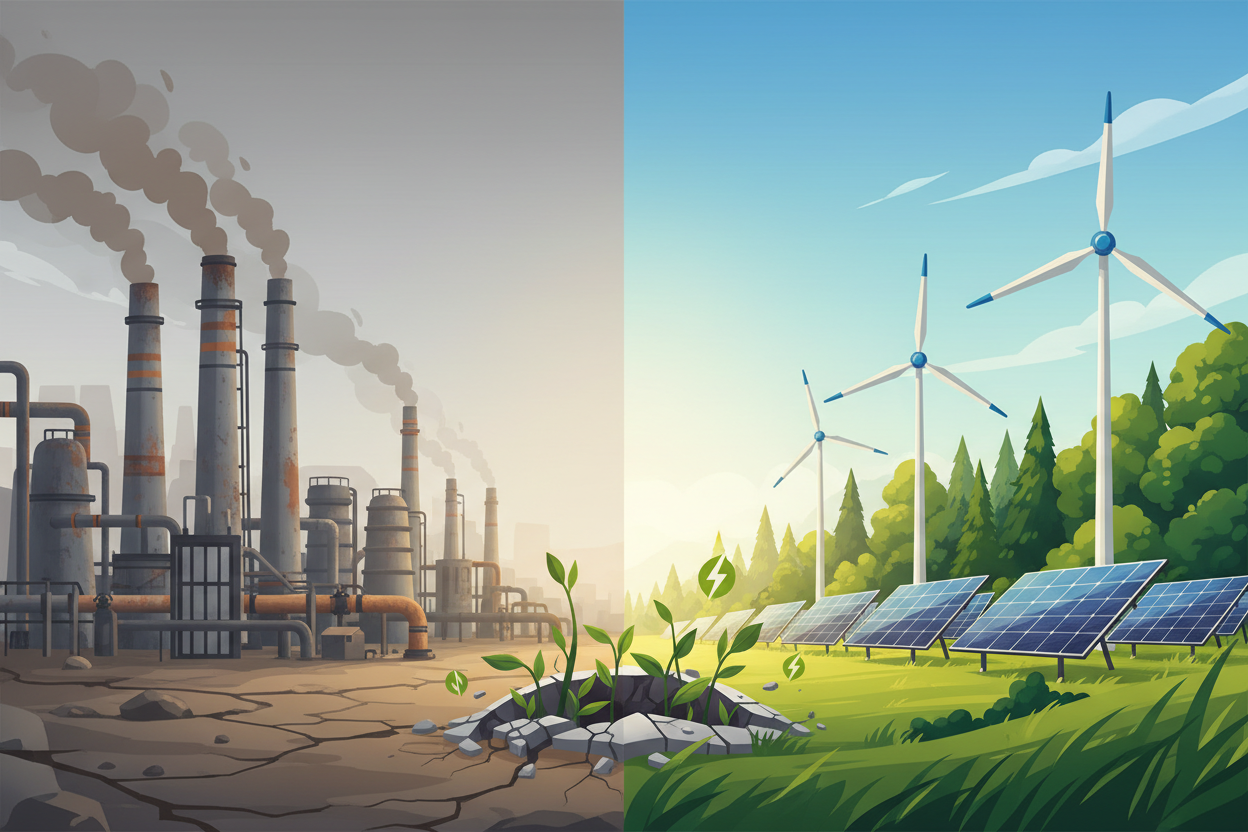
Climate change isn’t just knocking at our door anymore—it’s practically moved in and rearranged the furniture. From record-breaking heatwaves to unprecedented flooding, the environmental challenges we face today demand bold, comprehensive solutions. Enter the Green New Deal, a sweeping environmental policy framework that has become a cornerstone of Democratic climate strategy. But what exactly is this ambitious plan, and how might it shape America’s environmental future?
The Green New Deal represents more than just another policy proposal; it’s a vision for transforming how we think about environmental protection, economic growth, and social justice. As we stand at this critical crossroads in our planet’s history, understanding the Democratic approach to environmental policy has never been more important for voters, policymakers, and anyone who cares about the world we’re leaving for future generations.
Understanding the Green New Deal Framework
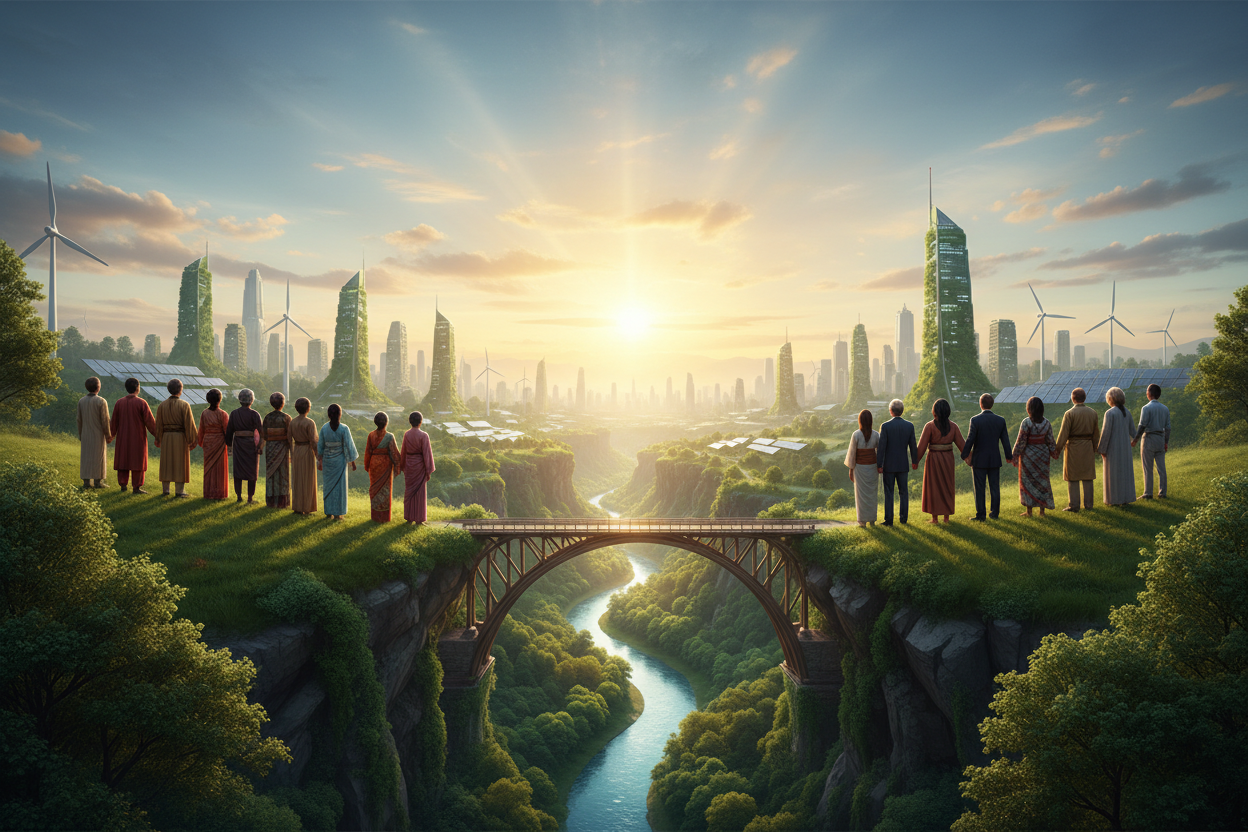
The Green New Deal burst onto the political scene in 2019, introduced by Representative Alexandria Ocasio-Cortez and Senator Ed Markey. Drawing inspiration from Franklin D. Roosevelt’s New Deal of the 1930s, this modern environmental framework aims to tackle climate change with the same urgency and scale that the original New Deal addressed the Great Depression.
At its core, the Green New Deal is built on two fundamental pillars: achieving net-zero greenhouse gas emissions and creating millions of well-paying jobs in the clean energy sector. It’s not just about switching to solar panels and wind turbines—though that’s certainly part of it. The plan envisions a complete transformation of America’s energy infrastructure, transportation systems, and even our buildings.
What sets the Green New Deal apart from traditional environmental policies is its holistic approach. Rather than treating climate change as an isolated issue, it connects environmental protection to economic opportunity, social justice, and national security. This interconnected thinking reflects a growing understanding that environmental challenges can’t be solved in a vacuum—they require comprehensive solutions that address multiple societal needs simultaneously.
Key Democratic Environmental Policy Goals
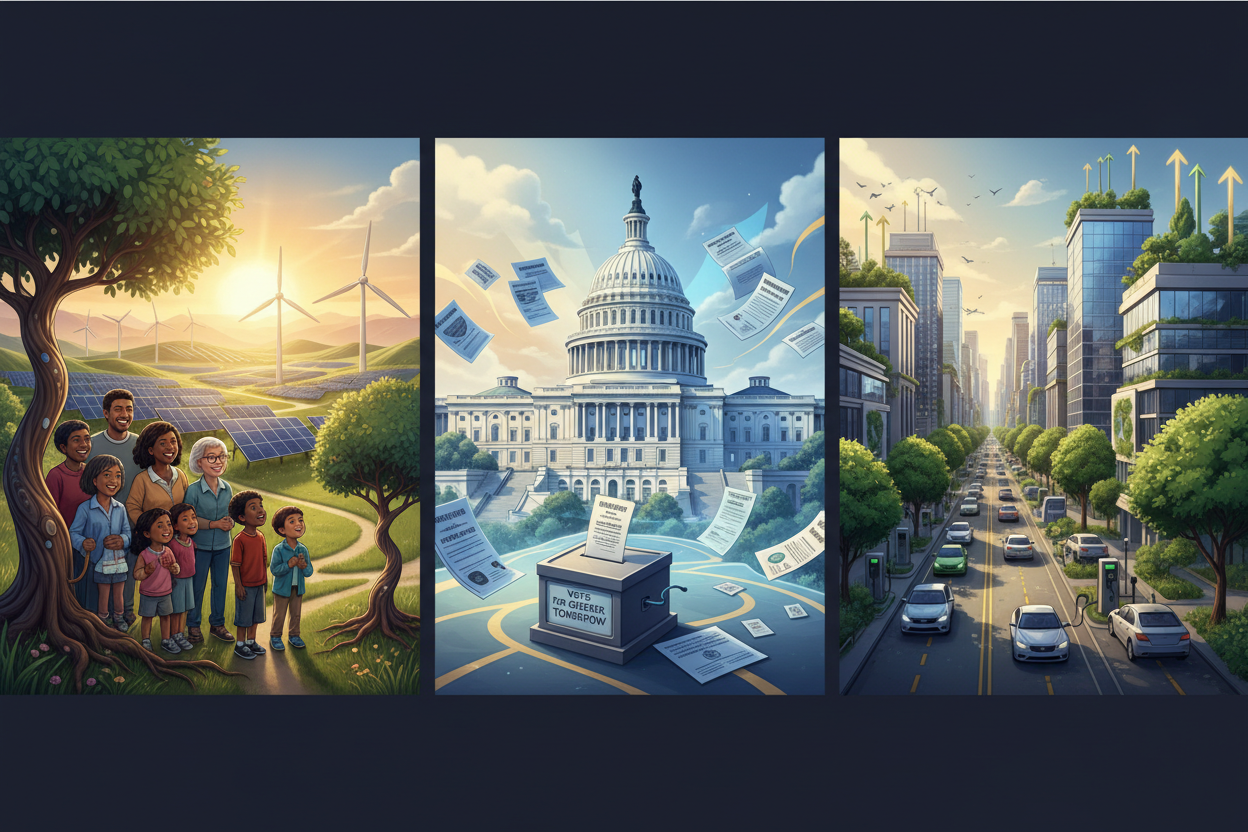
Democratic environmental policy under the Green New Deal framework encompasses several ambitious targets that would fundamentally reshape America’s relationship with the environment. The most headline-grabbing goal is achieving net-zero carbon emissions by 2030—a timeline that many scientists say is necessary to avoid the most catastrophic effects of climate change.
But the goals extend far beyond carbon reduction. Democrats envision a complete transition to renewable energy sources, with the aim of making the United States a global leader in clean technology. This includes massive investments in solar, wind, and other renewable energy infrastructure, as well as research into emerging technologies like green hydrogen and advanced battery storage.
Transportation represents another major focus area. Democratic environmental policy calls for widespread adoption of electric vehicles, expansion of public transportation networks, and investment in high-speed rail systems. The goal isn’t just to reduce emissions from transportation—which currently accounts for about 29% of U.S. greenhouse gas emissions—but to create more efficient, equitable transportation options for all Americans.
Building efficiency and retrofitting also play crucial roles in Democratic environmental strategy. The plan calls for upgrading millions of homes and commercial buildings to improve energy efficiency, reduce costs for consumers, and create jobs in the construction and engineering sectors. It’s the kind of win-win scenario that environmental policy advocates dream about: reducing emissions while putting money back in people’s pockets.
Economic Implications and Job Creation
One of the most compelling aspects of Democratic environmental policy is its emphasis on economic opportunity. Critics often frame environmental protection as a job killer, but the Green New Deal flips this narrative on its head. Instead of viewing environmental action as economically costly, Democrats present it as the greatest economic opportunity of our generation.
The numbers are genuinely impressive. Estimates suggest that implementing Green New Deal policies could create anywhere from 10 to 20 million new jobs across various sectors. These aren’t just any jobs—they’re often well-paying positions in growing industries like renewable energy installation, energy efficiency retrofitting, and environmental restoration.
Consider the solar industry, which has been one of the fastest-growing job sectors in America for several years running. Solar installers, wind turbine technicians, and energy efficiency specialists often earn middle-class wages without requiring four-year college degrees. For many communities that have been left behind by economic changes, these green jobs represent a pathway to prosperity.
The economic benefits extend beyond direct job creation. Investing in renewable energy and energy efficiency can reduce long-term energy costs for consumers and businesses. When families spend less on electricity and heating bills, they have more money to spend on other goods and services, creating a positive economic ripple effect throughout their communities.
However, Democrats also acknowledge that the transition won’t be without challenges. Coal miners, oil and gas workers, and others in traditional energy industries may face job displacement. That’s why Democratic environmental policy includes provisions for “just transition” programs—initiatives designed to retrain workers and support communities that depend on fossil fuel industries.
Climate Justice and Social Equity
Perhaps no aspect of Democratic environmental policy is more distinctive than its focus on environmental justice. The Green New Deal explicitly recognizes that climate change and environmental degradation don’t affect all communities equally. Low-income communities and communities of color often bear a disproportionate burden of pollution and are more vulnerable to climate impacts like flooding, extreme heat, and poor air quality.
This recognition has led Democrats to embed social equity principles throughout their environmental policy framework. The goal isn’t just to reduce overall emissions, but to ensure that the benefits of environmental protection flow to the communities that need them most. This might mean prioritizing renewable energy projects in disadvantaged communities, ensuring that green jobs are accessible to workers of all backgrounds, or investing in environmental cleanup efforts in historically polluted areas.
The concept of climate justice also extends to global considerations. Democratic environmental policy recognizes that the United States has historically been one of the world’s largest greenhouse gas emitters, and therefore has a responsibility to lead global climate action. This includes not only reducing domestic emissions but also providing climate finance and technology transfer to help developing countries transition to clean energy.
For many Democratic voters, this justice-oriented approach to environmental policy is what makes the Green New Deal so compelling. It’s not just about protecting polar bears or preserving pristine wilderness areas—though those things matter too. It’s about creating a more equitable society where everyone has access to clean air, clean water, and economic opportunity.
Challenges and Criticisms
No policy proposal as ambitious as the Green New Deal comes without its share of challenges and criticisms. Even among Democrats, there are debates about the feasibility of some goals, the timeline for implementation, and the best strategies for achieving environmental objectives.
The most common criticism centers on cost. Implementing the Green New Deal would require massive federal investment—estimates range from several trillion to tens of trillions of dollars over the next decade. Critics argue that such spending could lead to unsustainable debt levels or require significant tax increases. Republicans have seized on these cost estimates to argue that the Green New Deal is economically irresponsible.
Democrats respond that the cost of inaction on climate change would be far higher than the cost of action. They point to economic damage from extreme weather events, health costs from air pollution, and the competitive disadvantage America faces if it falls behind in the clean energy race. Many economists agree that the long-term economic benefits of climate action outweigh the upfront costs.
Another challenge involves political feasibility. Even with Democratic control of government, passing comprehensive climate legislation requires navigating complex political dynamics. Some moderate Democrats worry that the Green New Deal’s ambitious scope could make it difficult to build the broad coalitions necessary for passage. They often prefer more incremental approaches that might be easier to implement but potentially less effective at addressing the scale of the climate challenge.
Technical challenges also exist. Transitioning to 100% renewable energy by 2030 would require not only massive infrastructure investments but also breakthroughs in energy storage, grid management, and other technologies. While many experts believe these challenges are surmountable, they acknowledge that the timeline is aggressive and would require unprecedented coordination between government, industry, and communities.
Implementation Strategies and Timeline
Turning the Green New Deal from vision to reality requires careful planning and strategic implementation. Democrats have proposed various approaches for achieving their environmental policy goals, recognizing that different strategies may be needed for different sectors and regions.
Federal investment and incentives form the backbone of most Democratic implementation strategies. This includes direct government spending on infrastructure projects, tax credits for renewable energy development, and grants for research and development. The Infrastructure Investment and Jobs Act passed in 2021 provides a preview of this approach, with billions of dollars allocated for electric vehicle charging networks, clean energy research, and environmental remediation.
Regulatory approaches also play a crucial role. Democrats support strengthening environmental regulations, setting stricter emissions standards for vehicles and power plants, and requiring disclosure of climate risks by corporations. These regulatory tools can drive private sector action even without direct government spending.
State and local partnerships are essential for successful implementation. Many Democratic governors and mayors have already begun implementing Green New Deal-style policies at the state and local level. California’s aggressive climate policies, New York’s Climate Leadership and Community Protection Act, and city-level initiatives like Boston’s Green New Deal all provide models for broader implementation.
The timeline for implementation varies depending on the specific policy area. Some changes, like expanding tax credits for renewable energy, can be implemented relatively quickly through congressional action. Others, like retrofitting millions of buildings or transforming the transportation system, will require sustained effort over many years.
Future Outlook and Political Prospects
The future of Democratic environmental policy and the Green New Deal depends largely on political developments in the coming years. While comprehensive Green New Deal legislation hasn’t been passed at the federal level, many of its core ideas have gained mainstream acceptance within the Democratic Party and influenced policy discussions nationwide.
Public opinion trends suggest growing support for aggressive climate action. Younger voters, in particular, consistently rank climate change as a top priority and support policies like the Green New Deal at higher rates than older generations. As these voters become a larger share of the electorate, their preferences are likely to shape Democratic environmental policy for years to come.
Technological developments also influence the political prospects for Democratic environmental policy. As renewable energy costs continue to fall and electric vehicles become more affordable and practical, policies that once seemed economically risky may become more politically feasible. The rapid growth of the clean energy sector provides real-world evidence that environmental protection and economic growth can go hand in hand.
International developments add another layer of complexity and opportunity. As countries around the world implement their own versions of green recovery policies and carbon pricing mechanisms, the United States faces pressure to keep pace. The European Union’s Green Deal, China’s massive investments in renewable energy, and commitments made at international climate conferences all influence the domestic political environment for climate action.
Looking ahead, Democratic environmental policy will likely continue evolving as new challenges emerge and new solutions become available. The core principles of the Green New Deal—rapid decarbonization, economic opportunity, and social equity—seem likely to remain central to Democratic thinking about environmental policy, even as specific proposals and timelines may change.
Conclusion
The Green New Deal represents a fundamental shift in how Democrats approach environmental policy, moving beyond traditional conservation efforts to embrace a comprehensive vision that connects climate action to economic opportunity and social justice. While the path from policy proposal to implementation remains challenging, the framework has already succeeded in reshaping national conversations about climate change and environmental protection.
Whether you’re a passionate environmentalist, a concerned parent thinking about your children’s future, or simply someone trying to understand the political landscape, the Democratic approach to environmental policy offers important insights into how America might address one of the defining challenges of our time. The stakes couldn’t be higher, and the choices we make in the coming years will shape not just our environment, but our economy and society for generations to come.
As we move forward, the success of Democratic environmental policy will depend not just on political victories, but on our collective ability to imagine and build a more sustainable, equitable future. The Green New Deal may be a Democratic proposal, but the environmental challenges it seeks to address affect us all, regardless of party affiliation. Finding common ground on climate action may be one of the most important tasks facing American politics in the years ahead.
Frequently Asked Questions
What exactly is the Green New Deal?
The Green New Deal is a comprehensive policy framework introduced by Democrats that aims to address climate change through massive investments in clean energy, job creation, and social equity. It calls for achieving net-zero greenhouse gas emissions by 2030 while creating millions of well-paying jobs in the green economy.
How much would the Green New Deal cost?
Cost estimates vary widely, ranging from several trillion to tens of trillions of dollars over a decade. Supporters argue that the long-term economic benefits and avoided climate damages would outweigh these upfront investments, while critics question the fiscal sustainability of such massive spending.
Would the Green New Deal eliminate all fossil fuel jobs?
The Green New Deal includes provisions for “just transition” programs designed to retrain workers and support communities dependent on fossil fuel industries. The goal is to create more clean energy jobs than are lost in traditional energy sectors, though the transition would require careful planning and support for affected workers.
Is the Green New Deal only supported by progressive Democrats?
While the Green New Deal was introduced by progressive Democrats, many of its core ideas have gained broader support within the Democratic Party. However, some moderate Democrats prefer more incremental approaches to climate action, and there are ongoing debates about specific policies and timelines.
What’s the difference between the Green New Deal and traditional environmental policies?
Traditional environmental policies often focus on specific issues like air pollution or habitat protection. The Green New Deal takes a more comprehensive approach, connecting environmental protection to economic policy, social justice, and job creation. It also operates on a much larger scale and with more aggressive timelines than most previous environmental initiatives.
How does climate justice fit into Democratic environmental policy?
Climate justice recognizes that environmental problems disproportionately affect low-income communities and communities of color. Democratic environmental policy aims to ensure that the benefits of climate action flow to these historically disadvantaged communities through targeted investments, job opportunities, and environmental cleanup efforts.



Leave a Reply