

The Role of Activism in Advancing Civil Rights: How Grassroots Movements Shape Social Justice
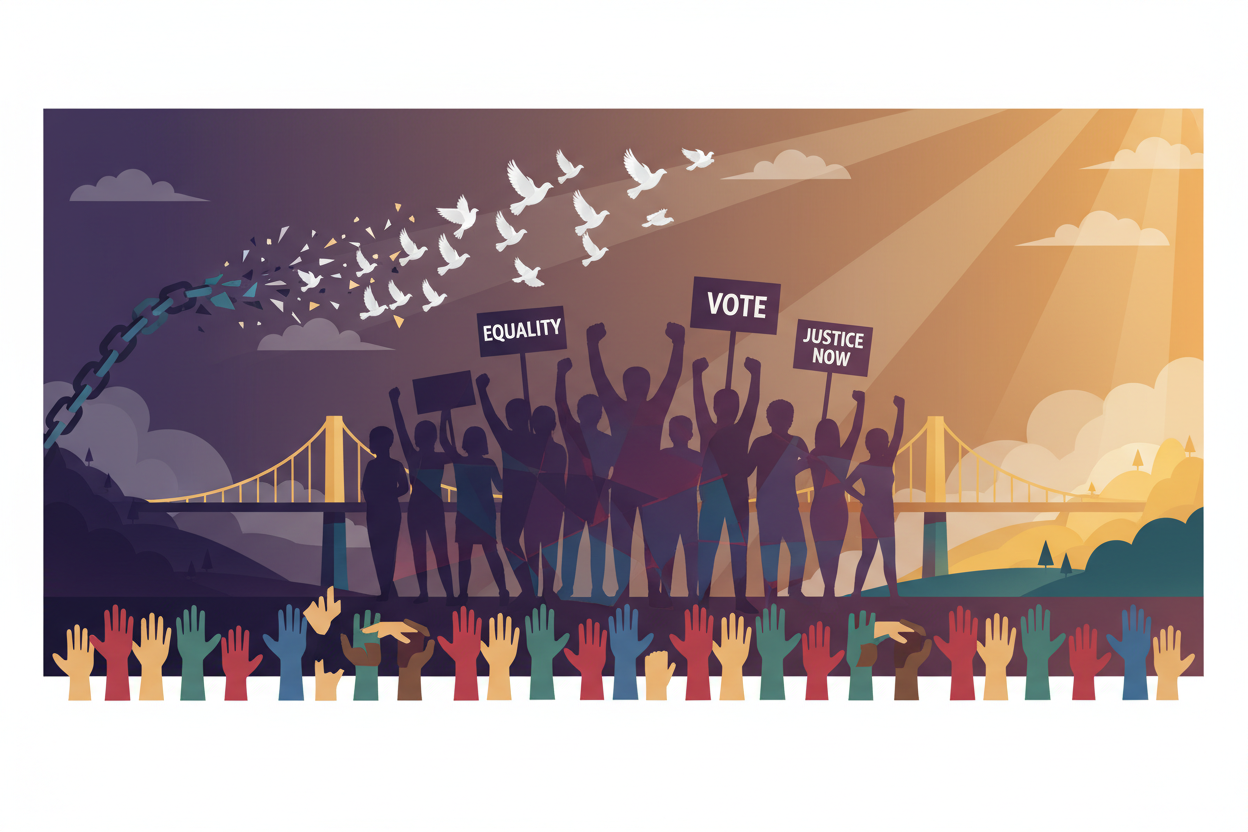
Throughout history, the fight for civil rights has never been won from the comfort of boardrooms or through passive hope alone. Real change has emerged from the streets, from ordinary people who decided they’d had enough of injustice, and from activists who refused to accept the status quo. The role of activism in advancing civil rights represents one of humanity’s most powerful forces for social transformation, demonstrating time and again that collective action can move mountains of institutional resistance.
When we examine the landscape of civil rights progress, we see a tapestry woven by countless acts of courage, protest, and organized resistance. From the suffragettes who chained themselves to the White House gates to the freedom riders who risked their lives on segregated buses, activism has been the engine driving society toward greater equality and justice.
Understanding Civil Rights Activism: More Than Just Protests
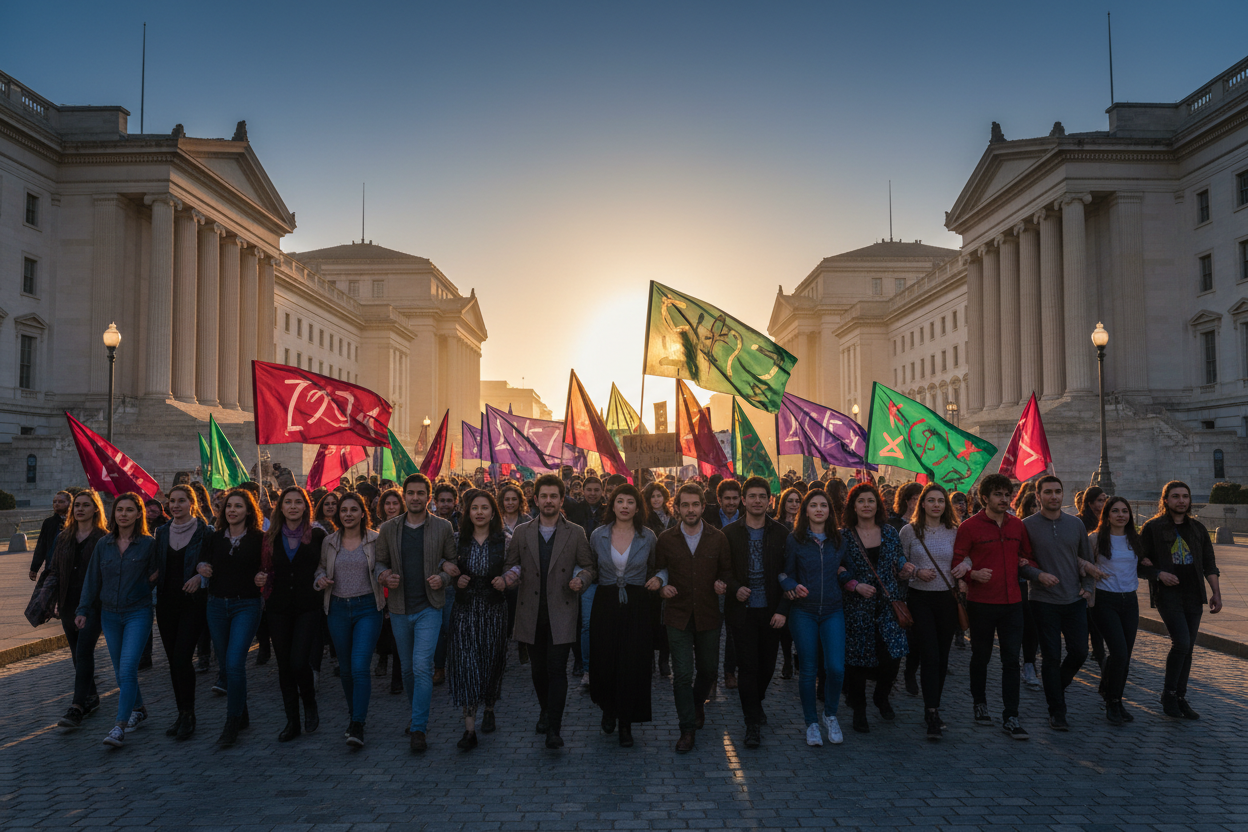
Civil rights activism encompasses far more than the dramatic images of protests and demonstrations that often dominate our historical memory. While these visible acts of resistance capture public attention and galvanize support, the foundation of effective activism lies in sustained organizational efforts, community building, and strategic planning.
At its core, civil rights activism involves organized efforts to secure equal treatment and eliminate discrimination based on characteristics like race, gender, religion, sexual orientation, or disability status. This work takes many forms: legal challenges that test discriminatory laws, educational campaigns that shift public opinion, economic boycotts that pressure institutions to change, and grassroots organizing that builds power within affected communities.

The most successful civil rights movements have combined multiple tactics, understanding that lasting change requires both immediate pressure and long-term institution building. They’ve recognized that while a single protest might capture headlines, sustained activism creates the political and social conditions necessary for meaningful reform.
Historical Milestones: When Activism Changed Everything
The American Civil Rights Movement of the 1950s and 1960s stands as perhaps the most studied example of how activism can transform society. The Montgomery Bus Boycott, sparked by Rosa Parks’ refusal to give up her seat, demonstrated the economic power of organized resistance. For 381 days, African Americans in Montgomery walked to work, organized carpools, and maintained their boycott until the Supreme Court ruled bus segregation unconstitutional.
This victory didn’t happen overnight or by accident. It required meticulous planning by activists like E.D. Nixon and Jo Ann Robinson, who had been preparing for such a moment for years. The Women’s Political Council had already mapped out boycott routes and identified alternative transportation methods. When Parks was arrested, they were ready to act.
Similarly, the lunch counter sit-ins that began in Greensboro, North Carolina, in 1960 showed how student activism could challenge segregation directly. Four African American college students sat at a whites-only Woolworth’s lunch counter and refused to leave. Their action inspired similar protests across the South, demonstrating how individual acts of courage could spark widespread movements.
The women’s suffrage movement provides another powerful example of how persistent activism eventually breaks through seemingly insurmountable barriers. For over 70 years, suffragettes employed every tool available: lobbying legislators, organizing parades, picketing the White House, and even engaging in hunger strikes while imprisoned. Their varied tactics kept the issue in the public eye and gradually built the political pressure necessary to pass the 19th Amendment.
Modern Activism: Digital Age Strategies and Global Movements
Today’s civil rights activists operate in a fundamentally different landscape than their predecessors, leveraging digital technologies to organize, communicate, and amplify their messages. Social media platforms have democratized activism, allowing grassroots movements to bypass traditional gatekeepers and reach massive audiences directly.
The Black Lives Matter movement exemplifies this new model of activism. Founded in 2013 by Alicia Garza, Patrisse Cullors, and Opal Tometi, BLM began as a social media hashtag but quickly evolved into a decentralized network of activists working to combat police brutality and systemic racism. The movement’s ability to rapidly organize protests, share information, and build solidarity across geographic boundaries demonstrates the power of digital organizing tools.
Climate activism has also embraced digital strategies while maintaining traditional organizing methods. Greta Thunberg’s school strike movement began with a single teenager protesting outside the Swedish Parliament but spread globally through social media, inspiring millions of young people to demand action on climate change. The movement combines online organizing with offline action, using digital tools to coordinate simultaneous protests across multiple continents.
The Me Too movement, started by Tarana Burke in 2006 and amplified by Alyssa Milano in 2017, shows how digital activism can break silences around previously taboo subjects. By providing a platform for survivors to share their experiences, the movement has fundamentally changed conversations about sexual harassment and assault, leading to policy changes in workplaces, schools, and government institutions.
Challenges Facing Contemporary Civil Rights Activists
While modern activists have access to powerful new tools, they also face unique challenges that earlier generations didn’t encounter. Digital surveillance capabilities allow governments and corporations to monitor activist communications and activities in unprecedented ways. Social media platforms can amplify activist messages, but they can also be used to spread disinformation and coordinate counter-movements.
The speed of digital communication creates both opportunities and pitfalls. Viral campaigns can mobilize massive support quickly, but they can also lead to superficial engagement that doesn’t translate into sustained organizing. The challenge for contemporary activists lies in converting online attention into offline action and building lasting institutions that can sustain movements beyond individual moments of crisis.
Economic inequality poses another significant challenge for modern civil rights activism. As wealth becomes increasingly concentrated, those with economic power have greater ability to influence political outcomes and resist change. Activists must find ways to build power that can compete with well-funded opposition forces.
Additionally, the globalization of civil rights issues means that activists must often work across national boundaries to address problems that transcend local jurisdictions. Human trafficking, climate change, and economic inequality require international coordination that can be difficult to achieve and maintain.
The Psychology of Social Change: How Activism Shifts Public Opinion
Understanding how activism creates social change requires examining the psychological mechanisms through which movements shift public opinion and political behavior. Successful civil rights campaigns don’t just demand change; they make the status quo feel unstable and unjust to previously neutral observers.
Research in social psychology shows that exposure to peaceful protests can increase support for activist causes, even among people who initially disagreed with the movement’s goals. This happens because protests make abstract issues concrete and personal, forcing observers to confront injustices they might otherwise ignore or rationalize.
The concept of the “radical flank effect” helps explain how different types of activism work together to create change. More militant or confrontational activists can make moderate reformers appear reasonable by comparison, expanding the range of acceptable policy options. This dynamic played out during the Civil Rights Movement, where the perceived extremism of groups like the Black Panthers made the demands of mainstream civil rights organizations seem more palatable to white audiences.
Successful movements also understand the importance of narrative and framing. They don’t just protest against existing conditions; they articulate compelling visions of what society could become. Martin Luther King Jr.’s “I Have a Dream” speech remains powerful precisely because it painted a picture of racial harmony that Americans could aspire to achieve.
Building Sustainable Movements: Lessons from Successful Campaigns
The most effective civil rights movements share certain characteristics that contribute to their long-term success. They build broad coalitions that extend beyond the communities most directly affected by injustice, recognizing that sustainable change requires widespread support. The marriage equality movement succeeded partly because it convinced straight allies that LGBTQ+ rights were a matter of basic fairness that affected everyone.
Successful movements also invest in leadership development, ensuring that they have deep benches of skilled organizers who can sustain campaigns over time. They create multiple pathways for participation, allowing people with different skills, resources, and comfort levels to contribute meaningfully to the cause.
Strategic thinking distinguishes effective activism from mere protest. The most successful campaigns identify specific, achievable goals and develop theories of change that connect their tactics to desired outcomes. They understand that different moments require different approaches and remain flexible enough to adapt their strategies as conditions change.
Perhaps most importantly, sustainable movements build institutions that can outlast individual campaigns. They create organizations, networks, and resources that persist between moments of high visibility, ensuring that progress continues even when public attention moves elsewhere.
The Future of Civil Rights Activism
As we look toward the future, civil rights activism faces both unprecedented challenges and remarkable opportunities. Artificial intelligence and automation threaten to exacerbate existing inequalities while creating new forms of discrimination that activists will need to address. At the same time, global connectivity enables new forms of solidarity and coordination that can make movements more powerful than ever before.
The next generation of civil rights activists will likely need to become more sophisticated in their understanding of technology, economics, and global systems. They’ll need to build movements that can operate effectively across multiple scales simultaneously, from local communities to international networks.
Climate change will increasingly shape the context for all civil rights work, as environmental degradation disproportionately affects marginalized communities and creates new sources of displacement and conflict. Future activists will need to integrate environmental justice into broader civil rights frameworks.
Despite these challenges, the fundamental role of activism in advancing civil rights remains unchanged. Progress still requires ordinary people willing to take extraordinary risks to challenge injustice. It still demands sustained organizing, strategic thinking, and the courage to imagine better possibilities for human society.
Conclusion: The Continuing Power of Collective Action
The role of activism in advancing civil rights cannot be overstated. From the abolitionists who fought slavery to contemporary movements for racial justice, LGBTQ+ equality, and immigrant rights, activists have consistently served as the catalysts for social progress. They’ve demonstrated that change is possible when people organize, persist, and refuse to accept injustice as inevitable.
The history of civil rights activism teaches us that progress is neither automatic nor permanent. Each generation must recommit to the work of building a more just society, adapting their tactics to new challenges while maintaining the fundamental commitment to human dignity and equality that drives all successful movements.
As we face contemporary challenges around racial justice, economic inequality, climate change, and democratic participation, we can draw inspiration and guidance from the activists who came before us. Their examples remind us that ordinary people, working together with courage and strategic vision, possess the power to transform society in ways that once seemed impossible.
The future of civil rights depends not on waiting for leaders to emerge or institutions to change themselves, but on each of us deciding to become part of the solution. The role of activism in advancing civil rights continues because injustice persists, but so does the human capacity for solidarity, resistance, and hope.
Frequently Asked Questions
What is the difference between civil rights activism and other forms of social activism?
Civil rights activism specifically focuses on securing equal treatment and eliminating discrimination based on protected characteristics like race, gender, religion, or sexual orientation. While it overlaps with other forms of activism, civil rights work is distinguished by its emphasis on legal equality and constitutional protections.
How can individuals get involved in civil rights activism today?
There are many ways to participate, from volunteering with established organizations to attending protests, contacting elected officials, donating to civil rights causes, or simply educating yourself and others about important issues. The key is finding an approach that matches your skills, resources, and comfort level.
Has social media made activism more or less effective?
Social media has created both opportunities and challenges for activists. It enables rapid mobilization and global connectivity but can also lead to superficial engagement and increased surveillance. The most effective contemporary movements combine digital tools with traditional organizing methods.
Why do some civil rights movements succeed while others fail?
Successful movements typically combine clear goals, strategic thinking, broad coalitions, sustained organizing, and favorable political conditions. They also adapt their tactics to changing circumstances and build institutions that can persist over time.
What role do allies play in civil rights movements?
Allies from privileged groups can provide crucial resources, political access, and moral credibility to civil rights movements. However, effective allyship requires following the leadership of affected communities rather than trying to control or redirect movements.
How do activists measure the success of their campaigns?
Success can be measured in various ways: changes in laws or policies, shifts in public opinion, increased political representation, improved material conditions for affected communities, or the building of organizational capacity for future campaigns. Different movements may prioritize different types of outcomes.