Tech Solutions for a More Productive Lifestyle: Transform Your Daily Routine
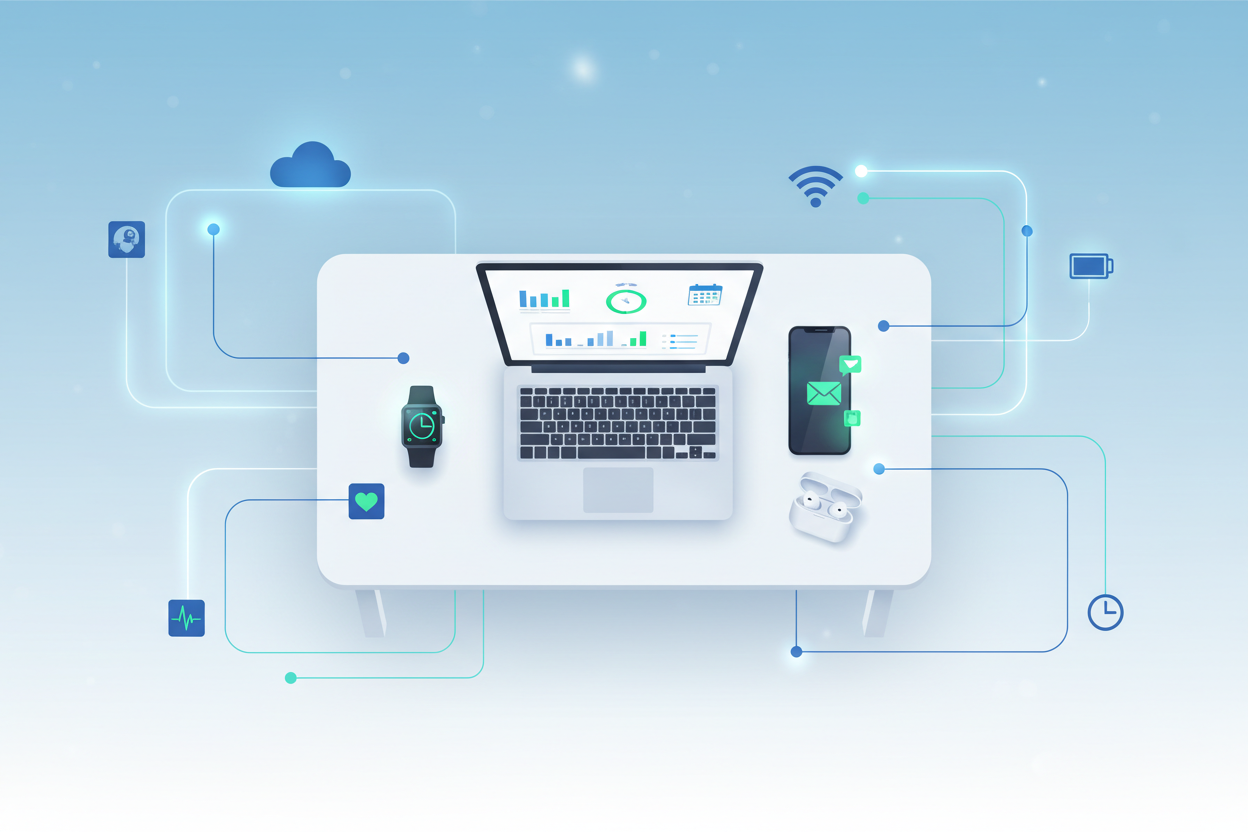
In today’s fast-paced world, finding ways to maximize productivity has become essential for both personal and professional success. Technology, when used strategically, can be your greatest ally in creating a more efficient and fulfilling lifestyle. From streamlining daily tasks to enhancing focus and organization, the right tech solutions can revolutionize how you approach your day-to-day activities.
Gone are the days when productivity meant simply working harder or longer hours. Modern technology offers intelligent solutions that work smarter, not harder. Whether you’re a busy professional juggling multiple projects, a student managing coursework and extracurriculars, or someone looking to optimize their personal life, there’s a tech solution designed to meet your specific needs.
Digital Organization Tools That Actually Work
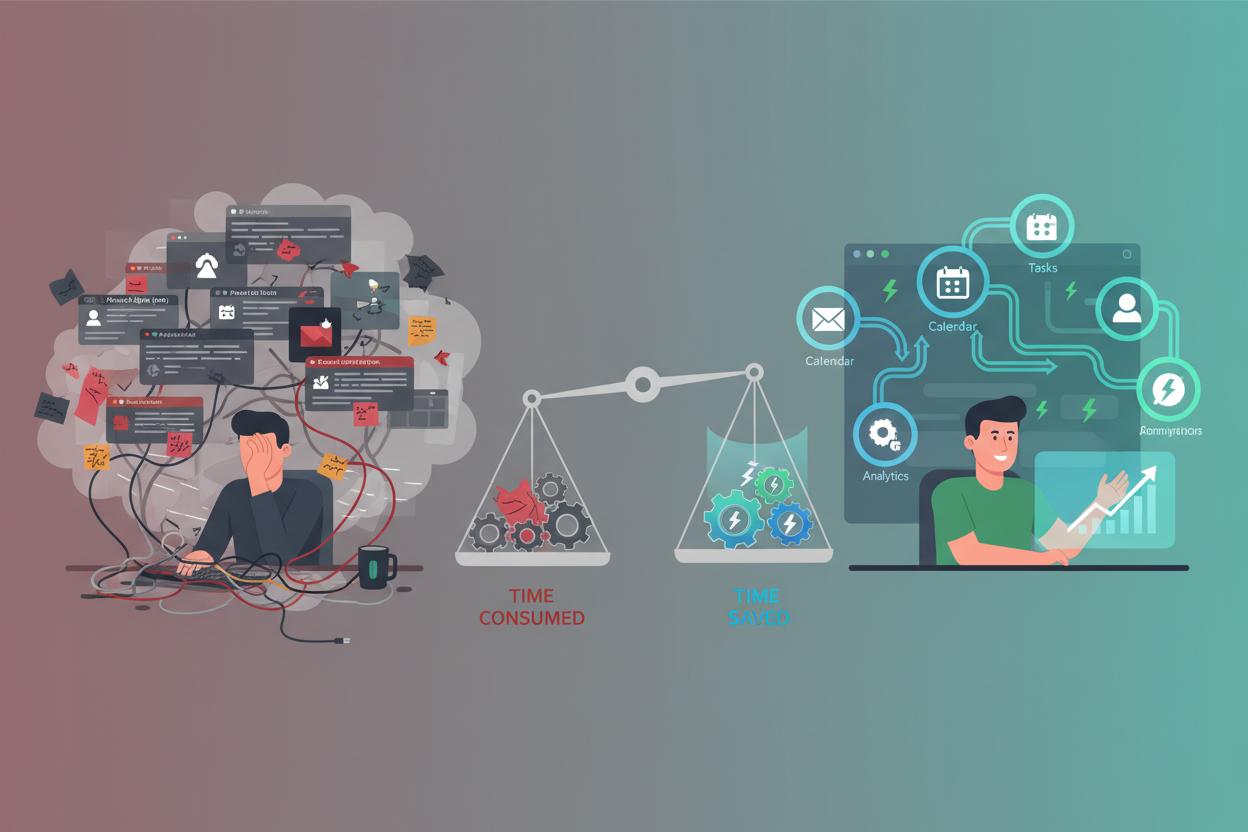
The foundation of any productive lifestyle starts with organization, and digital tools have transformed how we manage information and tasks. Cloud-based platforms like Notion and Airtable have revolutionized personal organization by combining note-taking, project management, and database functionality in one seamless interface.
These platforms allow you to create customized workflows that adapt to your unique needs. You can track everything from daily habits and meal planning to complex work projects and long-term goals. The beauty lies in their flexibility – they grow and evolve with your changing requirements.
For those who prefer simplicity, apps like Todoist and TickTick offer robust task management without overwhelming complexity. They integrate seamlessly with your calendar and email, ensuring nothing falls through the cracks. The natural language processing in these apps means you can quickly add tasks by typing “Call dentist tomorrow at 2 PM,” and the app automatically schedules it appropriately.
Time Management Apps That Boost Focus
Time is our most valuable resource, yet it’s often the hardest to manage effectively. Productivity apps have evolved beyond simple timers to offer sophisticated solutions for time tracking and focus enhancement.
The Pomodoro Technique has found new life through apps like Forest and Be Focused Pro. These applications gamify the process of maintaining focus, turning productivity into an engaging experience rather than a chore. Forest, for instance, plants virtual trees that grow as you stay focused, creating a visual representation of your productive time.
For deeper insights into your time usage, RescueTime runs quietly in the background, tracking how you spend time across devices and applications. The detailed reports it generates can be eye-opening, revealing patterns you might not have noticed. Many users discover they’re spending far more time on social media or news websites than they realized, providing the awareness needed to make positive changes.
Communication and Collaboration Platforms
Effective communication is crucial for productivity, especially in our increasingly connected world. Modern collaboration platforms have transformed how we interact with colleagues, friends, and family members.
Slack and Microsoft Teams have become indispensable for professional communication, offering organized channels that keep conversations focused and searchable. The integration capabilities of these platforms mean you can connect them with other productivity tools, creating a centralized hub for all work-related activities.
For project collaboration, tools like Asana and Monday.com provide visual project management that makes it easy to track progress and coordinate with team members. These platforms excel at breaking down complex projects into manageable tasks while maintaining visibility of the bigger picture.
Video conferencing has also evolved significantly, with platforms like Zoom and Google Meet offering features that enhance productivity rather than hinder it. Automated transcription, breakout rooms, and screen sharing capabilities make virtual meetings more efficient and engaging than ever before.
Automation Tools for Repetitive Tasks
One of the most powerful ways technology can boost productivity is through automation. By eliminating repetitive tasks, you free up mental energy and time for more important activities.
IFTTT (If This Then That) and Zapier are game-changers in personal automation. These platforms allow you to create custom workflows that connect different apps and services. For example, you can automatically save email attachments to cloud storage, create calendar events from starred emails, or post social media updates across multiple platforms simultaneously.
Smart home technology extends automation into your physical environment. Programmable thermostats, automated lighting systems, and voice assistants can handle routine tasks like adjusting temperature, setting reminders, and controlling entertainment systems. These seemingly small automations add up to significant time savings throughout the day.
Email automation deserves special mention, as email management often consumes a disproportionate amount of our time. Tools like Boomerang and Mixmax allow you to schedule emails, set follow-up reminders, and create email templates for common responses. Gmail’s built-in features like filters and labels, when properly configured, can automatically organize incoming messages and reduce inbox clutter.
Health and Wellness Technology Integration
True productivity isn’t just about getting more done – it’s about maintaining the energy and mental clarity needed to perform at your best. Technology can play a crucial role in supporting your physical and mental well-being.
Fitness trackers and smartwatches have evolved beyond step counting to provide comprehensive health insights. Devices like the Apple Watch and Fitbit can monitor heart rate variability, sleep quality, and stress levels, providing data that helps you optimize your daily routine for peak performance.
Meditation and mindfulness apps like Headspace and Calm have made stress management more accessible than ever. These platforms offer guided sessions tailored to specific needs, whether you’re dealing with work stress, seeking better sleep, or looking to improve focus. The convenience of having guided meditation available on your phone means you can incorporate mindfulness practices into even the busiest schedules.
Sleep tracking technology has revealed the critical connection between quality rest and productivity. Apps like Sleep Cycle analyze your sleep patterns and wake you during lighter sleep phases, helping you feel more refreshed and alert throughout the day.
Financial Management and Budgeting Apps
Financial stress can be a major productivity killer, but technology has made personal finance management more accessible and less time-consuming. Modern budgeting apps automatically categorize expenses, track spending patterns, and provide insights that help you make better financial decisions.
Mint and YNAB (You Need A Budget) connect to your bank accounts and credit cards, providing real-time updates on your financial situation. This automation eliminates the need for manual expense tracking while providing the visibility needed to stay on top of your finances.
Investment apps have democratized wealth building, allowing you to automate savings and investments with minimal effort. Platforms like Acorns round up your purchases and invest the spare change, while robo-advisors like Betterment create and manage diversified portfolios based on your goals and risk tolerance.
Learning and Skill Development Platforms
Continuous learning is essential for long-term productivity and career growth. Technology has transformed education, making high-quality learning resources available anytime, anywhere.
Platforms like Coursera, Udemy, and LinkedIn Learning offer courses on virtually every topic imaginable. The ability to learn at your own pace, pause and replay content, and access materials from your mobile device means you can turn commute time, lunch breaks, or evening hours into valuable learning opportunities.
Language learning apps like Duolingo and Babbel use gamification and spaced repetition to make acquiring new languages engaging and effective. These apps adapt to your learning pace and schedule, sending reminders and adjusting difficulty based on your progress.
Microlearning platforms have emerged as particularly effective for busy professionals. Apps like Blinkist provide condensed versions of popular business and self-help books, allowing you to absorb key insights in just 15-20 minutes.
Choosing the Right Tech Stack for Your Needs
With countless productivity apps and tools available, the challenge isn’t finding options – it’s selecting the right combination for your specific situation. The key is to start small and gradually build a tech stack that complements rather than complicates your workflow.
Begin by identifying your biggest productivity challenges. Are you struggling with time management, organization, communication, or something else? Focus on solving one problem at a time rather than trying to overhaul your entire system simultaneously.
Consider the integration capabilities of different tools. The most effective productivity systems are those where different apps and services work together seamlessly. Look for tools that offer APIs, native integrations, or compatibility with automation platforms.
Don’t forget about the learning curve. The most sophisticated tool won’t improve your productivity if you don’t use it consistently. Sometimes a simpler solution that you’ll actually stick with is better than a feature-rich platform that overwhelms you.
Conclusion: Building Your Productive Digital Ecosystem
Technology has the power to transform your lifestyle, but only when implemented thoughtfully and strategically. The key to success lies not in adopting every new productivity app or gadget, but in carefully selecting tools that align with your goals and complement your natural workflow.
Start by auditing your current productivity challenges and identifying areas where technology could provide the most significant impact. Remember that the goal isn’t to become dependent on technology, but to leverage it as a tool that enhances your natural capabilities and frees you to focus on what matters most.
The most productive individuals aren’t necessarily those with the most apps or the latest gadgets – they’re the ones who have found the right balance between digital tools and human judgment. As you explore these tech solutions, maintain a critical eye and regularly evaluate whether each tool is truly adding value to your life.
Building a more productive lifestyle through technology is an ongoing process. Stay curious, be willing to experiment, and don’t be afraid to abandon tools that aren’t serving you well. With the right approach, technology can become your most valuable ally in creating a more efficient, fulfilling, and balanced way of living.
Frequently Asked Questions
How do I avoid becoming overwhelmed by too many productivity apps?
Start with one or two tools that address your most pressing productivity challenges. Master these before adding new ones. Regularly review your app usage and eliminate tools that aren’t providing clear value. Focus on integration – choose tools that work well together rather than standalone solutions.
Are free productivity apps as effective as paid ones?
Many free apps offer excellent functionality and can significantly improve productivity. However, paid versions often provide additional features, better customer support, and enhanced security. Start with free versions to test compatibility with your workflow, then consider upgrading if you find the tool valuable and need advanced features.
How can I ensure my productivity tools actually save time rather than consume it?
Set up your tools properly from the start, investing time in initial configuration and learning keyboard shortcuts. Use automation features wherever possible, and regularly audit your usage to ensure tools are streamlining rather than complicating your workflow. If a tool requires more maintenance than the time it saves, consider alternatives.
What’s the best way to maintain productivity when working across multiple devices?
Choose cloud-based tools that sync automatically across devices. Ensure you have reliable internet connectivity and backup solutions. Use tools with strong mobile apps so you can maintain productivity regardless of which device you’re using. Consider using a password manager to streamline access across devices.
How often should I review and update my productivity tech stack?
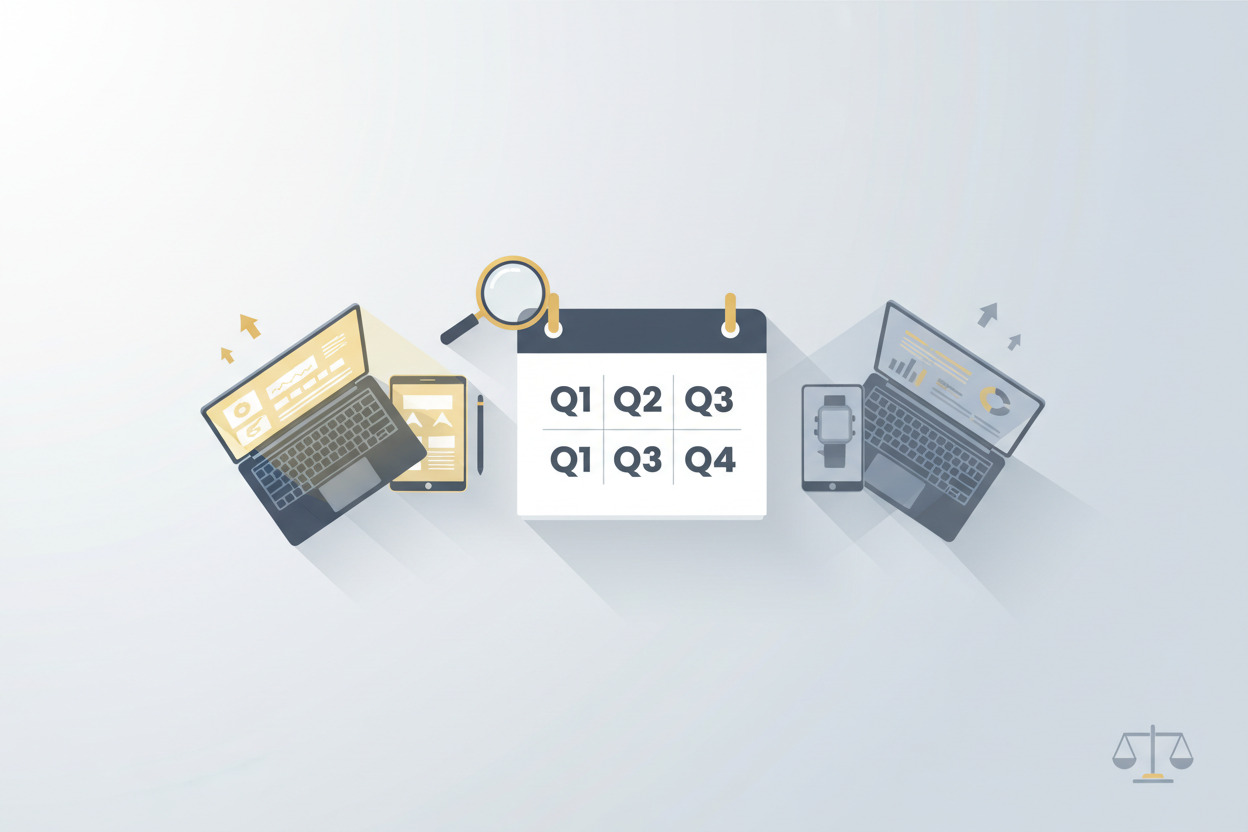
Conduct a quarterly review of your productivity tools, assessing which ones you’re actually using and which provide genuine value. Technology evolves rapidly, so stay informed about new features in existing tools and emerging solutions that might better serve your needs. However, avoid constantly switching tools, as this can disrupt established workflows.