

Liberalism’s Role in Shaping Modern Democracies: How Political Philosophy Built Today’s Free Societies
When we look around at the democratic societies we live in today, it’s easy to take for granted the freedoms we enjoy—the right to vote, speak our minds, practice our religion, and live our lives with dignity. But these weren’t always givens. The foundation of modern democracy rests heavily on centuries of liberal thought and philosophy that challenged absolute power and championed individual rights. Understanding liberalism’s profound influence on democratic governance helps us appreciate not just where we’ve come from, but where we’re heading as free societies.
The story of liberalism and democracy is deeply intertwined, like two rivers that merged to create the powerful current of modern political freedom. From the Enlightenment thinkers who first dared to question divine right to the constitutional framers who built governments around individual liberty, liberal principles have been the architect’s blueprint for democratic societies worldwide.
The Historical Foundations of Liberal Democracy
Liberal democracy didn’t emerge overnight—it was centuries in the making. The roots trace back to the 17th and 18th centuries when philosophers like John Locke began arguing that governments derive their authority from the consent of the governed, not from God or tradition. This was revolutionary thinking that directly challenged the monarchical systems dominating Europe.
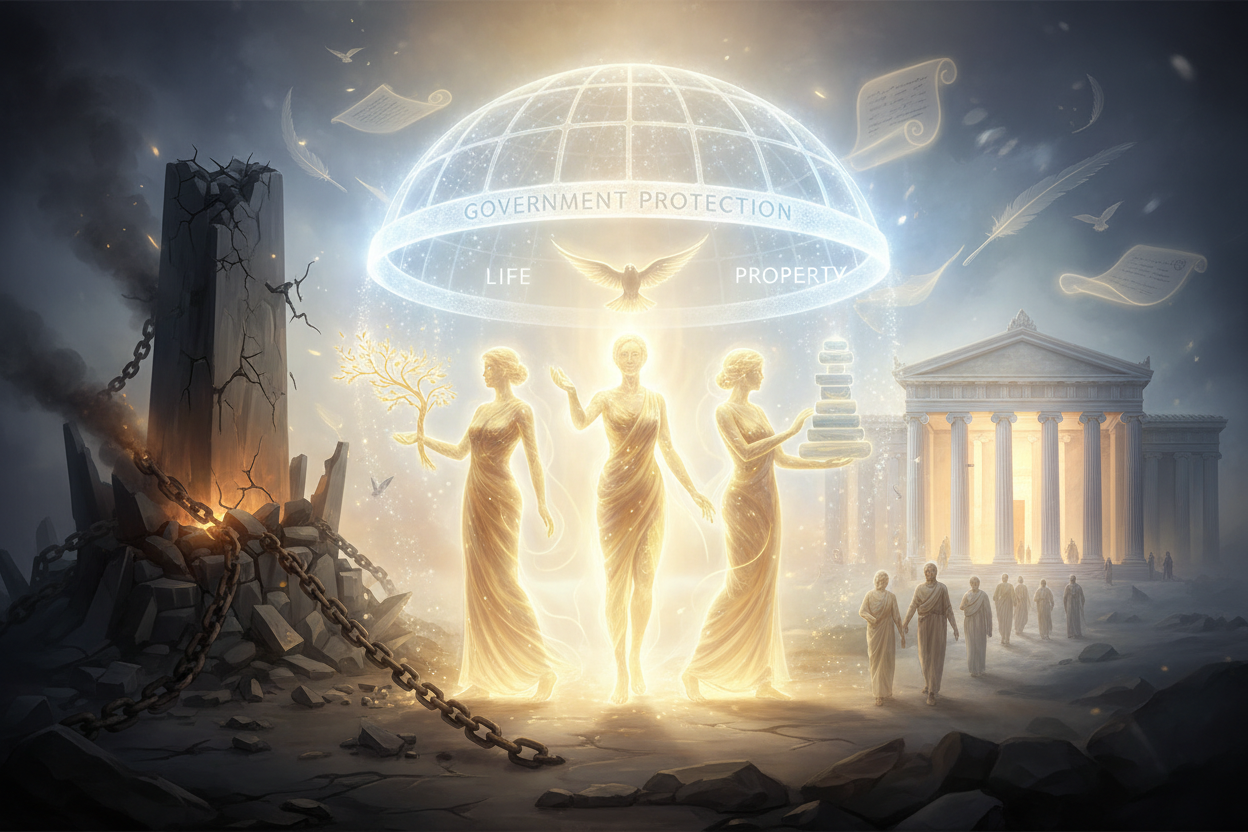
Locke’s ideas about natural rights—life, liberty, and property—became the cornerstone of liberal democratic theory. He argued that individuals possessed these rights simply by virtue of being human, and that governments existed primarily to protect these rights. When governments failed in this duty, Locke maintained, people had the right to replace them. Sound familiar? These concepts would later echo through the American Declaration of Independence and countless other democratic founding documents.
The French Revolution further demonstrated liberalism’s power to reshape political structures. While messy and violent, it showed that ordinary people could overthrow established authority and create new forms of government based on liberal principles like equality before the law and popular sovereignty. The revolutionary cry of “liberty, equality, fraternity” encapsulated liberal ideals that would spread across continents.
Core Liberal Principles That Define Modern Democracy
What exactly makes a democracy “liberal”? Several key principles distinguish liberal democracies from other forms of government, even those that hold elections. These principles have become so fundamental to our understanding of democracy that we often forget they were once radical innovations.
Individual rights stand at the heart of liberal democracy. Unlike pure majoritarian systems where the majority could theoretically oppress minorities, liberal democracies protect certain fundamental rights that even majorities cannot violate. Freedom of speech, religious liberty, due process, and privacy rights create a sphere of individual autonomy that government cannot breach, regardless of popular opinion.
The rule of law represents another pillar of liberal democratic governance. In liberal systems, laws apply equally to everyone—including government officials. This principle prevents arbitrary rule and ensures that power operates within defined boundaries. No one, not even presidents or prime ministers, stands above the law.
Constitutional government provides the framework that makes these principles operational. Liberal democracies typically operate under written or unwritten constitutions that define government powers, establish procedures for decision-making, and protect individual rights. These constitutions often prove difficult to change, providing stability and preventing temporary majorities from fundamentally altering the system.
Liberal Institutions and Democratic Governance
Liberal thought didn’t just contribute philosophical concepts to democracy—it actively shaped the institutions that make democratic governance possible. The separation of powers, independent judiciary, and checks and balances that characterize modern democracies all flow from liberal concerns about preventing the concentration of power.
Montesquieu’s theory of separation of powers, dividing government into legislative, executive, and judicial branches, emerged from liberal fears about tyranny. By ensuring that no single institution could control all governmental functions, liberal thinkers created a system of institutional competition that protects freedom through balanced power.
Independent courts represent perhaps liberalism’s greatest institutional innovation. Liberal democracies invest enormous authority in judges who are insulated from direct political pressure, allowing them to protect minority rights and constitutional principles even when doing so proves unpopular. This counter-majoritarian institution reflects liberalism’s deep commitment to protecting individual rights against potential majority tyranny.
Free and fair elections, while seemingly obvious features of democracy, actually embody distinctly liberal principles. Liberal democracies don’t just hold elections—they ensure that all citizens can participate meaningfully, that multiple viewpoints can compete, and that losers can peacefully transfer power. These features distinguish liberal democracies from electoral authoritarian systems that hold elections but lack genuine competition or rights protection.
Challenges and Criticisms of Liberal Democracy
Despite its historical success, liberal democracy faces significant challenges in the 21st century. Critics from both left and right question whether liberal democratic institutions can address contemporary problems effectively, while populist movements worldwide challenge liberal democratic norms and institutions.
Economic inequality poses a particular challenge to liberal democratic ideals. When wealth concentrates among small elites, the promise of political equality can ring hollow. Critics argue that liberal democracy’s focus on formal political rights ignores substantive inequalities that prevent many citizens from participating meaningfully in democratic governance. This tension between political and economic equality continues to strain liberal democratic systems.
The rise of illiberal democracy represents another challenge. Some democratically elected leaders have systematically undermined liberal institutions while maintaining popular support. Countries like Hungary and Poland demonstrate how democratic processes can be used to dismantle liberal protections, creating systems that hold elections but lack meaningful opposition or rights protection.
Technological disruption adds new complications to liberal democratic governance. Social media enables rapid information spread but also facilitates disinformation campaigns that can undermine democratic deliberation. Digital surveillance capabilities raise new questions about privacy rights and government power that liberal democratic institutions struggle to address.
The Global Impact of Liberal Democratic Values
Liberal democracy’s influence extends far beyond the countries that first adopted these systems. Throughout the 20th and 21st centuries, liberal democratic principles have spread globally, influencing international law, human rights frameworks, and political movements worldwide.
The Universal Declaration of Human Rights, adopted by the United Nations in 1948, essentially codified liberal principles at the international level. Rights to free speech, religious liberty, due process, and political participation became global standards, even if imperfectly implemented. This internationalization of liberal values created new tools for activists and reformers worldwide.
Decolonization movements often drew heavily on liberal democratic ideals, using concepts of self-determination and individual rights to challenge imperial rule. While the results varied widely, the language of liberation frequently echoed liberal themes about consent of the governed and natural rights.
Post-Cold War democratization waves saw many countries attempt transitions to liberal democracy, with mixed results. While some transitions succeeded brilliantly—consider Eastern European countries that joined the European Union—others struggled to build stable liberal institutions. These experiences highlighted that adopting liberal democratic forms requires more than just holding elections; it demands cultural, institutional, and economic changes that can take generations to develop.
The Future of Liberalism in Democratic Society
As we look toward the future, liberalism’s role in shaping democracy continues to evolve. New challenges require fresh thinking about how liberal principles can address contemporary problems while maintaining their core commitments to individual rights and limited government.
Climate change presents particular challenges for liberal democratic governance. Addressing environmental threats may require collective action and long-term planning that democratic systems, with their short electoral cycles and preference for individual choice, struggle to provide. Some argue for more technocratic approaches, while others seek ways to make democratic deliberation more capable of addressing long-term challenges.
Artificial intelligence and automation raise new questions about human dignity and economic security that liberal theory must address. As technology transforms work and social relationships, liberal democracies must evolve their understanding of individual rights and government responsibilities while maintaining core commitments to human freedom and dignity.
The revival of nationalism and authoritarianism worldwide challenges liberal democracy’s universalist assumptions. While liberal thinkers traditionally argued that democratic values were universal, recent political developments suggest that cultural and historical factors may influence how societies organize politically. This doesn’t necessarily invalidate liberal principles, but it may require more nuanced approaches to promoting democratic governance globally.
Liberal democracy has proven remarkably adaptable throughout its history, evolving to address new challenges while maintaining core commitments to individual rights and limited government. The expansion of voting rights, civil rights movements, and social welfare systems all demonstrate liberalism’s capacity for growth and change. This adaptability suggests that liberal democratic systems can continue evolving to meet future challenges while preserving the freedoms that make them worth defending.
The relationship between liberalism and democracy remains dynamic and evolving. As new generations inherit these institutions, they bring fresh perspectives on how liberal principles can address contemporary challenges. Young people today may take democratic freedoms for granted, but they also bring new energy to expanding those freedoms and making them more inclusive and meaningful for all citizens.
Understanding liberalism’s role in shaping modern democracy helps us appreciate both the achievements and ongoing challenges of democratic governance. These systems didn’t emerge accidentally—they reflect centuries of thought, struggle, and compromise aimed at creating societies that respect human dignity while enabling collective self-governance. As we face new challenges in the 21st century, this historical perspective reminds us that democracy requires constant attention and renewal to remain vital and responsive to citizens’ needs.
Frequently Asked Questions
What is the difference between liberalism and democracy?
While often used together, liberalism and democracy are distinct concepts. Democracy refers to rule by the people, typically through majority decision-making. Liberalism emphasizes individual rights, limited government, and constitutional protections. Liberal democracy combines both, creating systems where majorities rule but within constitutional limits that protect individual rights and minority interests.
Can you have democracy without liberalism?
Yes, illiberal democracies exist where elections occur but liberal protections for rights and institutions are weak or absent. Examples include some countries where democratically elected leaders systematically undermine judicial independence, press freedom, or minority rights while maintaining popular support.
How did liberal ideas spread to non-Western countries?
Liberal ideas spread through various channels including colonialism (ironically, as colonized peoples used liberal arguments against imperial rule), international education, global communication, and international organizations. The Universal Declaration of Human Rights helped codify liberal principles as global standards, though implementation varies widely across cultures and political systems.
What are the main criticisms of liberal democracy today?
Contemporary criticisms include concerns that liberal democracy cannot address economic inequality effectively, that it moves too slowly to handle urgent challenges like climate change, that it enables elite capture of political processes, and that its emphasis on individual rights sometimes conflicts with community values or collective action needs.
Is liberal democracy the final form of government, or will it continue evolving?
Liberal democracy continues evolving to address new challenges and include previously excluded groups. Historical examples include expanding voting rights, civil rights protections, and social welfare systems. Current evolution includes grappling with digital technology, climate change, and economic inequality while maintaining core liberal commitments to individual rights and constitutional government.