

10 Tips for Losing Weight Fast: Science-Backed Methods That Work
If you’ve ever found yourself staring at the mirror wondering how to shed those extra pounds quickly, you’re not alone. Millions of people search for effective weight loss strategies every day, and while the internet is flooded with quick-fix promises, the truth is that sustainable, fast weight loss requires science-backed approaches that actually work.
The good news? You don’t need to starve yourself or spend hours at the gym to see meaningful results. Research has revealed several proven methods that can accelerate your weight loss journey while keeping your body healthy and your energy levels stable. Let’s dive into ten evidence-based strategies that can help you lose weight faster than you might think possible.
Understanding the Science Behind Fast Weight Loss
Before jumping into specific strategies, it’s crucial to understand what “fast” weight loss really means. According to the Centers for Disease Control and Prevention, healthy weight loss typically ranges from 1-2 pounds per week. However, during the initial weeks of a new regimen, it’s common to lose more due to water weight reduction and metabolic changes.
The key lies in creating a caloric deficit while maintaining your metabolic rate and preserving lean muscle mass. This approach ensures that the weight you lose is primarily fat, not valuable muscle tissue that keeps your metabolism humming.
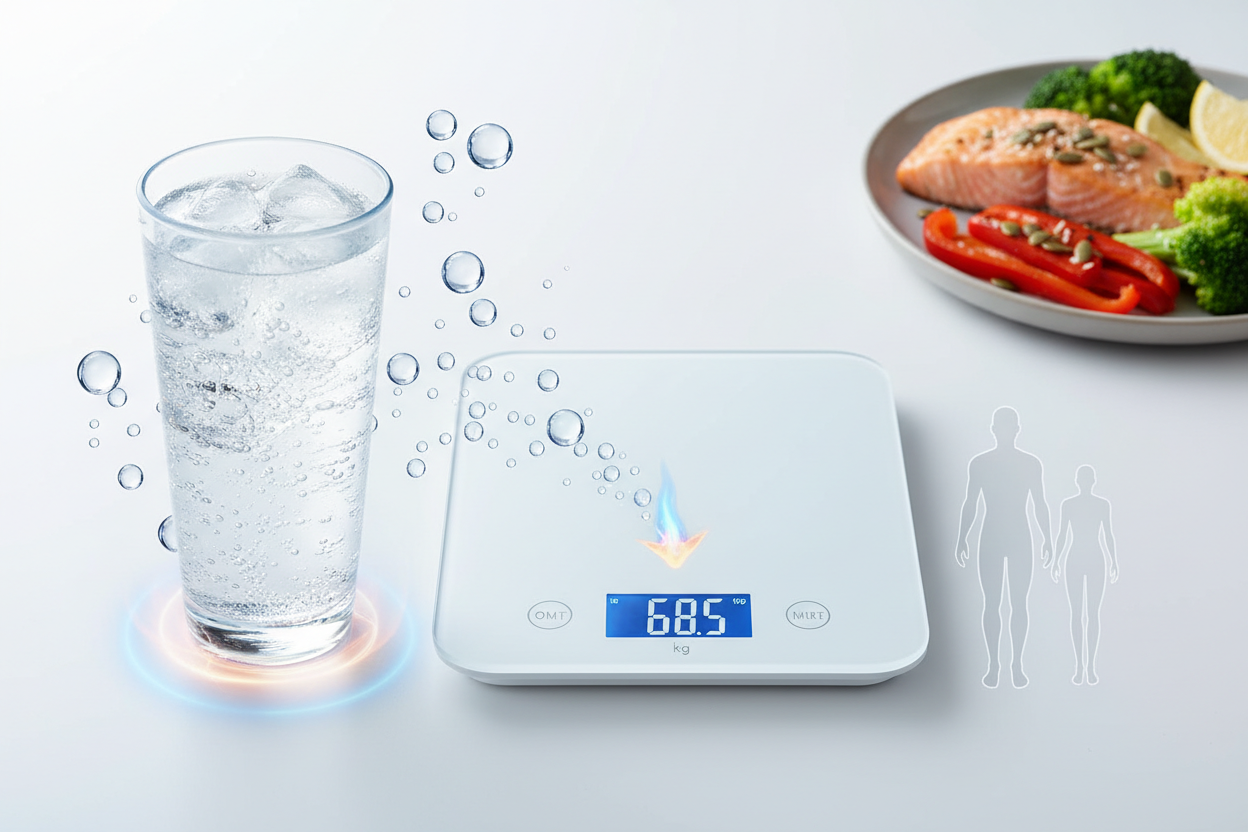
1. Prioritize Protein at Every Meal
Protein is your secret weapon for rapid weight loss. Studies show that increasing protein intake to 25-30% of your daily calories can boost metabolism by up to 100 calories per day while significantly reducing appetite. When you eat protein, your body burns more calories during digestion compared to fats or carbohydrates—a process called the thermic effect of food.
Aim to include a palm-sized portion of lean protein at every meal. Think chicken breast, fish, eggs, Greek yogurt, or plant-based options like lentils and quinoa. Not only will this keep you feeling full longer, but it also helps preserve muscle mass during weight loss, which is essential for maintaining a healthy metabolism.
2. Master the Art of Intermittent Fasting
Intermittent fasting has gained tremendous popularity, and for good reason. Research published in the New England Journal of Medicine shows that this eating pattern can lead to significant weight loss while improving metabolic health markers.
The 16:8 method is particularly effective for beginners—simply eat within an 8-hour window and fast for 16 hours. For example, you might eat between noon and 8 PM, then fast until noon the next day. This approach naturally reduces calorie intake while giving your digestive system a break and potentially boosting fat burning.
3. Eliminate Liquid Calories Completely
Here’s a sobering fact: the average American consumes about 400 calories daily from beverages alone. These liquid calories are particularly problematic because they don’t trigger the same satiety signals as solid food, leaving you just as hungry despite consuming significant calories.
Replace sugary drinks, fruit juices, and even seemingly healthy smoothies with water, herbal teas, or black coffee. This single change can create a substantial caloric deficit without any feelings of deprivation. If you’re used to flavored beverages, try infusing water with fresh fruits or herbs for a refreshing alternative.
4. Embrace High-Intensity Interval Training (HIIT)
When time is limited but results are crucial, HIIT workouts are unmatched. Research demonstrates that just 15-20 minutes of high-intensity interval training can burn more calories than an hour of steady-state cardio, plus it continues burning calories for hours after your workout ends.
A simple HIIT routine might involve 30 seconds of burpees followed by 30 seconds of rest, repeated for 10-15 rounds. The beauty of HIIT is its versatility—you can do it with bodyweight exercises, running, cycling, or even swimming. The key is pushing yourself to about 85-90% of your maximum effort during the work intervals.
5. Fill Half Your Plate with Non-Starchy Vegetables
Vegetables are nature’s weight loss allies. They’re packed with fiber, water, and nutrients while being incredibly low in calories. By filling half your plate with non-starchy vegetables like broccoli, spinach, bell peppers, and zucchini, you automatically crowd out higher-calorie foods while ensuring you feel satisfied.
The fiber in vegetables also helps regulate blood sugar levels, preventing the energy crashes that often lead to unhealthy snacking. Plus, the act of chewing fibrous vegetables can increase satiety signals, helping you recognize when you’re truly full.
6. Optimize Your Sleep for Weight Loss
Sleep might be the most underrated weight loss tool. Studies consistently show that people who sleep less than 7 hours per night have higher levels of ghrelin (the hunger hormone) and lower levels of leptin (the satiety hormone). This hormonal imbalance can increase appetite by up to 25%.
Poor sleep also affects your decision-making abilities, making you more likely to reach for high-calorie comfort foods. Aim for 7-9 hours of quality sleep by creating a consistent bedtime routine, keeping your bedroom cool and dark, and avoiding screens for at least an hour before bed.
7. Stay Hydrated with Strategic Water Intake
Water is a powerful weight loss accelerator that most people underutilize. Drinking 16 ounces of water before meals can reduce calorie intake by 13%, according to research from Virginia Tech. Water also temporarily boosts metabolism and can help distinguish between true hunger and thirst—many people eat when they’re actually just dehydrated.
Aim for at least half your body weight in ounces of water daily. If you weigh 150 pounds, that’s 75 ounces of water. Start your day with a large glass of water, and keep a water bottle nearby throughout the day as a visual reminder to stay hydrated.
8. Practice Mindful Eating Techniques
In our fast-paced world, many of us eat while distracted—scrolling through phones, watching TV, or working at our desks. This mindless eating can lead to consuming 25% more calories without even realizing it.
Mindful eating involves paying full attention to your food, eating slowly, and listening to your body’s hunger and fullness cues. Put down your fork between bites, chew thoroughly, and check in with your hunger level halfway through your meal. This practice naturally leads to eating less while enjoying your food more.
9. Incorporate Strength Training for Metabolic Boost
While cardio burns calories during exercise, strength training provides a metabolic boost that lasts long after your workout ends. Muscle tissue burns more calories at rest than fat tissue—about 6 calories per pound compared to 2 calories per pound for fat.
You don’t need to become a bodybuilder to benefit from strength training. Even two 20-minute sessions per week focusing on compound movements like squats, deadlifts, and push-ups can help preserve muscle mass during weight loss while boosting your metabolic rate.
10. Manage Stress Levels Effectively
Chronic stress is a hidden saboteur of weight loss efforts. When you’re stressed, your body produces cortisol, which can increase appetite and promote fat storage, particularly around the midsection. Stress also often leads to emotional eating and poor food choices.
Incorporate stress-management techniques into your daily routine. This might include 10 minutes of meditation, deep breathing exercises, yoga, or simply taking a walk in nature. Find what works for you and make it non-negotiable—your waistline will thank you.
Putting It All Together for Maximum Results
The beauty of these science-backed strategies is that they work synergistically. You don’t need to implement all ten tips simultaneously—start with 2-3 that resonate most with you and gradually add others as they become habits.
Remember, the fastest way to lose weight is actually the most sustainable way. Crash diets and extreme measures might show quick results on the scale, but they’re rarely maintainable and often lead to regaining even more weight. These evidence-based approaches will help you lose weight quickly while building healthy habits that last a lifetime.
The journey to your ideal weight doesn’t have to be a struggle filled with deprivation and exhaustion. By leveraging these scientifically-proven methods, you can accelerate your progress while actually improving your overall health and energy levels. Start today with just one tip, and watch as small, consistent changes compound into remarkable results.
Frequently Asked Questions
How much weight can I realistically lose in the first week?
In the first week of implementing these strategies, it’s common to lose 2-5 pounds, with much of this being water weight. After the initial week, expect 1-2 pounds per week of sustainable fat loss.
Do I need to count calories to lose weight fast?
While calorie awareness is helpful, focusing on these science-backed strategies often naturally creates a caloric deficit without the need for meticulous counting. However, tracking for a few days can provide valuable insights into your eating patterns.
Can I lose weight fast without exercise?
Yes, weight loss is primarily driven by diet, and you can lose weight through dietary changes alone. However, incorporating both HIIT and strength training will accelerate results and improve body composition.
Is it safe to lose weight quickly?
When done using healthy, science-backed methods like those outlined above, losing 1-2 pounds per week is considered safe by medical professionals. Avoid extreme measures that promise unrealistic results.
What should I do if I hit a weight loss plateau?
Plateaus are normal and often indicate that your body has adapted to your current routine. Try varying your exercise routine, adjusting your intermittent fasting window, or reassessing your portion sizes to break through plateaus.
How long should I follow these tips to see results?
Many people notice changes in energy and appetite within the first few days, with visible results typically appearing within 2-3 weeks. For significant transformation, commit to these habits for at least 8-12 weeks.