
Best 10 Direct-to-Consumer Brands: Modern Shopping Experiences That Are Changing Retail Forever
Remember the days when buying a mattress meant spending your Saturday afternoon in a stuffy showroom, being followed around by overzealous salespeople? Or when getting prescription glasses required multiple trips to the optometrist and shelling out hundreds of dollars? Those days are quickly becoming a distant memory, thanks to the direct-to-consumer (D2C) revolution that’s completely transformed how we shop.
Direct-to-consumer brands have flipped the traditional retail model on its head by cutting out the middleman and selling directly to customers online. This approach doesn’t just save money – it creates more personalized, convenient, and often surprisingly delightful shopping experiences that make you wonder why all brands don’t operate this way.
Today, we’re diving into the ten D2C brands that are absolutely nailing the modern shopping experience. These companies have mastered the art of combining quality products with seamless digital experiences, exceptional customer service, and innovative marketing that actually feels helpful rather than pushy.
What Makes Direct-to-Consumer Brands Special?
Before we jump into our top picks, let’s talk about what sets D2C brands apart from traditional retailers. These companies have built their entire business model around understanding their customers deeply and creating products that solve real problems. Without the pressure of pleasing retail partners or fitting into existing store layouts, they can focus entirely on what matters most: the customer experience.
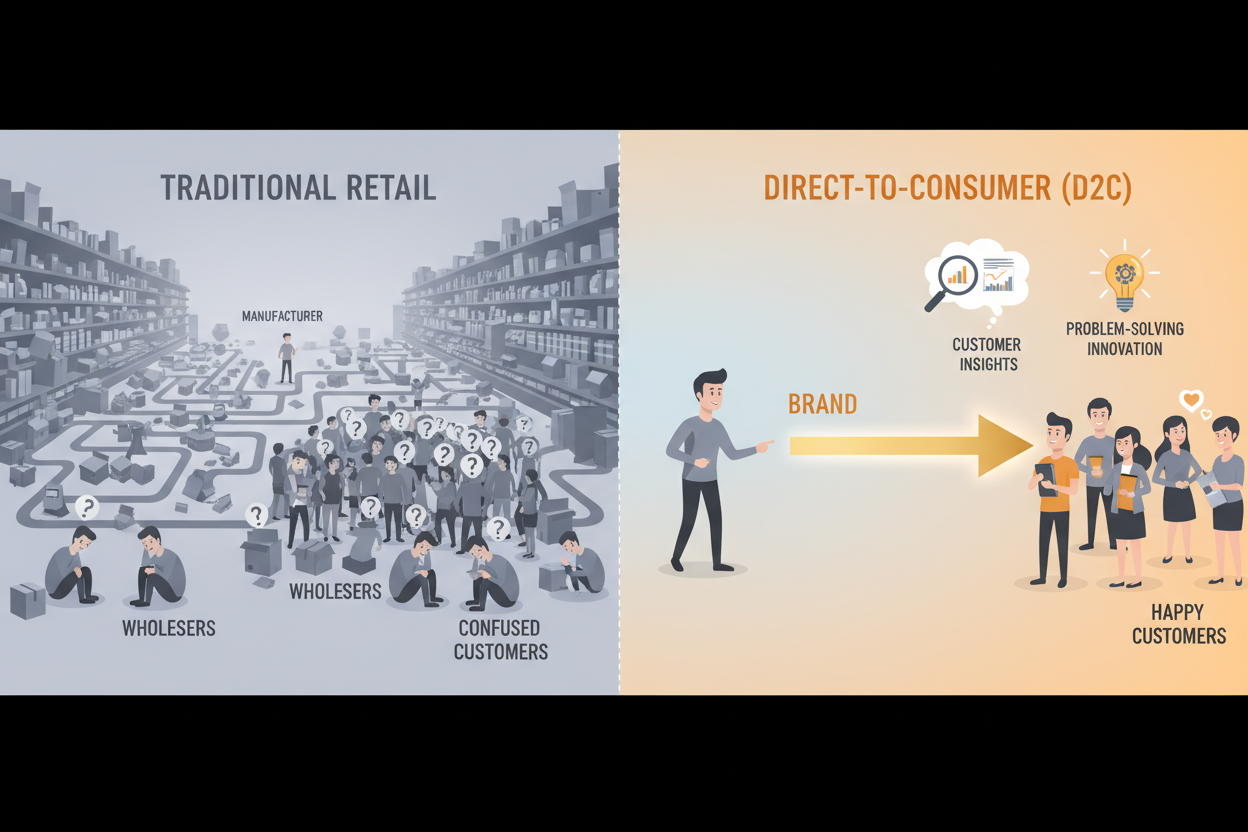
D2C brands typically offer better value because they eliminate retail markups, more personalized service because they own the entire customer relationship, and faster innovation because they get direct feedback from their users. They’re also masters of storytelling, using social media and content marketing to build genuine connections with their audience.
Warby Parker: Revolutionizing Eyewear One Frame at a Time
Warby Parker didn’t just disrupt the eyewear industry – they completely reimagined it. When the company launched in 2010, getting prescription glasses was an expensive, time-consuming ordeal. Warby Parker changed all that with their innovative Home Try-On program, allowing customers to select five frames online and try them at home for five days, completely free.
What makes Warby Parker’s shopping experience exceptional is their seamless blend of digital and physical touchpoints. Their website features a virtual try-on tool using your device’s camera, detailed product descriptions, and honest customer reviews. When you’re ready to order, their prescription verification process is straightforward, and glasses typically arrive within 7-10 business days.
The brand has also expanded into physical retail spaces, but these aren’t your typical optical shops. Their stores feel more like modern boutiques, with knowledgeable staff who aren’t working on commission and iPad stations where you can browse their full collection and read reviews.
Casper: Making Mattress Shopping as Easy as Sleeping
Casper turned one of the most dreaded shopping experiences – buying a mattress – into something almost enjoyable. Instead of dealing with pushy salespeople and confusing options, Casper initially offered just one mattress design that they spent years perfecting based on sleep science and customer feedback.
Their genius lies in the simplicity of the experience. You order online, the mattress arrives compressed in a surprisingly small box, and you get 100 nights to decide if it’s right for you. No questions asked returns and free pickup if you’re not satisfied. This risk-free approach completely eliminated the anxiety around such a significant purchase.
Casper has since expanded their product line to include pillows, sheets, and even dog beds, but they’ve maintained their focus on making sleep products that actually improve your rest. Their content marketing, including the sleep-focused blog and podcast, positions them as sleep experts rather than just mattress sellers.
Dollar Shave Club: Subscription Commerce Done Right
Dollar Shave Club proved that even the most mundane products could be exciting with the right approach. Their viral launch video, which cost just $4,500 to produce, garnered millions of views and completely disrupted the razor industry dominated by expensive cartridge systems.
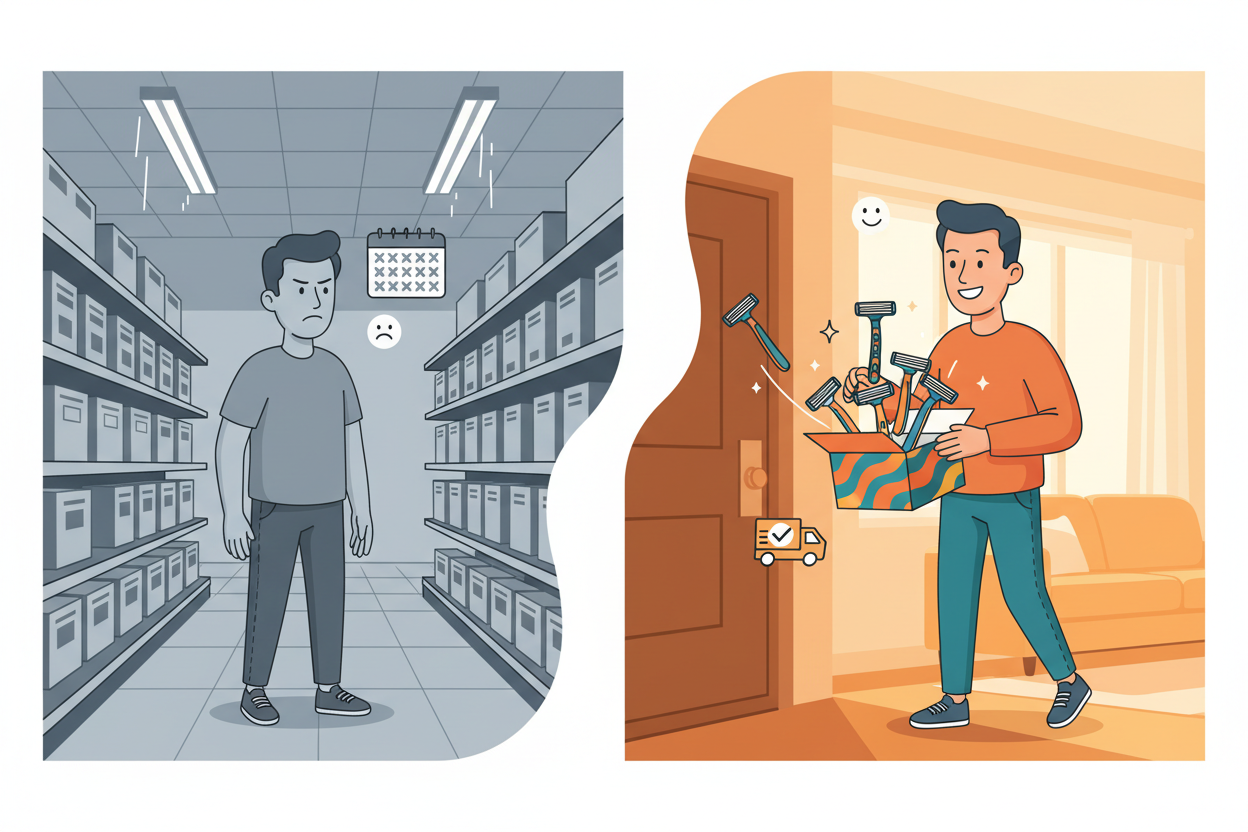
What made Dollar Shave Club special wasn’t just their low prices – it was their understanding that buying razors was a boring chore that men often forgot to do. Their subscription model solved this problem while their irreverent brand voice made the experience entertaining. Monthly deliveries meant never running out of razors again, and their packaging always included witty copy that made opening the box fun.
The brand expanded beyond razors to create a complete men’s grooming ecosystem, always maintaining their humorous, no-nonsense approach. Their success led to acquisition by Unilever for $1 billion, proving that D2C brands could achieve massive scale.
Glossier: Building Beauty Through Community
Glossier didn’t start as a beauty brand – it started as a beauty blog called Into the Gloss. This origin story is crucial to understanding why their D2C approach works so well. Founder Emily Weiss spent years building a community and understanding what women actually wanted from their beauty products, not what the industry thought they should want.
Glossier’s shopping experience feels more like browsing a friend’s carefully curated collection than shopping at a traditional cosmetics counter. Their website features real customers wearing the products, honest reviews, and detailed tutorials. The brand’s minimalist aesthetic extends from their packaging to their retail spaces, creating a cohesive experience that feels authentic and approachable.
What sets Glossier apart is their community-first approach. They regularly feature customers on their social media, incorporate feedback into product development, and create content that educates rather than just sells. Their customers don’t just buy products – they become brand ambassadors.
Away: Redefining Travel Gear for Modern Nomads
Away transformed the luggage industry by focusing on the actual travel experience rather than just making bags. Their suitcases come with built-in USB chargers, TSA-approved locks, and four 360-degree wheels that actually work smoothly. But the real innovation is in their approach to customer service and brand building.
Away’s shopping experience begins with their content platform, Here Magazine, which features travel stories, guides, and tips that provide value beyond just selling luggage. When you’re ready to buy, their website offers detailed product information, size guides, and a lifetime warranty that demonstrates confidence in their products.
The brand also offers a 100-day trial period, recognizing that you can’t really test luggage until you travel with it. Their customer service team includes travel experts who can help with everything from packing tips to travel recommendations, positioning Away as a travel companion rather than just a luggage manufacturer.
Allbirds: Sustainable Comfort Meets Modern Design
Allbirds built their brand around a simple premise: create the world’s most comfortable shoes using sustainable materials. Their original Tree Runners, made from eucalyptus tree fiber, offered a completely new approach to footwear that prioritized comfort and environmental responsibility over flashy designs.
The Allbirds shopping experience emphasizes transparency and education. Their website explains exactly what materials are used in each shoe, their environmental impact, and why these choices matter. They’ve gamified sustainability with their carbon footprint labels on each product, making environmental consciousness part of the purchase decision.
What makes Allbirds special is their commitment to continuous improvement based on customer feedback. They regularly update their designs and materials based on wearer experiences, and they’re transparent about these changes. Their try-before-you-buy program and easy returns policy remove the risk from online shoe shopping.
Ritual: Transparency in the Vitamin Industry
The vitamin and supplement industry has long been plagued by questionable claims and mysterious ingredient lists. Ritual cut through this confusion by creating vitamins with complete transparency about sourcing, manufacturing, and scientific backing for every ingredient.
Ritual’s D2C approach allows them to educate customers about nutrition in ways that traditional vitamin companies never could. Their website features detailed explanations of why each ingredient was chosen, where it comes from, and what research supports its inclusion. They’ve made supplement shopping educational rather than overwhelming.
Their subscription model ensures customers never run out of vitamins, while their flexible approach allows easy modifications or cancellations. The brand’s clean aesthetic and scientific approach appeals to health-conscious consumers who want to make informed decisions about their supplements.
Peloton: Creating Connected Fitness Experiences
Peloton didn’t just sell exercise bikes – they created an entirely new category of connected fitness. Their approach combines high-quality hardware with engaging software and community features that make working out from home actually enjoyable and motivating.
The Peloton shopping experience begins with their showrooms, where you can try the bikes and understand the full ecosystem. Their website provides detailed information about classes, instructors, and the community aspects that make Peloton more than just equipment. The financing options make their premium products accessible to more customers.
What sets Peloton apart is their focus on the ongoing relationship rather than just the initial sale. Their monthly subscription provides access to new classes, challenges, and community features that keep users engaged long after purchase. This approach has created incredibly loyal customers who become brand evangelists.
Outdoor Voices: Making Fitness Inclusive and Fun
Outdoor Voices challenged the intimidating, performance-obsessed fitness culture with their “Doing Things” philosophy that celebrates movement in all its forms. Their activewear is designed for real people doing real activities, not just elite athletes.
The brand’s shopping experience reflects their inclusive approach. Their website features diverse models engaged in various activities, from hiking to walking dogs to playing recreational sports. Product descriptions focus on how items feel and move rather than just technical specifications.
Outdoor Voices has built community through their local events, social media presence, and retail spaces that feel more like community centers than traditional stores. Their approach makes fitness feel accessible and enjoyable rather than intimidating.
ThirdLove: Revolutionizing Intimate Apparel Shopping
ThirdLove addressed one of the most frustrating shopping experiences for women: finding properly fitting bras. Their approach combines technology, inclusive sizing, and exceptional customer service to solve problems that traditional lingerie retailers had ignored for decades.
Their Fit Finder quiz uses data and algorithms to recommend sizes and styles based on individual measurements and preferences. With over 80 sizes and a 365-day return policy, ThirdLove removes the guesswork and risk from bra shopping. Their website features real customers wearing the products and honest discussions about fit challenges.
ThirdLove’s customer service team includes fit experts who provide personalized recommendations and support. This level of service, combined with their inclusive approach to sizing and marketing, has created a loyal customer base that feels truly served rather than just sold to.
The Future of Direct-to-Consumer Shopping
These ten brands represent just the beginning of the D2C revolution. As technology continues to evolve, we can expect even more personalized, convenient, and engaging shopping experiences. Artificial intelligence will enable better product recommendations, augmented reality will improve try-before-you-buy experiences, and sustainability will become an even more important differentiator.
The success of these D2C brands has also influenced traditional retailers to improve their own customer experiences. We’re seeing established companies adopt D2C strategies, invest in better online experiences, and focus more on customer relationships rather than just transactions.
What’s clear is that the future of retail belongs to brands that truly understand their customers and create experiences that add value beyond just selling products. The companies on this list have shown that when you focus on solving real problems and building genuine relationships, customers will reward you with their loyalty and advocacy.
Frequently Asked Questions
What exactly is a direct-to-consumer brand?
A direct-to-consumer (D2C) brand sells its products directly to customers, typically online, without using traditional retail intermediaries like department stores or wholesalers. This allows them to control the entire customer experience, offer better prices, and build direct relationships with their customers.
Are D2C brands more expensive than traditional retail?
Generally, D2C brands offer better value because they eliminate retail markups and middleman costs. While some D2C products may have higher upfront prices than mass-market alternatives, they often provide better quality, customer service, and overall value for money.
What are the main advantages of shopping with D2C brands?
D2C brands typically offer better customer service, more personalized experiences, higher quality products, transparent pricing, generous return policies, and direct access to the company for feedback and support. They also often provide better value by eliminating retail markups.
How do D2C brands handle returns and customer service?
Most successful D2C brands offer generous return policies and exceptional customer service as key differentiators. Many provide free returns, extended trial periods, and direct access to knowledgeable customer service representatives who can provide personalized assistance.
Are D2C brands only available online?
While D2C brands started as online-only businesses, many successful ones have expanded into physical retail spaces. However, these physical locations are typically designed as showrooms or experience centers rather than traditional retail stores, maintaining the brand’s direct relationship with customers.
How can I tell if a D2C brand is legitimate and trustworthy?
Look for transparent information about the company, clear return policies, genuine customer reviews, responsive customer service, and professional website design. Legitimate D2C brands are typically very open about their products, processes, and company information since transparency is a key part of their value proposition.