
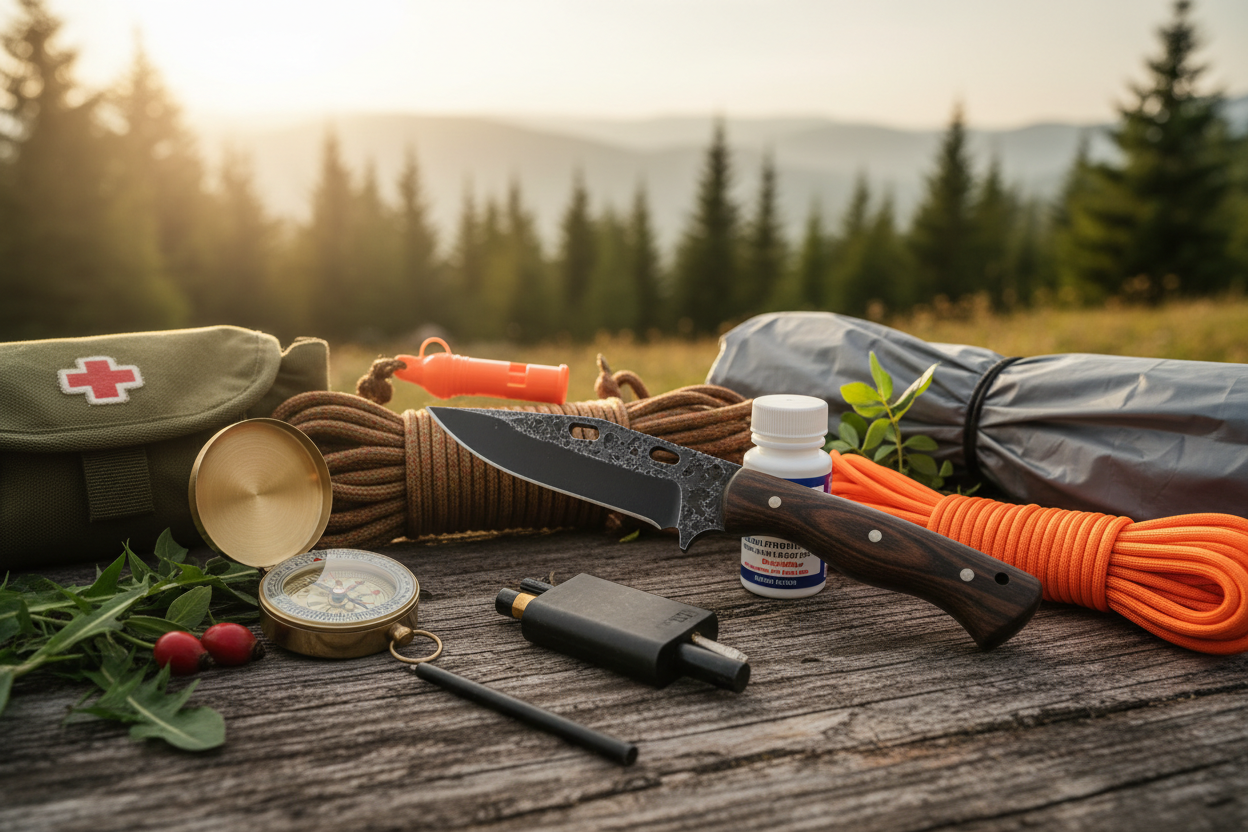
10 Ultimate Survival Skills to Learn: Emergency Preparedness Guide
When disaster strikes, whether it’s a natural calamity, power outage, or unexpected emergency, having the right survival skills can mean the difference between life and death. While we live in an age of modern conveniences, basic survival knowledge remains as crucial today as it was for our ancestors. This comprehensive emergency preparedness guide will walk you through ten essential survival skills that every person should master, regardless of their lifestyle or location.
Emergency preparedness isn’t just for outdoor enthusiasts or doomsday preppers. From urban blackouts to wilderness adventures gone wrong, these fundamental skills can help you navigate challenging situations with confidence and increase your chances of survival until help arrives or conditions improve.

Why Emergency Preparedness Skills Matter More Than Ever
In our interconnected world, we’ve become increasingly dependent on technology and infrastructure systems. When these systems fail, many people find themselves unprepared for even basic survival needs. Recent events like hurricanes, wildfires, and extended power outages have highlighted how quickly our comfortable lives can be disrupted.
Learning survival skills isn’t about living in fear—it’s about building confidence and self-reliance. These abilities serve as your personal insurance policy, giving you the tools to handle unexpected situations calmly and effectively. Whether you’re facing a weekend camping trip or a major emergency, these skills will serve you well throughout your life.
1. Water Location and Purification: Your Most Critical Need
Water is your absolute priority in any survival situation. The human body can only survive three days without water, making this skill fundamental to emergency preparedness. Finding and purifying water sources requires both knowledge and preparation.
Start by learning to identify natural water sources in your environment. Rivers, streams, and lakes are obvious choices, but you should also know how to collect rainwater, extract moisture from plants, and even create solar stills for water collection. Remember that morning dew can be collected using cloth and wrung out into containers.
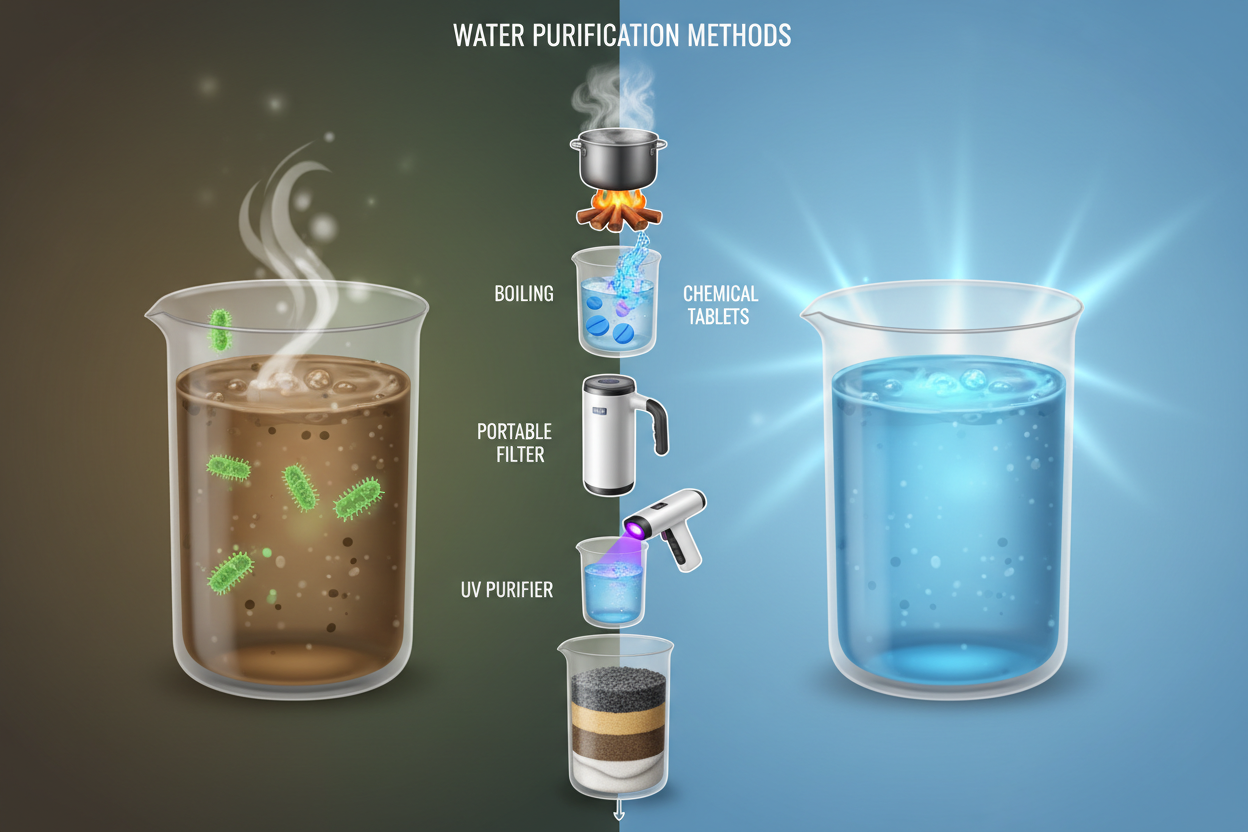
Purification methods are equally important since contaminated water can make you seriously ill. Boiling water for at least one minute kills most harmful bacteria and viruses. Water purification tablets, portable filters, and UV sterilization devices are excellent additions to your emergency kit. In desperate situations, you can create a basic filter using sand, gravel, and cloth layers, though this should be combined with boiling for maximum safety.
2. Fire Starting: Warmth, Cooking, and Signaling
Fire serves multiple critical functions in survival situations: providing warmth, cooking food, purifying water, and creating smoke signals for rescue. Mastering various fire-starting techniques ensures you can create fire even when matches or lighters aren’t available.
Begin with the basics—always carry waterproof matches and a reliable lighter in your emergency kit. However, primitive fire-starting methods are invaluable backup skills. Learn the bow drill method, which uses friction between wood pieces to create an ember. Fire steel and flint provide reliable sparks even in wet conditions.
Gather tinder, kindling, and fuel wood before attempting to start your fire. Dry grass, birch bark, and fine wood shavings make excellent tinder. Gradually build from small twigs to larger branches, maintaining proper airflow throughout the process. Practice these techniques regularly—your life might depend on them when stress levels are high.
3. Shelter Construction: Protection from the Elements
Exposure to harsh weather can kill you faster than hunger or thirst. Understanding how to construct effective emergency shelters using natural materials or basic supplies is essential for survival preparedness.
The type of shelter you build depends on your environment and available materials. In forested areas, a lean-to shelter using fallen branches and debris provides excellent protection. Desert environments require shade structures that promote airflow while blocking sun exposure. Snow caves offer insulation in winter conditions, while raised platforms keep you dry in swampy areas.
Key principles apply to all shelter construction: insulation from the ground, protection from wind and precipitation, and maintaining body heat. Always consider the shelter’s location carefully—avoid low-lying areas that collect water, steep slopes prone to rockfall, and areas with obvious animal activity. Your shelter should be just large enough for your needs, as smaller spaces retain heat more effectively.
4. Food Procurement: Foraging, Hunting, and Fishing
While humans can survive weeks without food, maintaining energy and morale requires understanding basic food procurement techniques. This survival skill combines knowledge of edible plants, basic hunting methods, and simple fishing techniques.
Plant foraging requires careful study and practice. Learn to identify common edible plants in your region, such as dandelions, plantain, and wild berries. Never eat anything you cannot positively identify—when in doubt, don’t risk it. Many plants have poisonous look-alikes that can cause serious illness or death.
Basic hunting and fishing skills can provide protein in extended survival situations. Simple snares and traps can catch small game, while improvised fishing hooks made from safety pins or thorns can help you catch fish. Learn to identify animal tracks and signs to locate potential food sources. Always follow local regulations during non-emergency situations and practice these skills ethically.
5. Navigation and Signaling: Finding Your Way and Getting Found
Getting lost can quickly turn a minor inconvenience into a life-threatening emergency. Developing strong navigation skills and understanding signaling techniques dramatically increases your chances of reaching safety or being rescued.
Learn to use a compass and topographic map, even in our GPS-dependent world. Electronic devices can fail, run out of battery, or lose signal in remote areas. Understand basic celestial navigation using the sun and stars—the North Star provides reliable direction in the Northern Hemisphere, while the sun rises in the east and sets in the west.
Natural navigation signs include moss growth patterns, tree branch development, and snow accumulation patterns. These indicators aren’t foolproof but can provide general direction when combined with other observations.
Signaling techniques help rescuers locate you. Three of anything—whistle blasts, mirror flashes, or smoke columns—is the universal distress signal. Bright colored clothing or materials can create visible markers, while ground signals using rocks or logs can be seen from aircraft. Always have multiple signaling methods available.
6. First Aid and Medical Skills: Treating Injuries and Illness
Medical emergencies become exponentially more dangerous when professional help isn’t readily available. Basic first aid knowledge and skills can save lives, including your own, during emergency situations.
Start with fundamental first aid training through organizations like the Red Cross. Learn to assess and treat common injuries: cuts, burns, fractures, and sprains. Understanding how to control bleeding, treat shock, and recognize signs of serious medical conditions is crucial.
Wilderness first aid goes beyond basic techniques to include improvised medical care using available materials. Learn to create splints from branches and cloth, fashion bandages from torn clothing, and identify medicinal plants that can help with pain relief or infection prevention.
Maintain a well-stocked first aid kit and know how to use every item in it. Include prescription medications, pain relievers, antiseptics, bandages, and emergency medications like epinephrine if needed. Regularly check expiration dates and replace items as necessary.
7. Tool Making and Repair: Improvising Essential Equipment
The ability to create and repair tools using available materials extends your survival capabilities significantly. This skill combines creativity, problem-solving, and basic craftsmanship to meet immediate needs.
Learn to knap stone for cutting tools, though this requires considerable practice to master safely. More practical skills include lashing techniques using rope, vine, or improvised cordage to create handles, repair equipment, or construct shelters and traps.
Understand basic metallurgy for sharpening and maintaining metal tools. A sharp knife is infinitely more useful and safer than a dull one. Learn to use sharpening stones, files, or even smooth rocks to maintain cutting edges.
Cordage making from natural materials like plant fibers can provide rope when none is available. Practice braiding and twisting techniques that create strong, reliable rope from grass, bark, or other fibrous materials.
8. Weather Prediction: Reading Nature’s Warning Signs
Understanding weather patterns and natural warning signs helps you prepare for changing conditions before they become dangerous. This knowledge allows you to seek shelter, adjust travel plans, or take other protective measures.
Learn to read cloud formations and understand what they indicate about coming weather. Cumulus clouds suggest fair weather, while cumulonimbus clouds warn of potential thunderstorms. Cirrus clouds often indicate weather changes within 24 hours.
Animal behavior provides additional weather clues. Birds flying low, unusual animal activity, or insects swarming can indicate approaching storms. Plants also respond to atmospheric pressure changes—some flowers close before rain, while others release stronger fragrances.
Barometric pressure changes affect your body and can be felt as headaches or joint pain in sensitive individuals. Learning to recognize these personal weather indicators can provide early warning of approaching weather systems.
9. Mental Resilience: Staying Calm Under Pressure
Survival situations are as much mental challenges as physical ones. Developing psychological resilience and stress management techniques often determines who survives and who doesn’t in emergency situations.
Practice the STOP technique: Stop, Think, Observe, and Plan. This prevents panic-driven decisions that can worsen your situation. Take time to assess your circumstances, available resources, and potential options before acting.
Maintain a positive mental attitude through goal-setting and celebrating small victories. Focus on what you can control rather than dwelling on circumstances beyond your influence. Visualization techniques and mental rehearsal of survival scenarios build confidence and reduce panic responses.
Develop stress management techniques like controlled breathing, meditation, or progressive muscle relaxation. These skills help you stay calm, think clearly, and make better decisions when facing life-threatening situations.
10. Self-Defense and Security: Protecting Yourself and Others
Unfortunately, emergency situations can sometimes bring out the worst in people. Understanding basic self-defense principles and security awareness helps protect you and your loved ones during chaotic times.
Situational awareness is your first line of defense. Stay alert to your surroundings, trust your instincts about potentially dangerous situations, and avoid unnecessary risks. Learn to identify and avoid potential threats before they become immediate dangers.
Basic self-defense techniques don’t require years of martial arts training. Focus on simple, effective moves that can create opportunities to escape rather than engage in prolonged confrontations. The goal is always to get away safely, not to win a fight.
Understand how to secure your shelter, cache supplies safely, and maintain operational security about your resources and plans. Sometimes the best defense is not appearing to be a target worth pursuing.
Building Your Emergency Preparedness Plan
Having these skills means nothing without practice and preparation. Start by creating a comprehensive emergency preparedness plan that includes skill practice schedules, equipment maintenance, and scenario planning.
Practice these skills regularly in controlled environments before you need them in real emergencies. Join local survival groups, take wilderness courses, or practice with family members. Regular skill practice builds muscle memory and confidence that serves you well under stress.
Develop location-specific plans for your home, workplace, and frequently visited areas. Each environment presents unique challenges and opportunities that require tailored approaches.
Conclusion: Your Journey to Self-Reliance Begins Now
Mastering these ten ultimate survival skills creates a foundation of self-reliance that serves you throughout life. These abilities provide confidence, security, and the knowledge that you can handle whatever challenges come your way. Remember that survival skills are perishable—they require regular practice and continuous learning to maintain proficiency.
Start with the skills most relevant to your environment and lifestyle, then gradually expand your capabilities. Every skill you master makes you more prepared and confident. Whether you face a minor inconvenience or a major emergency, these survival skills will help you navigate challenges successfully and potentially save lives.
Emergency preparedness isn’t about expecting the worst—it’s about being ready for whatever life brings your way. Begin your survival skills journey today, and invest in the most important insurance policy you can have: your own knowledge and abilities.
Frequently Asked Questions
Q: How long does it take to learn basic survival skills?
A: Basic proficiency in essential survival skills can be developed over several months with regular practice. However, mastery is a lifelong journey. Start with water procurement and fire-starting skills, as these are most critical for immediate survival needs.
Q: Do I need expensive equipment to practice survival skills?
A: No, many survival skills can be practiced with minimal equipment. While quality tools are helpful, learning to improvise and work with natural materials is more valuable than expensive gear. Focus on knowledge and technique first, then invest in quality equipment as your skills develop.
Q: Are these skills useful for urban emergency situations?
A: Absolutely. Urban emergencies like power outages, natural disasters, or infrastructure failures can benefit from these same survival principles. Water purification, fire starting, first aid, and emergency signaling are valuable regardless of your location.
Q: Should children learn survival skills?
A: Yes, age-appropriate survival skills build confidence and safety awareness in children. Start with basic concepts like staying calm, signaling for help, and basic first aid. Make learning fun through games and outdoor activities rather than focusing on scary scenarios.
Q: How often should I practice these survival skills?
A: Practice critical skills like fire-starting and navigation monthly, while reviewing first aid and other skills quarterly. Annual comprehensive skill assessments help identify areas needing improvement. Regular practice maintains proficiency and builds confidence for real emergencies.