
How Pittsburgh Independent Radio Supports Local Artists: A Thriving Music Ecosystem
Pittsburgh’s music scene pulses with an energy that’s uniquely its own, and at the heart of this vibrant ecosystem lies a network of independent radio stations that champion local talent like nowhere else. From the steel mills to the Strip District, the Steel City has always marched to its own beat, and its independent radio landscape reflects this fierce spirit of authenticity and community support.
While major markets often overlook emerging artists in favor of established acts, Pittsburgh’s independent radio stations have carved out something special – a genuine commitment to nurturing homegrown talent. These stations don’t just play local music as an afterthought; they’ve made supporting Pittsburgh artists their mission, creating pathways for musicians that simply don’t exist in many other cities.
The Foundation of Pittsburgh’s Independent Radio Scene
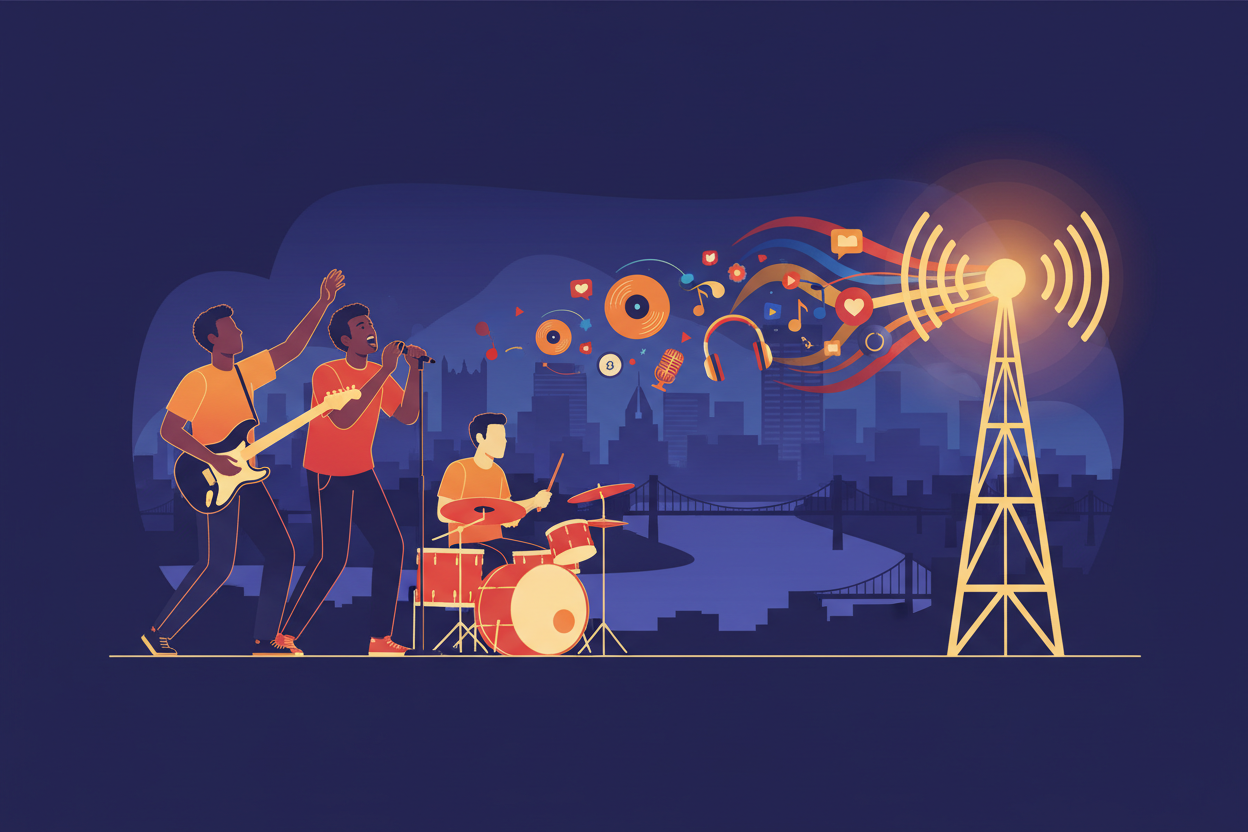
Pittsburgh’s independent radio landscape stands apart from corporate-controlled airwaves found in many cities. Stations like WYEP 91.3 FM have been cornerstones of the local music community for decades, operating with the kind of programming freedom that allows DJs to take real risks on unknown artists. Unlike their commercial counterparts, these stations aren’t beholden to rigid playlists dictated by distant corporate offices.
What makes Pittsburgh’s approach unique is the personal connection between radio programmers and the local music community. Many DJs here are musicians themselves, or at least deeply embedded in the scene. They attend shows at venues like Mr. Smalls Theatre and The Rex Theater, building relationships with artists that go beyond simple promotional exchanges.
The city’s geography plays a role too. Pittsburgh’s manageable size means that radio personalities can actually know their local artists personally. It’s not uncommon for a DJ to bump into a musician at a coffee shop in Lawrenceville and end up discussing their latest recording project. This intimate scale creates opportunities for authentic support that larger markets simply can’t replicate.
Spotlight Programs and Local Music Hours
Pittsburgh independent radio stations have developed innovative programming specifically designed to showcase local talent. WYEP’s “Local Music Spotlight” doesn’t just squeeze local artists into late-night slots – it features them during prime listening hours when commuters and office workers are tuning in.
These dedicated local music programs serve multiple purposes beyond simple airplay. They function as curated showcases, helping listeners discover new artists they might never encounter otherwise. For musicians, getting featured on these programs represents more than just radio play – it’s a stamp of approval from respected tastemakers in the community.
Some stations have taken this concept even further, creating themed shows that highlight specific genres or neighborhoods. Programs focusing on everything from experimental electronic music emerging from the South Side to folk acts from the North Hills give artists targeted platforms to reach their ideal audiences.
The scheduling of these programs matters tremendously. Rather than relegating local music to the graveyard shift, Pittsburgh’s independent stations often feature local artists during drive time, weekend afternoons, and other high-listenership periods. This prime real estate on the airwaves sends a clear message about the value these stations place on homegrown talent.
Artist Interview Opportunities and Live Sessions
Beyond spinning records, Pittsburgh’s independent radio stations offer something increasingly rare in today’s media landscape – genuine conversation. In-studio interviews provide local artists with platforms to tell their stories, discuss their creative processes, and connect with audiences on a deeper level than social media posts allow.
These interview opportunities often extend beyond established acts. Emerging artists who might struggle to get attention from music blogs or larger media outlets find welcoming spaces at local radio stations. DJs take time to learn about new artists’ backgrounds, influences, and aspirations, creating authentic conversations that help listeners understand the people behind the music.
Live in-studio performances represent the crown jewel of radio support for local artists. There’s something magical about hearing a stripped-down acoustic version of a song you know, performed live on the radio. These sessions capture artists in intimate moments, often revealing different dimensions of their work than polished studio recordings might show.
For musicians, these live sessions serve as valuable promotional tools. Recordings often end up on station websites and social media channels, extending their reach far beyond the original broadcast. Some artists report that live radio sessions have become among their most-shared content online.
Concert Promotion and Event Partnerships
Pittsburgh’s independent radio stations don’t limit their support to on-air activities. They actively promote local shows, often serving as media sponsors for concerts and festivals throughout the region. This partnership approach creates a symbiotic relationship where stations help fill venues while artists gain exposure to new audiences.
Many stations maintain active event calendars on their websites, featuring comprehensive listings of local shows. These aren’t just cursory mentions – they often include detailed descriptions, ticket information, and context about why listeners should care about particular artists or events.
Some stations go even further, organizing their own showcase events. These station-sponsored concerts provide platforms for multiple local acts to perform for audiences that might not discover them otherwise. For emerging artists, being selected for these showcases represents significant validation and exposure opportunities.
The promotional support extends to social media as well. Station DJs and programmers regularly share information about local shows on their personal and professional social media accounts, leveraging their follower bases to support artists they believe in.
Building Community Connections Through Music
What sets Pittsburgh’s independent radio apart is how deeply these stations embed themselves in the broader community fabric. They don’t just broadcast to the city – they participate in its cultural life. This involvement creates multiple touchpoints where local artists can connect with both radio personnel and potential fans.
Station representatives regularly attend local music events, not just as media observers but as community members genuinely interested in supporting the scene. This presence helps build trust between artists and radio stations, creating relationships that benefit everyone involved.
Many stations also participate in community events beyond music, from neighborhood festivals to charity fundraisers. This broader community involvement helps establish radio personalities as trusted local voices, which in turn gives more weight to their musical recommendations.
The community connection extends to music education as well. Some stations partner with local schools and music programs, providing opportunities for student musicians to gain radio experience while also showcasing young talent to broader audiences.
Digital Platforms and Streaming Integration
Pittsburgh’s independent radio stations have successfully adapted to the digital age while maintaining their community focus. Most stations now offer online streaming, extending their reach beyond traditional broadcast areas and allowing local artists to connect with fans who may have moved away from the region.
Station websites often feature robust local music sections, with artist profiles, interview archives, and downloadable content. These digital extensions provide permanent homes for local music content that might otherwise disappear after broadcast.
Social media integration has become particularly important for supporting local artists. Stations use platforms like Instagram and Twitter to share real-time updates about local music, often featuring behind-the-scenes content from interviews and live sessions.
Some stations have developed podcast versions of their local music programs, making content available on-demand and reaching audiences who might not tune in during traditional broadcast times. This flexibility helps maximize exposure for featured artists.
Economic Impact on Local Musicians
The support provided by Pittsburgh’s independent radio stations translates into real economic benefits for local musicians. Radio airplay, even on smaller stations, can drive streaming numbers, concert attendance, and merchandise sales in measurable ways.
For many local artists, radio support serves as a form of third-party validation that helps them book shows at better venues or attract attention from music industry professionals. The credibility that comes with regular radio play can open doors that might otherwise remain closed.
Some musicians report that radio interviews and features have directly led to collaboration opportunities with other local artists, creating a multiplier effect that strengthens the entire music community.
The promotional value of radio support often exceeds what artists could afford through paid advertising, making independent radio an essential resource for musicians operating on limited budgets.
Challenges and Future Opportunities
Despite their success in supporting local artists, Pittsburgh’s independent radio stations face ongoing challenges. Funding pressures, competition from streaming services, and changing listening habits all create obstacles that stations must navigate while maintaining their community focus.
However, these challenges also present opportunities for innovation. Some stations are experimenting with hybrid programming that combines traditional radio with podcast-style content, creating new ways to feature local artists.
The rise of smart speakers and voice-activated devices offers potential new platforms for local music discovery, though stations are still learning how to leverage these technologies effectively.
Partnerships with local music venues, record stores, and other cultural institutions continue to evolve, creating new possibilities for cross-promotion and community engagement.
Success Stories from the Steel City
The impact of Pittsburgh’s independent radio support can be seen in the success stories of local artists who have gained regional and national recognition. Many musicians credit local radio play as crucial stepping stones in their career development.
Artists often describe how radio support helped them build initial fan bases, which then grew through word-of-mouth and social media sharing. The authenticity of radio endorsements – coming from trusted local voices rather than paid advertisements – carries particular weight with audiences.
Some musicians have parlayed local radio success into opportunities with regional and national stations, using Pittsburgh radio support as a launching pad for broader recognition.
The collaborative spirit fostered by local radio has also led to numerous musical partnerships and side projects, enriching the overall creative ecosystem of the city.
Pittsburgh’s independent radio stations have created something remarkable – a genuine ecosystem of support for local artists that goes far beyond simple playlist inclusion. Through dedicated programming, community engagement, and authentic relationships with musicians, these stations have become essential pillars of the city’s cultural landscape.
The success of this model offers lessons for other cities looking to strengthen their local music scenes. It demonstrates that independent radio can serve as more than just entertainment – it can be a catalyst for community building and artistic development.
As the media landscape continues to evolve, Pittsburgh’s independent radio stations face the challenge of maintaining their community focus while adapting to new technologies and changing listener habits. However, their deep roots in the local music scene and commitment to authentic programming position them well for continued success.
For local artists, Pittsburgh’s independent radio landscape represents something increasingly rare – genuine support from media outlets that understand and value the local creative community. This support system doesn’t just benefit individual musicians; it strengthens the entire cultural fabric of the Steel City, ensuring that Pittsburgh’s unique musical voice continues to resonate both locally and beyond.
Frequently Asked Questions
How can local Pittsburgh artists get their music played on independent radio stations?
Local artists can submit their music directly to stations like WYEP through their websites or by contacting music directors. Building relationships by attending station events and engaging with DJs on social media also helps. Most stations prefer professionally recorded material and appreciate artists who are actively performing in the local scene.
Do Pittsburgh independent radio stations charge artists for airplay?
No, legitimate independent radio stations do not charge for airplay. This practice, known as “payola,” is illegal. Pittsburgh’s independent stations feature local artists based on musical merit and community involvement, not payment.
What genres of music do Pittsburgh independent radio stations typically support?
Pittsburgh’s independent stations are generally genre-diverse, supporting everything from indie rock and folk to electronic music and hip-hop. Each station may have particular strengths or preferences, but most are open to quality music regardless of style, especially if it represents authentic local artistry.
How has streaming affected local radio support for Pittsburgh artists?
While streaming has changed listening habits, Pittsburgh’s independent radio stations have adapted by integrating digital platforms and maintaining their focus on community connection. Many stations now offer streaming options and use social media to extend their reach, often driving listeners to artists’ streaming platforms.
Can artists from outside Pittsburgh get support from local independent radio stations?
While Pittsburgh independent radio stations prioritize local artists, many also support regional acts and touring musicians who show genuine engagement with the local music community. Artists who regularly perform in Pittsburgh venues and build relationships within the scene often receive consideration regardless of their home base.
LIVE PITTSBURGH RADIO
BOOKMARK RadioPGH!!