Pittsburgh Audio Network: Building Community Through Sound
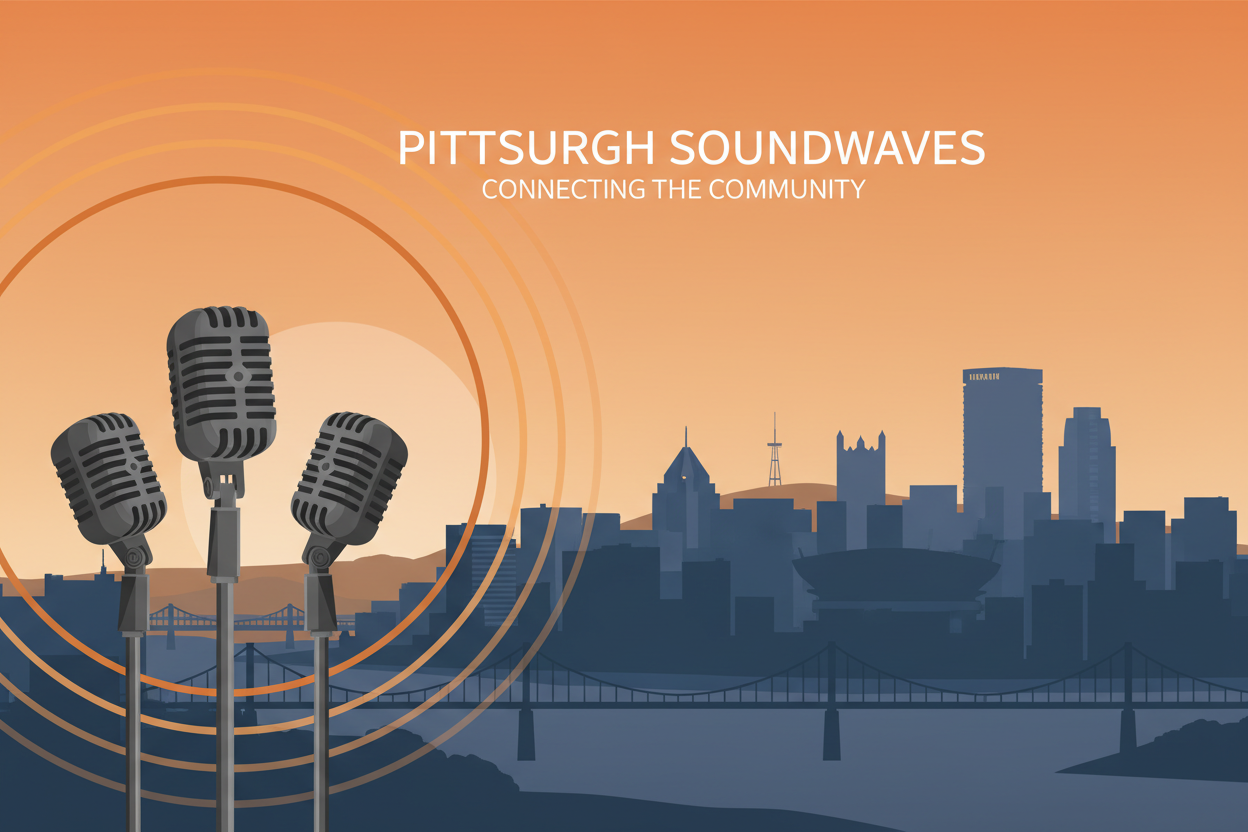
In the heart of Pennsylvania, where steel once shaped the skyline and music continues to shape the soul, a remarkable digital revolution is quietly transforming how communities connect. The Pittsburgh Audio Network represents more than just another technological advancement – it’s a testament to the power of sound in bringing people together, fostering creativity, and preserving the rich cultural tapestry that makes the Steel City unique.
Sound has always been the invisible thread that weaves communities together. From the echo of church bells calling neighbors to worship, to the rhythmic clanging of industrial machinery that once defined Pittsburgh’s identity, audio has served as both messenger and memory keeper. Today, as we navigate an increasingly digital world, innovative audio networks are reimagining how we share stories, celebrate culture, and build lasting connections within our communities.
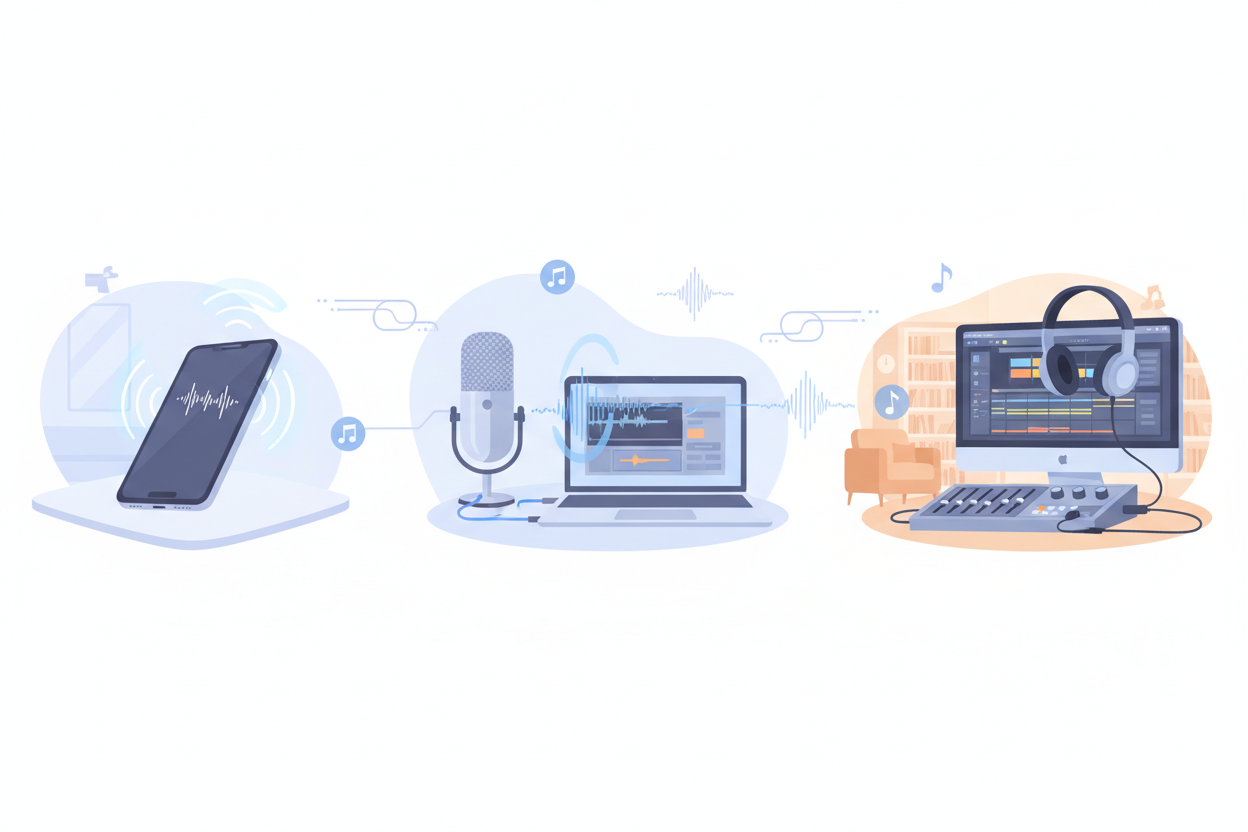
The Evolution of Community Audio in Pittsburgh
Pittsburgh’s relationship with sound runs deeper than most cities realize. The industrial heritage that shaped this region created a unique acoustic landscape – one where the symphony of steel mills harmonized with the melodies emerging from neighborhood porches and community centers. This rich audio tradition didn’t disappear when the mills closed; instead, it evolved, adapted, and found new expressions through modern technology.
The emergence of community-focused audio networks in Pittsburgh reflects a broader understanding that meaningful connections often happen through shared listening experiences. Whether it’s a grandmother sharing family recipes over a neighborhood podcast, local historians preserving oral traditions, or emerging musicians finding their first audiences, these platforms recognize that every voice has value and every story deserves to be heard.
What makes Pittsburgh’s approach particularly compelling is how it embraces both the city’s industrial past and its innovative future. The same collaborative spirit that built bridges and skyscrapers now builds digital bridges between diverse communities, creating spaces where different neighborhoods, generations, and cultures can share their unique perspectives through the universal language of sound.
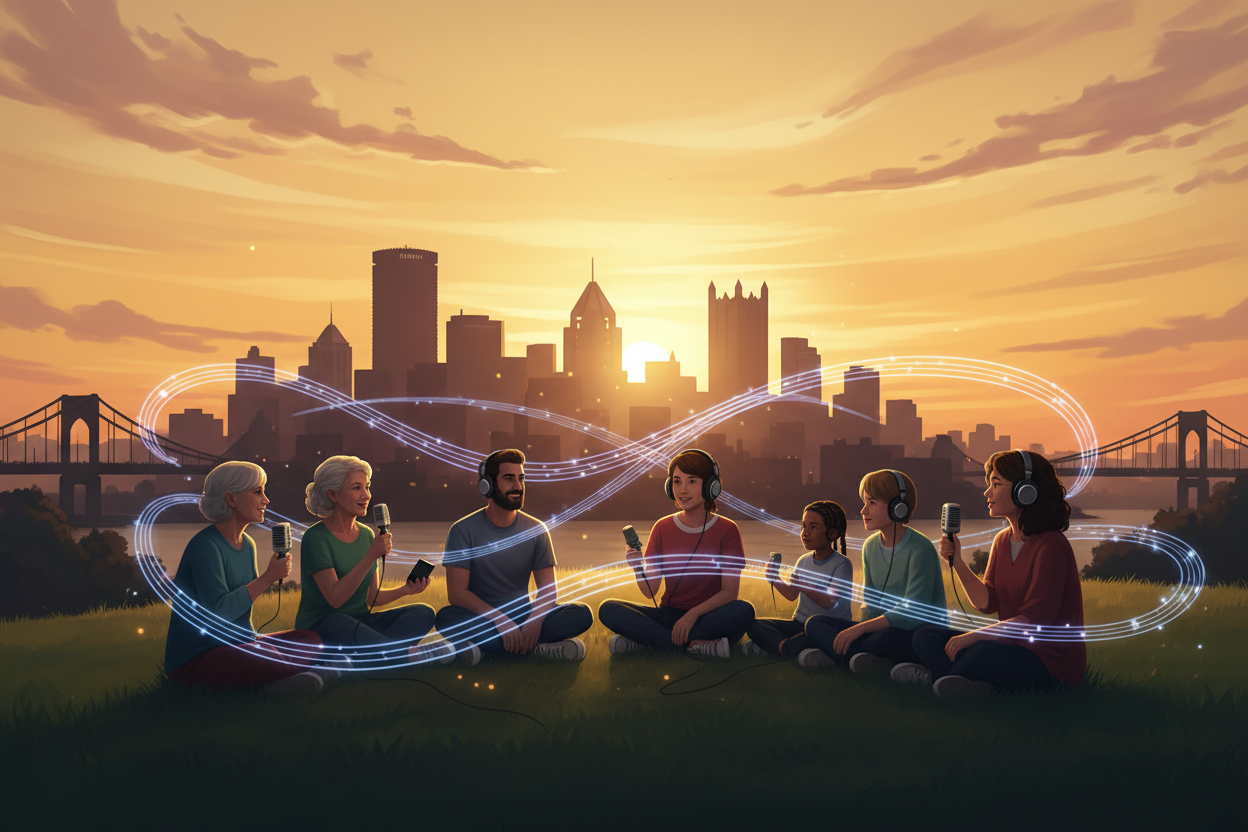
How Audio Networks Foster Local Connections
Building genuine community connections requires more than just proximity – it demands understanding, empathy, and shared experiences. Audio networks excel at creating these deeper bonds because listening is inherently intimate. When we hear someone’s voice, we connect with their emotions, their passion, and their humanity in ways that text-based communication simply cannot match.
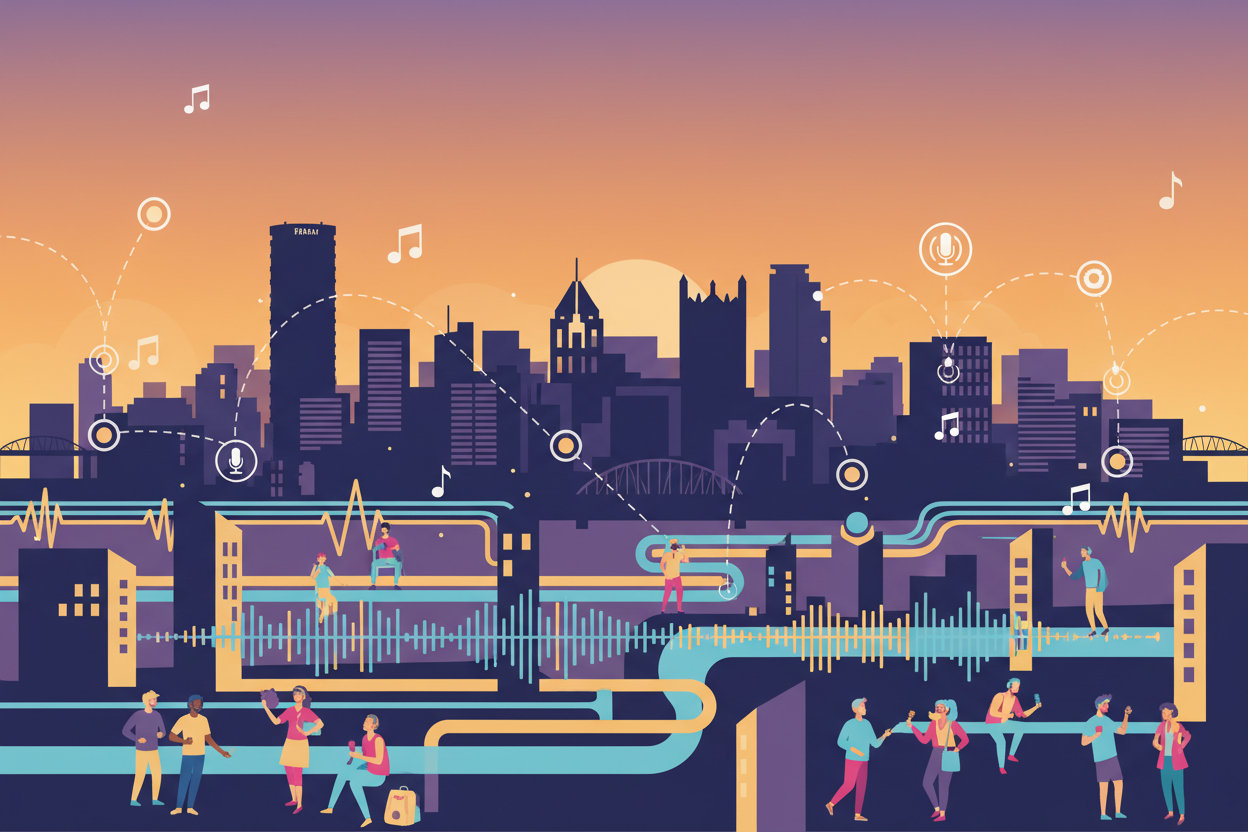
Local audio networks serve as digital town squares where neighbors who might never cross paths in their daily lives can discover common interests, shared challenges, and mutual support systems. A retired teacher from Squirrel Hill might find herself mentoring a young entrepreneur from Lawrenceville through a community podcast series. A recent immigrant sharing their cultural traditions through audio stories might inspire longtime residents to explore their own family histories.
These platforms also break down traditional barriers that often prevent meaningful community engagement. Geographic distance, mobility challenges, work schedules, and social anxiety can all make traditional community involvement difficult. Audio networks offer flexible, accessible alternatives that meet people where they are, when they’re available, and in ways that feel comfortable and authentic.
The asynchronous nature of many audio platforms means conversations can span days, weeks, or even months, allowing for more thoughtful exchanges and deeper reflection. This slower, more deliberate pace of interaction often leads to more meaningful relationships than the rapid-fire exchanges common on other social media platforms.
Supporting Local Artists and Creators
Pittsburgh has always been a city of makers, and today’s audio networks are providing unprecedented opportunities for local artists and creators to share their work, build audiences, and connect with collaborators. The democratization of audio production and distribution means that anyone with a smartphone and a story can become a content creator, reaching audiences both locally and globally.
Musicians who once struggled to book venues or afford studio time can now record, produce, and distribute their work directly to listeners. Poets can share their verses with intimate audiences who appreciate the nuances of spoken word. Storytellers can craft audio experiences that transport listeners to different times, places, and perspectives.
Perhaps more importantly, these platforms are creating new economic opportunities for creative professionals. Voice actors, audio engineers, podcast producers, and sound designers are finding steady work as demand for quality audio content continues to grow. Local businesses are discovering the power of audio marketing, creating opportunities for creative partnerships between artists and entrepreneurs.
The collaborative nature of audio production also encourages cross-pollination between different artistic disciplines. A local historian might partner with a musician to create an audio documentary about Pittsburgh’s jazz scene. A community organizer might work with a poet to produce spoken word pieces about social justice. These collaborations not only result in compelling content but also strengthen the creative ecosystem throughout the region.
Preserving Pittsburgh’s Rich Cultural Heritage
Every community has stories worth preserving, but too often these narratives disappear with the people who lived them. Audio networks are proving to be powerful tools for cultural preservation, capturing not just the facts of local history but the voices, emotions, and personal experiences that bring those stories to life.
Oral history projects facilitated through community audio networks are documenting everything from the experiences of steelworkers and their families to the evolution of Pittsburgh’s neighborhoods through decades of change. These aren’t just academic exercises – they’re living archives that help current residents understand how their communities developed and what challenges and triumphs shaped the places they call home.
The preservation efforts extend beyond formal history to include cultural traditions, family stories, and community wisdom that might otherwise be lost. Grandparents are recording lullabies and folk tales for future generations. Community elders are sharing practical knowledge about everything from traditional cooking techniques to neighborhood navigation tips that newcomers find invaluable.
Language preservation represents another crucial aspect of this cultural work. Pittsburgh’s diverse immigrant communities are using audio platforms to maintain connections to their linguistic heritage while also documenting the unique ways different languages have influenced local dialects and expressions.
Technology Meets Tradition: The Tools Behind Community Audio
The success of community audio networks depends largely on making sophisticated technology accessible to everyday users. The best platforms combine professional-grade capabilities with user-friendly interfaces that don’t intimidate newcomers to audio production.
Modern audio networks leverage cloud-based storage and streaming technologies that ensure content remains accessible while protecting creators’ intellectual property rights. Advanced compression algorithms mean that high-quality audio can be shared efficiently, even in areas with limited bandwidth infrastructure.
Artificial intelligence and machine learning are beginning to play important roles in content discovery and community building. Smart recommendation systems help listeners find content that matches their interests while introducing them to creators and topics they might not have discovered otherwise. Automated transcription services are making audio content more accessible to hearing-impaired community members.
Perhaps most importantly, these technological advances are happening behind the scenes, allowing community members to focus on what matters most: creating, sharing, and connecting. The tools are becoming invisible, enabling authentic human interactions rather than getting in the way of them.
Building Bridges Across Diverse Communities
Pittsburgh’s strength has always been its diversity – of neighborhoods, cultures, economic backgrounds, and perspectives. Audio networks are proving particularly effective at building bridges between different community segments because they emphasize listening and understanding rather than debate and division.
Cross-cultural exchange programs facilitated through audio platforms are helping residents learn about traditions, challenges, and celebrations in communities different from their own. A series featuring conversations between longtime African American residents and recent Latino immigrants might reveal shared experiences of community building and economic struggle, fostering empathy and mutual support.
Intergenerational programming represents another powerful application of community audio networks. Young people are interviewing elders about their life experiences, while older residents are learning about contemporary challenges facing younger generations. These exchanges often reveal that despite surface differences, fundamental human concerns and values remain remarkably consistent across age groups.
The audio format seems particularly well-suited to these bridge-building efforts because it focuses attention on voices and stories rather than visual cues that might trigger unconscious biases. When we listen to someone speak passionately about their community, their family, or their dreams, we connect with their humanity first and their differences second.
The Future of Community-Driven Audio Networks
As technology continues to evolve and community needs change, audio networks are positioned to play increasingly important roles in local civic life. Integration with smart city initiatives could enable more responsive community services, while partnerships with educational institutions could support lifelong learning opportunities.
The growing popularity of audio content consumption suggests that these platforms will continue expanding their reach and influence. Podcast listenership has exploded in recent years, and younger generations are particularly drawn to audio content that they can consume while multitasking or commuting.
Virtual and augmented reality technologies may soon add new dimensions to community audio experiences. Imagine walking through a historic Pittsburgh neighborhood while listening to stories from former residents, or attending virtual community meetings where participants from across the city can interact as if they were in the same room.
Sustainability and accessibility will likely drive future developments in community audio networks. Solar-powered recording equipment could enable content creation in underserved areas, while improved accessibility features will ensure that community members with various disabilities can fully participate in audio-based community building.
Getting Involved: Your Voice Matters
The beauty of community audio networks lies in their democratic nature – everyone has something valuable to contribute, regardless of their technical expertise or professional background. Getting started is often as simple as downloading an app, creating a profile, and beginning to listen to what others in your community are sharing.
For those interested in creating content, many platforms offer tutorials and support resources to help newcomers develop their audio production skills. Local libraries and community centers often provide access to recording equipment and editing software for residents who want to experiment with audio creation.
Community organizations, schools, and local businesses can play crucial roles in promoting and supporting audio network initiatives. Sponsoring community storytelling events, providing meeting spaces for audio production workshops, or simply spreading awareness about local audio content can significantly impact these platforms’ success and reach.
The most important step is simply beginning to participate. Whether you’re sharing your own stories, listening to your neighbors’ experiences, or helping others navigate the technology, your involvement strengthens the entire community network and ensures that diverse voices continue to be heard and valued.
Pittsburgh’s audio network represents more than just technological innovation – it embodies the city’s enduring commitment to community, creativity, and connection. As we move forward into an increasingly digital future, these platforms remind us that technology’s greatest power lies not in replacing human relationships but in enhancing and expanding them. Through the simple act of sharing and listening to each other’s stories, we’re building stronger, more inclusive communities one voice at a time.
Frequently Asked Questions
What equipment do I need to participate in community audio networks?
Most community audio platforms are designed to work with basic equipment that many people already own. A smartphone with a decent microphone is often sufficient for getting started. For higher quality recordings, you might consider investing in an external microphone, but this isn’t necessary for casual participation. Many community centers and libraries also provide access to recording equipment for residents.
How do I ensure my privacy and safety when participating in audio networks?
Reputable community audio platforms prioritize user safety and privacy. Look for platforms that allow you to control who can access your content, offer reporting mechanisms for inappropriate behavior, and provide clear privacy policies. You can also choose to participate anonymously or use a pseudonym if you prefer not to share your real identity.
Can I monetize content I create for community audio networks?
This depends on the specific platform and your content type. Some networks offer revenue-sharing programs for popular creators, while others focus purely on community building without monetary compensation. Many creators find value in the networking opportunities, skill development, and community connections that come from participation, even without direct financial rewards.
How can local businesses get involved with community audio networks?
Local businesses can support community audio networks through sponsorships, providing meeting spaces for recording events, featuring local audio content in their establishments, or creating their own business-focused audio content that serves the community. Many businesses find that authentic community involvement through audio platforms helps them build stronger customer relationships.
What types of content work best on community audio networks?
The most successful community audio content tends to be authentic, locally relevant, and engaging. This includes personal stories, local history, community interviews, cultural celebrations, educational content, and discussions about local issues. The key is creating content that resonates with your specific community while remaining accessible to newcomers.
LIVE PITTSBURGH RADIO
BOOKMARK RadioPGH!!