The Voice of Pittsburgh: How Local Radio Shapes City Identity
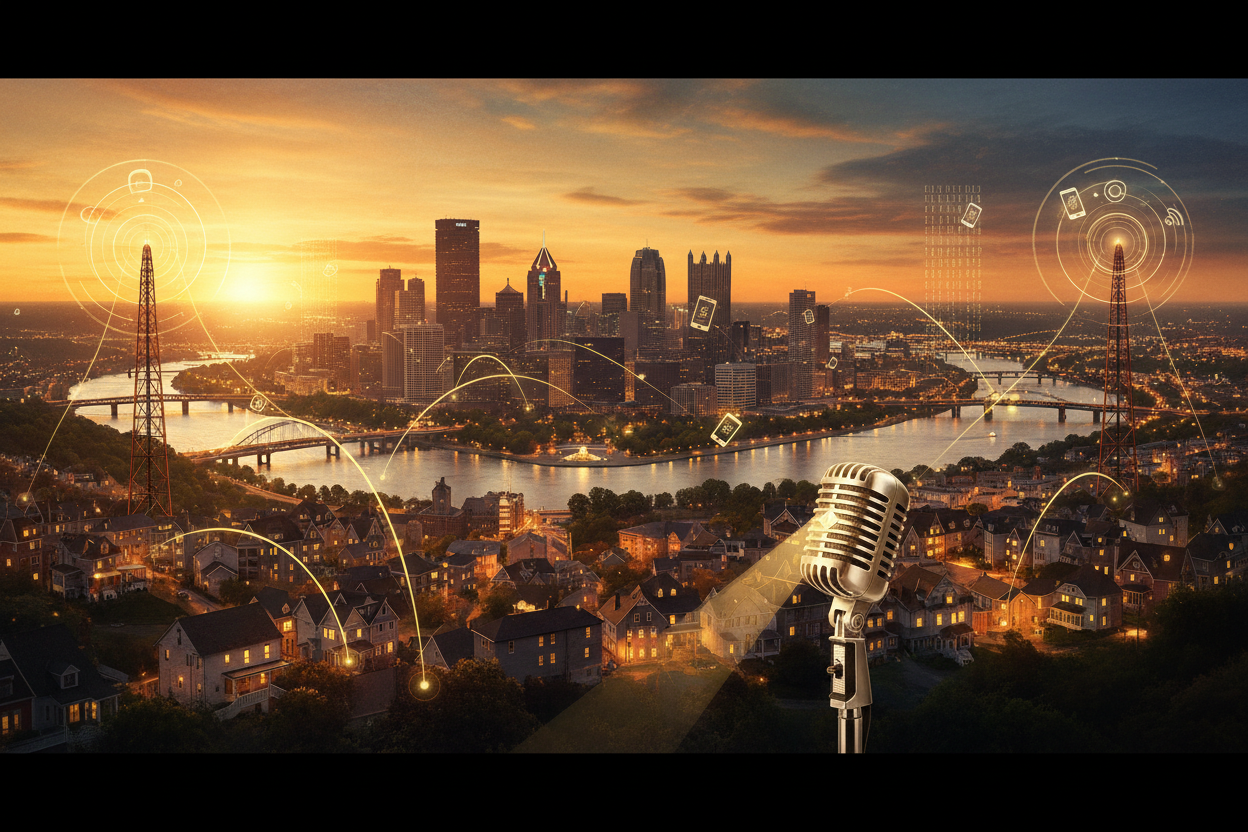
Turn on any radio in Pittsburgh, and you’ll immediately understand something special about this city. The voices crackling through the airwaves don’t just deliver music and news – they carry the soul of Steel City itself. From the distinctive Pittsburghese accent to the passionate discussions about the Steelers’ latest game, local radio has been weaving the fabric of Pittsburgh’s identity for nearly a century.
In an era where streaming services and podcasts dominate the audio landscape, Pittsburgh’s radio stations continue to serve as the heartbeat of the community. They’re more than entertainment outlets; they’re cultural institutions that reflect, shape, and preserve what makes Pittsburgh uniquely Pittsburgh. Whether you’re a lifelong yinzer or a newcomer trying to understand the city’s rhythm, local radio offers an authentic window into the Steel City’s character.
The Historical Foundation of Pittsburgh Radio
Pittsburgh’s radio story began in 1920 with KDKA, which holds the distinction of being America’s first commercial radio station. Broadcasting from a small shack atop a Westinghouse building in East Pittsburgh, KDKA’s inaugural transmission covered the Harding-Cox presidential election results. This wasn’t just a technological milestone – it was the birth of a medium that would fundamentally change how communities connect and communicate.
The early days of Pittsburgh radio were marked by experimentation and community spirit. Local businessmen, churches, and civic organizations recognized radio’s potential to reach neighbors across the sprawling industrial landscape. As steel mills operated around the clock, radio provided a constant companion for shift workers and families alike, creating shared experiences that transcended neighborhood boundaries.
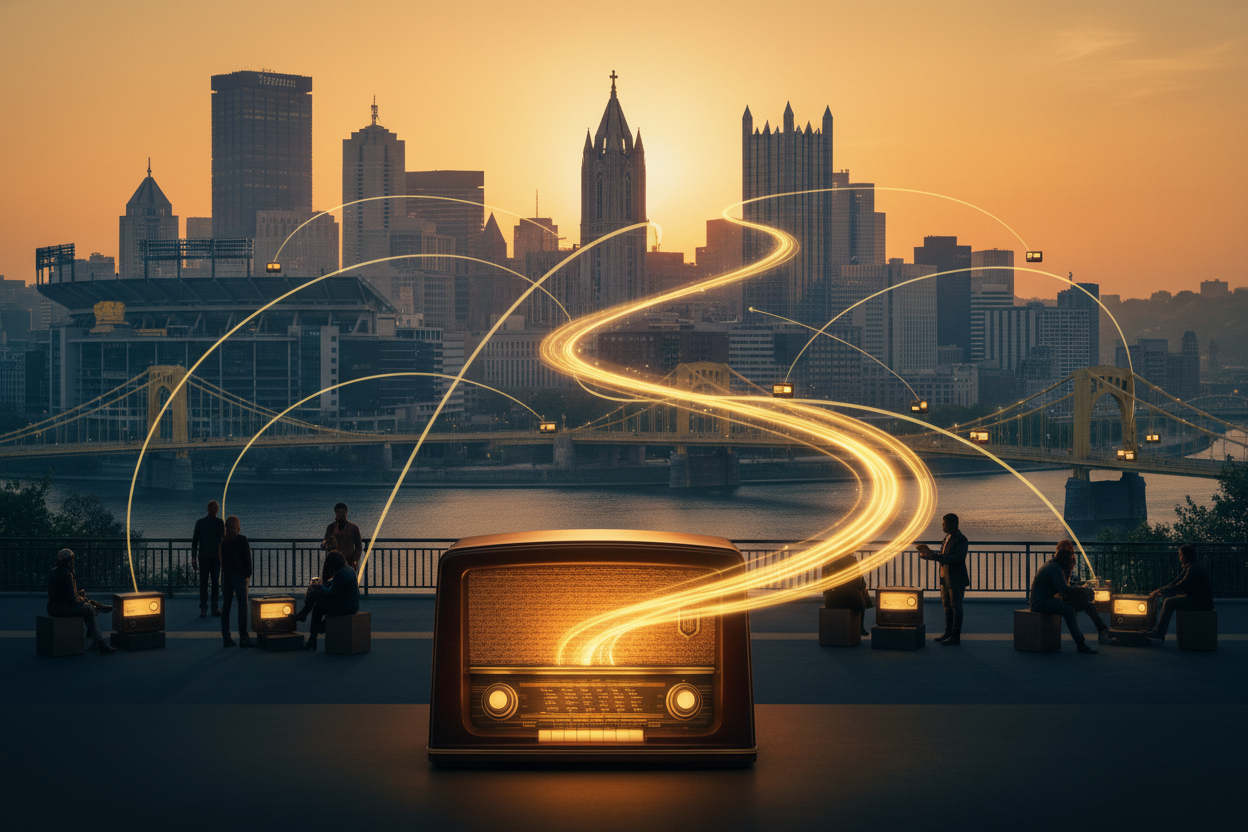
During the Great Depression and World War II, Pittsburgh radio stations became lifelines for the community. They delivered crucial news updates, provided comfort during difficult times, and maintained morale through entertainment programming. The voices on the radio weren’t distant celebrities – they were neighbors, friends, and familiar presences who understood the unique challenges facing Pittsburgh families.
Sports Broadcasting: The Heartbeat of Pittsburgh Radio
Nothing defines Pittsburgh radio quite like sports coverage. The city’s passionate relationship with the Steelers, Pirates, and Penguins has created a radio culture where sports aren’t just entertainment – they’re a way of life. Local sports talk shows have become forums for community discussion, where callers debate everything from coaching decisions to draft picks with the intensity of city council meetings.
Legendary broadcasters like Myron Cope, with his distinctive “terrible towel” and colorful commentary, didn’t just call games – they created cultural phenomena. Cope’s unique style and deep connection to the community made him more than a broadcaster; he became a symbol of Pittsburgh itself. His influence extended far beyond the radio booth, shaping how Pittsburghers talk about their teams and express their civic pride.
Today’s sports radio personalities continue this tradition, serving as unofficial ambassadors for Pittsburgh’s sports culture. They understand that discussing the Steelers’ offensive line isn’t just about football – it’s about community identity, shared hopes, and collective experiences that bind the region together. The passion in their voices reflects the passion of their listeners, creating an authentic dialogue that streaming services simply cannot replicate.
Music and Cultural Programming: Preserving Local Heritage
Pittsburgh’s radio landscape has always been a melting pot of musical influences, reflecting the city’s diverse cultural heritage. From polka programs serving the substantial Polish-American community to soul and R&B shows celebrating African-American culture, local radio has provided platforms for voices and music that might otherwise go unheard.
The city’s rock and alternative music scenes have been particularly well-served by local radio. Stations have championed local bands, providing crucial exposure for emerging artists and maintaining connections to Pittsburgh’s musical roots. When national acts visit the city, local radio personalities often conduct interviews that reveal personal connections and shared experiences, making global entertainment feel local and accessible.
Folk and traditional music programming has played a crucial role in preserving Pittsburgh’s cultural heritage. Shows featuring Appalachian music, ethnic folk traditions, and local singer-songwriters help maintain connections to the region’s roots while introducing younger generations to their musical inheritance. These programs serve as living archives, preserving cultural knowledge that might otherwise be lost.
Community Connection Through Local Radio Personalities
The magic of Pittsburgh radio lies in its personalities – the voices that become as familiar as family members. Local DJs and talk show hosts develop deep relationships with their audiences, sharing personal stories, celebrating community achievements, and providing comfort during difficult times. They remember listeners’ names, follow up on personal situations, and create genuine connections that transcend the traditional broadcaster-audience relationship.
Morning show hosts, in particular, become part of listeners’ daily routines. They wake up with Pittsburgh, sharing traffic updates, weather forecasts, and local news while maintaining the conversational tone of neighbors chatting over the fence. Their humor, insights, and genuine care for the community create a sense of belonging that helps define what it means to be a Pittsburgher.
During crisis situations, local radio personalities often become community leaders. Whether it’s severe weather, economic challenges, or public safety concerns, they provide reliable information while maintaining the calm, reassuring presence that helps communities navigate uncertainty. Their local knowledge and established trust make them invaluable resources during times when accurate, timely information is crucial.
News and Information: Keeping Pittsburgh Informed
Local radio news has adapted remarkably well to the digital age, providing immediate, relevant information that serves Pittsburgh’s specific needs. While national news outlets cover broad trends and major events, local radio focuses on the stories that directly impact listeners’ daily lives – from road construction updates to school board decisions to local business developments.
The immediacy of radio makes it particularly valuable for breaking news and emergency information. When severe weather threatens the region or major accidents affect traffic patterns, local radio provides real-time updates that help residents make informed decisions. This service is especially crucial in a city like Pittsburgh, where challenging geography and complex traffic patterns can significantly impact daily routines.
Political coverage on local radio often reflects the city’s pragmatic approach to governance. Rather than focusing on partisan rhetoric, local stations tend to emphasize practical issues like infrastructure development, economic opportunities, and quality-of-life concerns. This approach helps foster informed civic engagement while maintaining the community focus that defines Pittsburgh radio.
The Digital Age Challenge: Adapting While Maintaining Identity
Pittsburgh radio has faced significant challenges in the digital era, but many stations have successfully adapted while preserving their essential character. Streaming capabilities, podcast production, and social media integration have expanded reach while maintaining the local focus that makes these stations valuable to their communities.
The key to successful adaptation has been understanding that technology should enhance, not replace, the human connections that define local radio. Stations that have thrived in the digital age use new platforms to deepen community engagement rather than simply broadcasting to a wider audience. They create opportunities for listener interaction, share behind-the-scenes content, and use social media to extend conversations beyond traditional broadcast hours.
However, the challenge remains significant. Younger generations often prefer on-demand content and personalized playlists over traditional radio programming. Pittsburgh stations have responded by creating more interactive programming, developing targeted content for different demographics, and emphasizing the unique local perspective that streaming services cannot provide.
Looking Forward: The Future of Pittsburgh Radio
The future of Pittsburgh radio depends on its ability to maintain relevance while preserving the authentic local character that has always been its greatest strength. Successful stations will likely be those that continue emphasizing community connection, local expertise, and genuine engagement with Pittsburgh’s unique culture and concerns.
Emerging technologies offer new opportunities for innovation while maintaining local focus. Podcast production, enhanced streaming capabilities, and improved mobile applications can help stations reach audiences in new ways while preserving the intimate, community-centered approach that defines Pittsburgh radio.
The next generation of Pittsburgh radio personalities will need to understand both traditional broadcasting skills and digital engagement strategies. They’ll need to maintain the authentic, conversational style that has always characterized local radio while adapting to new platforms and changing listener expectations.
Frequently Asked Questions
What makes Pittsburgh radio different from radio in other cities?
Pittsburgh radio is characterized by its deep community connections, passionate sports coverage, and authentic local personalities who genuinely understand and reflect the city’s unique culture. The distinctive Pittsburgh accent, local references, and focus on regional concerns create a radio landscape that feels genuinely local rather than generic.
How has Pittsburgh radio adapted to competition from streaming services?
Local stations have emphasized their unique advantages: immediate local information, community connections, and authentic regional personality. Many have expanded into podcasting, enhanced their digital presence, and focused on interactive programming that streaming services cannot replicate.
Which Pittsburgh radio stations are most important for understanding local culture?
While preferences vary, stations with strong local programming, sports coverage, and community engagement typically offer the best insights into Pittsburgh culture. Sports talk stations, local news outlets, and stations featuring local music and personalities provide authentic perspectives on city life.
How do Pittsburgh radio personalities become so connected to their communities?
Many local radio personalities are long-term residents who genuinely understand and care about the community. They attend local events, support regional causes, and maintain ongoing relationships with listeners. This authentic engagement creates trust and connection that goes beyond traditional broadcasting.
What role does Pittsburgh radio play during emergencies or major events?
Local radio serves as a crucial information source during emergencies, providing real-time updates, safety information, and community coordination. The established trust between stations and listeners makes radio particularly valuable during crisis situations when reliable, immediate information is essential.
Pittsburgh radio remains a vital force in shaping and reflecting the city’s identity. As technology continues evolving, the most successful stations will be those that embrace innovation while maintaining the authentic community connections that have always been their greatest strength. In a world of endless digital options, the human voice of local radio continues to offer something irreplaceable: a genuine connection to place, community, and shared identity that makes Pittsburgh more than just a city – it makes it home.
LIVE PITTSBURGH RADIO
BOOKMARK RadioPGH!!