Pittsburgh Sports Legends: Honoring the Greats on Radio
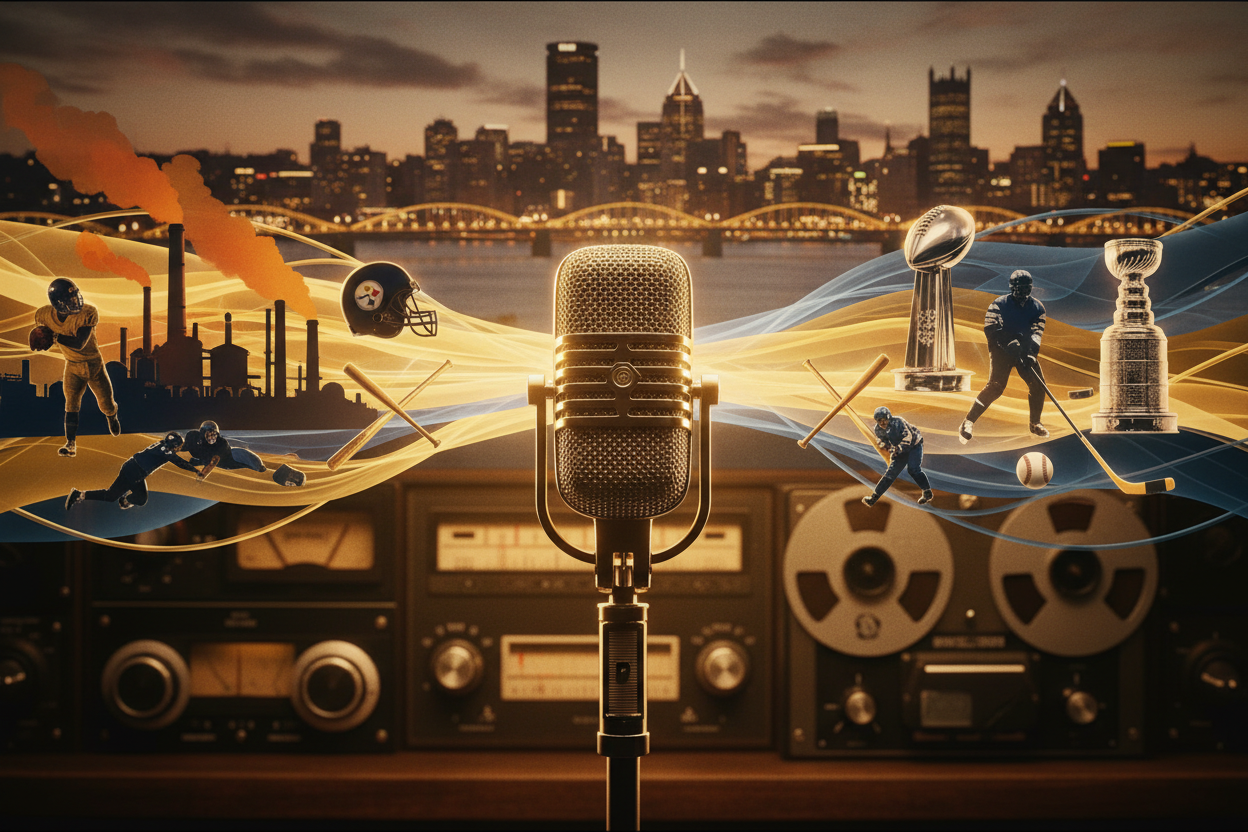
There’s something magical about listening to Pittsburgh sports on the radio. The crackling energy of a Steelers touchdown call, the breathless excitement of a Penguins playoff goal, or the nostalgic warmth of a Pirates home run echoing through Three Rivers Stadium – these moments live forever in the hearts of Steel City fans. Radio has been the soundtrack to Pittsburgh’s greatest sporting achievements, and the legendary voices behind the microphone have become as iconic as the athletes they’ve chronicled.
For over eight decades, Pittsburgh sports radio has captured the essence of what makes this city’s athletic culture so special. From the golden age of steel production to the modern era of championship dynasties, radio broadcasters have been our constant companions, painting vivid pictures of triumph, heartbreak, and everything in between. Today, we celebrate these vocal legends who’ve made Pittsburgh sports history come alive through the airwaves.
The Golden Voices of Pittsburgh Sports Broadcasting
Pittsburgh’s radio broadcasting legacy reads like a hall of fame roster. These weren’t just announcers – they were storytellers, historians, and the emotional heartbeat of an entire city’s sporting soul. Each brought their own unique style and personality to the booth, creating lasting memories that span generations of fans.
The beauty of radio broadcasting lies in its intimacy. Unlike television, radio requires announcers to be the eyes and ears for their audience, crafting detailed narratives that transport listeners directly into the stadium. Pittsburgh’s legendary broadcasters mastered this art form, developing signature calls and catchphrases that became part of the city’s cultural fabric.
Myron Cope: The Voice That Defined Pittsburgh Football
When discussing Pittsburgh sports radio legends, any conversation must begin with Myron Cope. His nasally, high-pitched voice became synonymous with Steelers football for over three decades. Cope didn’t just call games – he embodied the blue-collar spirit of Pittsburgh itself.
Cope’s most famous contribution to Pittsburgh sports culture was the creation of the Terrible Towel in 1975. What started as a simple promotional idea became the most recognized fan symbol in professional sports. His enthusiastic calls of “Here we go, Steelers, here we go!” and his colorful commentary made every broadcast feel like a neighborhood conversation.
Beyond his on-air persona, Cope was a master interviewer who could make anyone comfortable. His pre-game and post-game shows featured candid conversations with players, coaches, and fans that revealed the human side of professional sports. He understood that Pittsburgh fans didn’t just want statistics – they wanted stories, emotion, and authentic connection to their team.
Bob Prince: The Gunner’s Legendary Pirates Commentary
Bob Prince earned the nickname “The Gunner” for his rapid-fire delivery and colorful expressions during Pittsburgh Pirates broadcasts from 1948 to 1975. Prince transformed baseball radio into entertainment, creating a unique vocabulary that included phrases like “Kiss it goodbye!” for home runs and “We had ’em all the way!” after comeback victories.
Prince’s partnership with color commentator Jim Woods created one of baseball’s most beloved broadcast teams. Together, they called some of the most memorable moments in Pirates history, including the 1960 World Series championship and Roberto Clemente’s 3,000th hit. Prince had an uncanny ability to build suspense even during routine plays, making every at-bat feel significant.
What set Prince apart was his genuine love for the game and his deep connection to Pittsburgh. He understood that Pirates baseball was more than entertainment – it was a shared experience that brought families and communities together. His broadcasts became the soundtrack to summer afternoons throughout Western Pennsylvania.
Mike Lange: Painting Pictures with Penguins Play-by-Play
Hockey moves fast, but Mike Lange’s legendary calls moved even faster. For over four decades, Lange has been the voice of Pittsburgh Penguins hockey, creating some of the most memorable calls in sports broadcasting history. His rapid-fire delivery and creative expressions have made him a beloved figure among hockey fans worldwide.
Lange’s signature phrases like “Scratch my back with a hacksaw!” and “Buy Sam a drink and get his dog one too!” became part of Pittsburgh’s hockey lexicon. His ability to capture the speed and intensity of hockey while maintaining clarity and excitement is unmatched in sports broadcasting.
During the Penguins’ championship runs in 1991, 1992, 2009, 2016, and 2017, Lange’s calls became the definitive soundtrack to Pittsburgh’s hockey glory. His emotional investment in the team’s success resonated with fans who felt like they were experiencing history alongside a trusted friend.
The Art of Sports Radio Storytelling
What made Pittsburgh’s radio legends so special wasn’t just their technical skill – it was their understanding of storytelling. They recognized that sports broadcasting is fundamentally about narrative: the underdog’s journey, the veteran’s last stand, the rookie’s breakthrough moment.
These broadcasters developed relationships with their audience that extended far beyond game day. They became trusted voices during difficult times, celebrating victories as if they were family members and consoling fans during defeats. This emotional connection created loyalty that lasted generations, with many Pittsburgh families passing down their favorite broadcasters like cherished heirlooms.
The best Pittsburgh sports radio personalities also understood the city’s unique character. They spoke the language of steel workers, teachers, and small business owners. They celebrated hard work, authenticity, and perseverance – values that define Pittsburgh’s identity both on and off the field.
Modern Voices Carrying the Torch
While honoring the legends of the past, it’s important to recognize the current generation of Pittsburgh sports radio personalities who continue this proud tradition. Broadcasters like Josh Getzoff, Phil Bourque, and Steve Blass have maintained the high standards set by their predecessors while adding their own unique perspectives.
Today’s sports radio landscape faces different challenges, including competition from streaming services, podcasts, and social media. However, the fundamental appeal of radio broadcasting remains unchanged: the intimate connection between broadcaster and listener, the shared experience of following a team through triumph and adversity.
Modern Pittsburgh sports radio has also embraced technology while maintaining its storytelling roots. Enhanced audio quality, instant replay capabilities, and real-time statistics have improved the listening experience without sacrificing the personal touch that makes radio special.
The Cultural Impact Beyond the Games
Pittsburgh sports radio legends have influenced the city’s culture in ways that extend far beyond athletics. Their catchphrases have become part of local vocabulary, their broadcasting styles have influenced other media personalities, and their community involvement has strengthened Pittsburgh’s social fabric.
Many of these broadcasters became civic leaders, using their platforms to support local charities, promote community events, and advocate for important causes. They understood that their influence carried responsibility, and they used their voices to make Pittsburgh a better place for everyone.
The economic impact of quality sports broadcasting shouldn’t be underestimated either. Engaging radio coverage helps build fan loyalty, increases attendance, and strengthens the emotional bonds that make professional sports franchises valuable community assets.
Preserving the Legacy for Future Generations
As we celebrate Pittsburgh’s radio sports legends, it’s crucial to preserve their contributions for future generations. Many classic broadcasts have been archived, allowing new fans to experience historic moments through the voices that originally called them.
Educational initiatives, museum exhibits, and digital preservation efforts help ensure that these broadcasting treasures remain accessible. Young broadcasters can study the techniques, timing, and storytelling methods that made their predecessors legendary.
The Pittsburgh sports radio tradition continues to evolve, but its core mission remains constant: bringing fans closer to the teams they love while creating lasting memories that transcend individual games or seasons.
Conclusion
Pittsburgh sports legends on radio have given us more than just play-by-play commentary – they’ve provided the soundtrack to our most cherished sporting memories. From Myron Cope’s passionate Steelers calls to Bob Prince’s colorful Pirates descriptions and Mike Lange’s rapid-fire Penguins coverage, these voices have become inseparable from Pittsburgh’s athletic identity.
Their legacy lives on not just in archived broadcasts, but in the countless fans who learned to love sports through their storytelling. They taught us that sports broadcasting is an art form that requires technical skill, emotional intelligence, and deep understanding of community values.
As Pittsburgh continues to celebrate its rich sporting heritage, these radio legends remind us that the best broadcasters don’t just call games – they create connections, build communities, and help write the ongoing story of what it means to be a Pittsburgh sports fan. Their voices may have been silenced by time, but their impact on Steel City sports culture will echo forever.
Frequently Asked Questions
Who is considered the most legendary Pittsburgh sports radio broadcaster?
While opinions vary among fans, Myron Cope is often cited as the most iconic Pittsburgh sports radio broadcaster. His 35-year tenure calling Steelers games, creation of the Terrible Towel, and distinctive voice made him synonymous with Pittsburgh football culture.
What made Bob Prince’s baseball broadcasting style unique?
Bob Prince, known as “The Gunner,” was famous for his rapid-fire delivery, creative expressions, and colorful commentary. His phrases like “Kiss it goodbye!” and “We had ’em all the way!” became part of Pittsburgh’s baseball vocabulary and made routine plays sound exciting.
How long has Mike Lange been broadcasting Penguins games?
Mike Lange has been the voice of Pittsburgh Penguins hockey for over 40 years, beginning his tenure in the late 1970s. His longevity and creative play-by-play calls have made him one of hockey’s most respected broadcasters.
Are there archives of classic Pittsburgh sports radio broadcasts available?
Yes, many classic Pittsburgh sports radio broadcasts have been preserved and are available through various sources including the Pittsburgh Sports Broadcasting Archives, team websites, and digital collections at local libraries and museums.
What qualities made Pittsburgh sports radio broadcasters so memorable?
Pittsburgh’s legendary sports radio broadcasters combined technical expertise with storytelling ability, emotional investment in their teams, and deep understanding of the city’s blue-collar culture. They created personal connections with listeners and developed signature styles that reflected Pittsburgh’s unique character.
LIVE PITTSBURGH RADIO
BOOKMARK RadioPGH!!