
Mindfulness and Meditation: Powerful Tools for Self-Improvement and Personal Growth
In our fast-paced, digitally connected world, finding moments of peace and clarity has become more challenging than ever. Between work deadlines, family responsibilities, and the constant buzz of notifications, many of us feel like we’re running on autopilot, disconnected from ourselves and our surroundings. This is where mindfulness and meditation step in as transformative tools for self-improvement, offering a pathway back to inner peace, enhanced focus, and genuine personal growth.
Mindfulness and meditation aren’t just trendy wellness buzzwords – they’re evidence-based practices that have helped millions of people develop greater self-awareness, reduce stress, and cultivate a more fulfilling life. Whether you’re dealing with anxiety, seeking better focus at work, or simply wanting to develop a deeper connection with yourself, these ancient practices offer modern solutions to contemporary challenges.
Understanding Mindfulness: The Art of Present-Moment Awareness
Mindfulness is fundamentally about paying attention to the present moment without judgment. It’s the practice of observing your thoughts, feelings, and sensations as they arise, without getting caught up in them or trying to change them. Think of it as becoming a friendly observer of your own experience rather than being completely absorbed by it.
The beauty of mindfulness lies in its simplicity and accessibility. You don’t need special equipment, a specific location, or hours of free time. You can practice mindfulness while washing dishes, walking to work, or even during a challenging conversation with a colleague. It’s about bringing conscious awareness to whatever you’re doing, transforming routine activities into opportunities for presence and self-discovery.
Research has consistently shown that regular mindfulness practice can lead to significant improvements in mental health, emotional regulation, and overall life satisfaction. Studies indicate that mindfulness can reduce symptoms of anxiety and depression, improve attention span, and even create positive changes in brain structure over time.
Meditation: Your Gateway to Inner Transformation
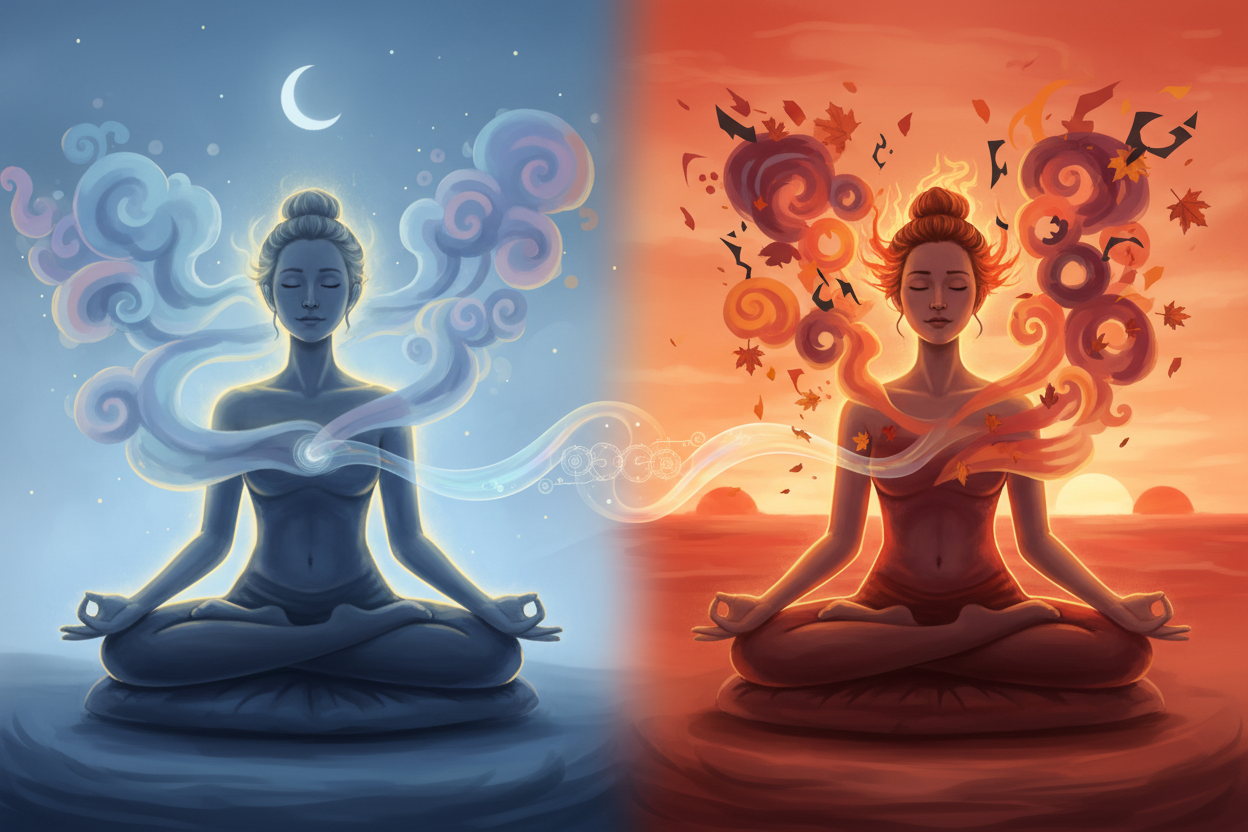
While mindfulness can be practiced throughout daily life, meditation provides a dedicated time and space for deepening this awareness. Meditation is like going to the gym for your mind – it’s a structured practice that strengthens your ability to focus, observe, and remain present.
There are numerous meditation techniques, each offering unique benefits. Breath-focused meditation helps calm the nervous system and improve concentration. Body scan meditation enhances your connection with physical sensations and promotes relaxation. Loving-kindness meditation cultivates compassion and emotional well-being. The key is finding the approach that resonates with you and fits your lifestyle.
Starting a meditation practice doesn’t require perfection or lengthy sessions. Even five minutes of daily meditation can create noticeable changes in your stress levels, sleep quality, and emotional resilience. The goal isn’t to empty your mind completely – that’s nearly impossible – but rather to develop a different relationship with your thoughts and emotions.
The Science Behind Mindfulness and Meditation for Self-Improvement
Modern neuroscience has provided fascinating insights into how mindfulness and meditation actually change the brain. Neuroplasticity research shows that regular meditation practice can increase gray matter density in areas associated with learning, memory, and emotional regulation while decreasing activity in the amygdala, the brain’s fear center.
These neurological changes translate into real-world benefits. Practitioners often report improved decision-making abilities, better stress management, enhanced creativity, and stronger interpersonal relationships. The practice literally rewires your brain for greater well-being and resilience.
Additionally, mindfulness and meditation have been shown to boost immune function, lower blood pressure, and reduce chronic pain. The mind-body connection becomes apparent as mental practices create measurable physical improvements, demonstrating the holistic nature of these self-improvement tools.
Practical Ways to Incorporate Mindfulness into Daily Life
One of the most appealing aspects of mindfulness is its flexibility. You can weave mindful moments throughout your day without dramatically altering your schedule. Start by choosing one routine activity – perhaps your morning coffee or evening commute – and commit to doing it mindfully for a week.
Mindful eating is another accessible entry point. Instead of scrolling through your phone during meals, focus on the flavors, textures, and aromas of your food. Notice how hunger and satisfaction feel in your body. This simple practice can improve digestion, help with weight management, and transform eating from a mindless habit into a nourishing ritual.
Technology can also support your mindfulness journey. Smartphone apps offer guided meditations, mindfulness reminders, and progress tracking. However, remember that the goal is to develop internal awareness rather than external dependence, so use technology as a stepping stone rather than a crutch.
Building a Sustainable Meditation Practice
Creating a lasting meditation practice requires patience, consistency, and self-compassion. Many people start with unrealistic expectations, attempting hour-long sessions and then feeling discouraged when they can’t maintain focus. Instead, begin with just five minutes daily and gradually increase the duration as the practice becomes more natural.
Establishing a regular time and place for meditation helps build the habit. Whether it’s first thing in the morning, during your lunch break, or before bed, consistency matters more than duration. Create a simple ritual around your practice – perhaps lighting a candle, playing soft music, or setting an intention for the session.
Remember that meditation isn’t about achieving a particular state or stopping your thoughts entirely. Some days your mind will feel calm and focused; other days it might be restless and distracted. Both experiences are normal and valuable parts of the journey. The practice lies in noticing whatever arises without judgment and gently returning your attention to your chosen focus point.
Overcoming Common Obstacles and Misconceptions
Many people hesitate to try mindfulness and meditation due to common misconceptions. Some believe they need to be naturally calm or spiritually inclined to benefit from these practices. Others worry about the time commitment or fear they’re “not doing it right.” These concerns are understandable but ultimately unfounded.
Mindfulness and meditation are skills that anyone can develop, regardless of personality type or background. They’re particularly beneficial for busy, stressed individuals who feel like they don’t have time for such practices. The irony is that taking time for mindfulness often creates more mental space and efficiency in other areas of life.
If you find your mind wandering during meditation, that’s not a failure – it’s actually the moment of awakening. Noticing that your attention has drifted and gently redirecting it is the core of the practice. Each time you do this, you’re strengthening your mindfulness muscle.
Long-term Benefits and Personal Transformation
The true power of mindfulness and meditation emerges over time through consistent practice. While some benefits like stress reduction and improved sleep may appear within weeks, deeper transformations often unfold over months and years. Many long-term practitioners report fundamental shifts in how they relate to challenges, relationships, and life’s inevitable ups and downs.
These practices cultivate emotional intelligence, helping you recognize and respond to emotions rather than react impulsively. They develop patience, compassion, and acceptance – qualities that enhance both personal well-being and relationships with others. Over time, you may find yourself naturally making choices that align with your values and long-term happiness rather than short-term impulses.
The self-improvement that comes from mindfulness and meditation isn’t about becoming a different person – it’s about becoming more fully yourself. These practices help you connect with your authentic thoughts, feelings, and desires while developing the wisdom to navigate life’s complexities with greater ease and clarity.
Mindfulness and meditation offer profound tools for self-improvement that are both ancient in wisdom and modern in application. They provide practical methods for managing stress, enhancing focus, and cultivating inner peace in our increasingly complex world. The journey of developing these practices is deeply personal and uniquely rewarding, offering benefits that extend far beyond the meditation cushion into every aspect of daily life.
Starting this journey doesn’t require perfection or extensive preparation – it simply requires a willingness to begin. Whether you have five minutes or an hour, whether you’re seeking stress relief or spiritual growth, mindfulness and meditation can meet you where you are and support your continued evolution. The path of self-improvement through mindful awareness is one of the most valuable investments you can make in your overall well-being and life satisfaction.
Frequently Asked Questions
How long should I meditate as a beginner?
Start with just 5-10 minutes daily. Consistency is more important than duration. As the practice becomes more natural, you can gradually increase the time to 15-20 minutes or longer if desired.
Can I practice mindfulness if I have anxiety or depression?
Yes, mindfulness can be very beneficial for anxiety and depression. However, it’s important to start gently and consider working with a qualified instructor or therapist who can guide you appropriately. Some people may initially find increased awareness challenging, but with proper support, mindfulness often becomes a valuable coping tool.
Do I need to sit in a specific position to meditate?
No, you can meditate sitting in a chair, on a cushion, or even lying down if necessary. The key is finding a position that’s comfortable enough to maintain but alert enough to stay awake. Good posture helps maintain alertness, but don’t worry about achieving perfect positioning.
What’s the difference between mindfulness and meditation?
Mindfulness is a quality of awareness that can be practiced throughout daily life, while meditation is a formal practice that cultivates mindfulness. Think of meditation as training for mindfulness – the focused practice sessions help develop the awareness you can then bring to everyday activities.
How quickly will I see results from mindfulness and meditation?
Some benefits like reduced stress and better sleep may be noticeable within a few weeks of consistent practice. However, deeper changes in emotional regulation, focus, and overall well-being typically develop over several months. Remember that everyone’s experience is unique, and the journey itself is as valuable as the destination.
Is it normal for my mind to wander constantly during meditation?
Absolutely! A wandering mind is completely normal and expected, especially for beginners. The practice isn’t about stopping thoughts but about noticing when your mind has wandered and gently returning attention to your focus point. Each time you notice and redirect your attention, you’re successfully practicing meditation.