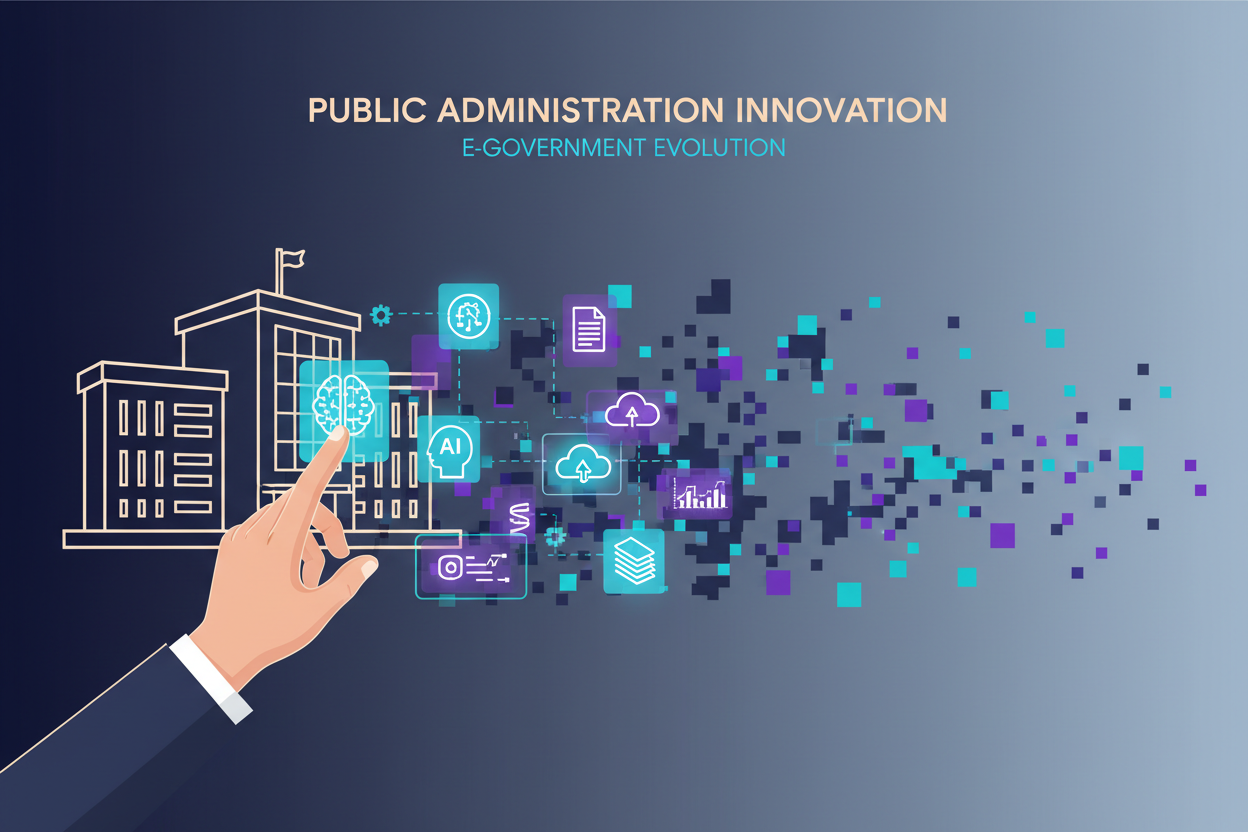
Public Administration Innovations: From AI to E-Government
The landscape of public administration is undergoing a remarkable transformation. Gone are the days when citizens had to stand in long queues at government offices, shuffling through endless paperwork just to renew a license or apply for a permit. Today’s government agencies are embracing cutting-edge technologies to streamline operations, enhance citizen services, and create more transparent, efficient public administration systems.
From artificial intelligence-powered chatbots that answer citizen queries 24/7 to comprehensive e-government platforms that allow everything from tax filing to business registration online, the public sector is finally catching up with the digital revolution. This transformation isn’t just about keeping up with technology trends – it’s about fundamentally reimagining how government serves its people in the 21st century.
The Digital Revolution in Government Services
The shift toward digital government services represents one of the most significant changes in public administration since the advent of modern bureaucracy. Countries worldwide are recognizing that digital transformation isn’t just a nice-to-have feature – it’s an essential component of effective governance in our interconnected world.
Consider Estonia’s digital government initiative, where citizens can access over 99% of government services online. This small Baltic nation has become a global leader in e-governance, demonstrating that with the right approach, governments can deliver services more efficiently while reducing costs and improving citizen satisfaction. The Estonian model shows us that when public administration embraces innovation, everyone wins.
The COVID-19 pandemic accelerated this digital transformation across the globe. Governments that had been hesitant to fully embrace digital solutions suddenly found themselves forced to provide essential services remotely. This crisis became a catalyst for innovation, pushing public administrators to think creatively about service delivery and citizen engagement.
Artificial Intelligence Transforming Public Services
Artificial intelligence is revolutionizing how government agencies operate, making processes faster, more accurate, and more accessible to citizens. AI applications in public administration range from simple chatbots to sophisticated predictive analytics systems that help governments make better policy decisions.

One of the most visible applications of AI in government is the use of intelligent virtual assistants. These AI-powered systems can handle routine citizen inquiries, guide users through complex processes, and provide instant access to information. The city of Boston, for example, uses an AI chatbot to help residents report issues like potholes or broken streetlights, significantly reducing response times and improving city services.
Machine learning algorithms are also being used to detect fraud in government programs, analyze traffic patterns for better urban planning, and even predict which areas might need increased social services. The U.S. Social Security Administration uses AI to process disability claims more efficiently, reducing wait times for citizens who depend on these critical services.
However, implementing AI in government isn’t without challenges. Issues of transparency, accountability, and bias in AI systems require careful consideration. Successful AI implementation in public administration requires robust oversight, clear ethical guidelines, and ongoing monitoring to ensure these systems serve all citizens fairly and effectively.
E-Government Platforms: Making Services Accessible
E-government platforms represent the backbone of modern digital public administration. These comprehensive online portals allow citizens to access multiple government services from a single platform, eliminating the need to visit multiple offices or navigate complex bureaucratic processes.
Singapore’s SingPass digital identity platform exemplifies how e-government can work effectively. Citizens can use a single digital identity to access over 1,400 government services, from filing taxes to applying for housing grants. The platform uses advanced security measures, including biometric authentication, to ensure citizen data remains protected while making services incredibly convenient to access.
The benefits of well-designed e-government platforms extend beyond convenience. They create opportunities for better data collection and analysis, enabling governments to understand citizen needs more effectively and design better policies. When citizens interact with government services digitally, it generates valuable data that can inform evidence-based decision-making.
Mobile-first design has become crucial in e-government development. With smartphone penetration reaching unprecedented levels globally, government services must be accessible on mobile devices. Countries like India have prioritized mobile accessibility in their digital government initiatives, recognizing that many citizens access the internet primarily through smartphones.
Blockchain Technology in Public Administration
Blockchain technology is emerging as a powerful tool for increasing transparency and security in government operations. This distributed ledger technology offers unique advantages for public administration, particularly in areas where trust and verification are crucial.
Several governments are exploring blockchain applications for voting systems, land registries, and identity management. Dubai aims to become the world’s first blockchain-powered government by 2025, implementing blockchain solutions across various government departments to enhance transparency and reduce processing times.
The immutable nature of blockchain records makes them particularly valuable for maintaining public records. Once information is recorded on a blockchain, it cannot be altered without detection, providing an unprecedented level of security and transparency for government data. This technology could revolutionize how governments handle everything from academic credentials to property ownership records.
Smart contracts, which are self-executing contracts with terms directly written into code, offer another exciting application for public administration. These could automate various government processes, from benefit distribution to regulatory compliance, reducing administrative overhead and minimizing human error.
Data Analytics and Evidence-Based Policy Making
The digital transformation of public administration has generated vast amounts of data, creating new opportunities for evidence-based policy making. Government agencies can now analyze citizen behavior patterns, service usage statistics, and outcome measurements to make more informed decisions.
Predictive analytics is helping governments anticipate citizen needs and allocate resources more effectively. For instance, cities are using data analytics to predict where crime might occur, allowing police departments to deploy resources proactively. Similarly, social services agencies use data to identify at-risk populations and intervene before problems become critical.
The challenge lies in balancing data utilization with privacy protection. Citizens must trust that their data is being used responsibly and only for legitimate government purposes. Successful data analytics programs in public administration require robust privacy frameworks, clear data governance policies, and ongoing citizen engagement about how their information is being used.
Real-time data dashboards are becoming common tools for government administrators, providing immediate insights into service performance, citizen satisfaction, and operational efficiency. These tools enable rapid response to emerging issues and help identify areas where services can be improved.
Challenges and Considerations in Government Innovation
While the potential benefits of technological innovation in public administration are enormous, implementation comes with significant challenges. Digital divide issues mean that not all citizens have equal access to technology, potentially creating new forms of inequality in government service delivery.
Cybersecurity represents another critical concern. As government services move online, they become targets for cybercriminals and foreign adversaries. Protecting citizen data and maintaining system integrity requires substantial investment in cybersecurity infrastructure and ongoing vigilance.
Change management within government organizations can be particularly challenging. Public sector employees may resist new technologies, especially if they fear job displacement or lack the skills to use new systems effectively. Successful innovation requires comprehensive training programs and change management strategies that address these concerns.
Budget constraints often limit the pace of innovation in government. While technology can ultimately reduce costs, the initial investment required for digital transformation can be substantial. Governments must carefully prioritize initiatives and demonstrate clear return on investment to justify these expenditures.
The Future of Public Administration Technology
Looking ahead, several emerging technologies promise to further transform public administration. Internet of Things (IoT) sensors are already being deployed in smart cities to monitor everything from air quality to traffic flow, providing governments with unprecedented visibility into urban conditions.
Augmented and virtual reality technologies could revolutionize citizen engagement, allowing people to visualize proposed infrastructure projects or participate in virtual town halls. These technologies could make government more accessible and help citizens better understand complex policy issues.
Quantum computing, while still in its early stages, could eventually enable governments to process vast amounts of data and solve complex optimization problems that are currently impossible. This could revolutionize everything from traffic management to resource allocation.
The integration of these technologies will likely lead to more personalized government services, where AI systems can anticipate individual citizen needs and proactively offer relevant services. Imagine a future where your government portal automatically reminds you when your driver’s license needs renewal or suggests programs you might be eligible for based on your circumstances.
Conclusion
The transformation of public administration through technology represents one of the most promising developments in modern governance. From AI-powered citizen services to comprehensive e-government platforms, these innovations are making government more efficient, transparent, and responsive to citizen needs.
However, successful implementation requires careful attention to challenges like digital equity, cybersecurity, and change management. Governments that approach innovation thoughtfully, with citizen needs at the center of their efforts, will be best positioned to realize the full benefits of these technological advances.
As we move forward, the most successful public administration innovations will be those that enhance human connection rather than replace it. Technology should make government more accessible and responsive, not more impersonal. The future of public administration lies in finding the right balance between efficiency and empathy, leveraging technology to serve citizens better while maintaining the human touch that makes government truly responsive to the people it serves.
The journey toward fully digital, AI-enhanced government is still in its early stages, but the progress made so far gives us reason for optimism. As more governments embrace innovation and share their experiences, we can expect to see even more creative solutions that make public administration more effective and citizen-friendly.
Frequently Asked Questions
What is e-government and how does it benefit citizens?
E-government refers to the use of digital technologies to deliver government services online. It benefits citizens by providing 24/7 access to services, reducing wait times, eliminating the need for physical visits to government offices, and making services more transparent and efficient.
How is artificial intelligence being used in public administration?
AI is used in various ways including chatbots for citizen inquiries, fraud detection in government programs, predictive analytics for policy making, automated document processing, and intelligent routing of citizen requests to appropriate departments.
What are the main challenges governments face when implementing new technologies?
Key challenges include cybersecurity risks, digital divide issues, budget constraints, employee resistance to change, ensuring data privacy, maintaining system reliability, and integrating new technologies with legacy systems.
How do governments ensure citizen data privacy in digital systems?
Governments implement privacy protection through encryption, access controls, regular security audits, compliance with data protection regulations, transparent privacy policies, and giving citizens control over their personal information.
What is blockchain’s role in government services?
Blockchain technology enhances transparency and security in government operations through immutable record-keeping, secure identity verification, transparent voting systems, and automated processes through smart contracts.
How can governments address the digital divide when implementing e-government services?
Governments can address the digital divide by maintaining alternative service channels, providing digital literacy training, ensuring mobile-friendly platforms, offering public internet access points, and designing inclusive user interfaces.