
The Art of Active Listening in Relationships: Transform Your Connections Through Better Communication
Have you ever found yourself nodding along during a conversation, only to realize you’ve completely missed what your partner was actually trying to tell you? You’re not alone. In our fast-paced, distraction-filled world, truly listening has become something of a lost art. Yet, when it comes to building strong, lasting relationships, active listening isn’t just helpful—it’s absolutely essential.
Active listening goes far beyond simply hearing words. It’s about creating a space where your loved ones feel genuinely understood, valued, and emotionally safe. Whether you’re navigating a disagreement with your spouse, supporting a friend through a difficult time, or trying to connect more deeply with your teenage child, mastering this skill can transform the quality of your relationships in ways you never imagined.
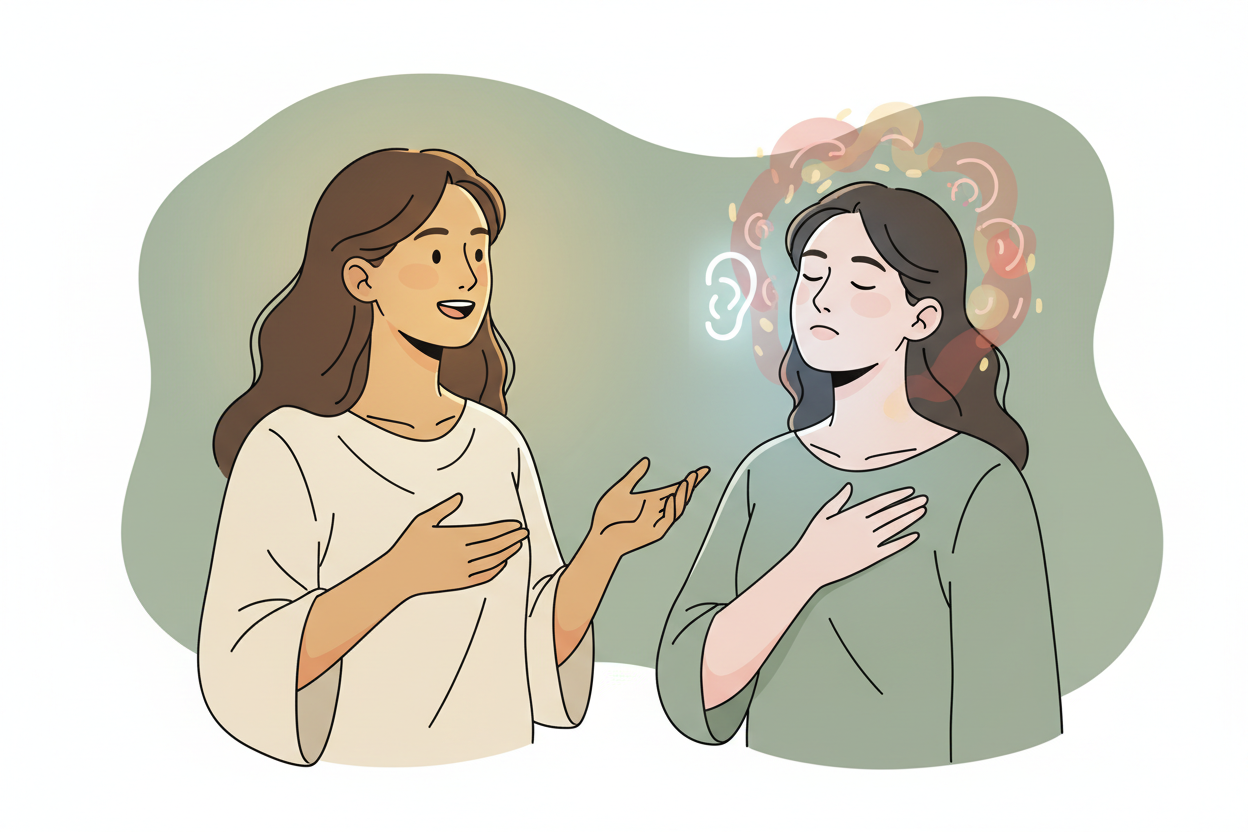
Understanding Active Listening: More Than Just Hearing Words
Active listening is a communication technique that requires the listener to fully concentrate, understand, respond, and remember what’s being said. Unlike passive listening, where you might be thinking about your grocery list while your partner talks about their day, active listening demands your complete presence and engagement.
Think of it this way: when someone shares something important with you, they’re offering you a gift—their thoughts, feelings, and vulnerability. Active listening is how you honor that gift. It’s about putting aside your own agenda, judgments, and the urge to immediately offer solutions, and instead focusing entirely on understanding their perspective.
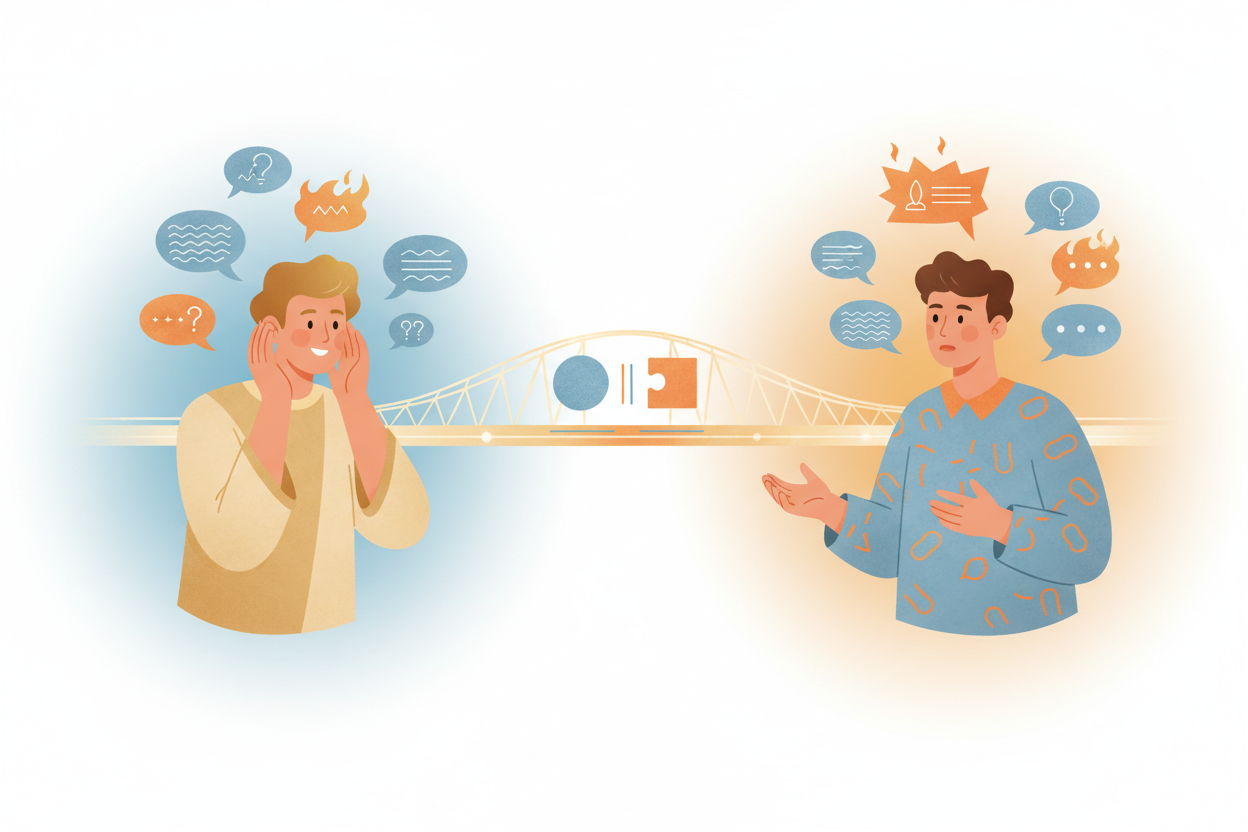
The difference between hearing and active listening is like the difference between looking at a photograph and actually visiting a place. One gives you basic information, while the other provides a rich, immersive experience that creates lasting memories and deeper connections.
The Science Behind Active Listening and Relationship Success
Research consistently shows that couples who practice active listening report higher levels of relationship satisfaction and emotional intimacy. When we feel truly heard, our brains release oxytocin—often called the “bonding hormone”—which strengthens our emotional connection to the listener.
Studies from the Gottman Institute, renowned for their relationship research, reveal that successful couples spend significantly more time listening to understand rather than listening to respond. They found that partners who felt heard and understood were more likely to work through conflicts constructively and maintain long-term relationship satisfaction.
From a neurological perspective, when someone feels genuinely listened to, it activates the brain’s reward centers, making them feel valued and appreciated. This positive reinforcement creates a cycle where both partners become more willing to share openly and listen attentively, strengthening the relationship foundation over time.
Key Components of Effective Active Listening
Full Attention and Presence
The foundation of active listening starts with giving your complete attention. This means putting away your phone, turning off the TV, and making eye contact. Your body language should communicate that this person and this moment matter to you. Lean in slightly, maintain an open posture, and resist the urge to multitask.
I remember a conversation with my sister where she was sharing her struggles with work stress. Initially, I was half-listening while checking emails on my laptop. When I noticed her voice trailing off, I realized I had missed crucial details about what was really bothering her. I closed the laptop, looked directly at her, and asked her to start over. The difference in our connection was immediate and profound.
Reflective Responses
Reflective listening involves paraphrasing what you’ve heard to ensure understanding. Phrases like “What I’m hearing is…” or “It sounds like you’re feeling…” help clarify the speaker’s message and show that you’re actively processing their words. This technique also gives the speaker an opportunity to correct any misunderstandings.
Emotional Validation
Acknowledging and validating emotions doesn’t mean you have to agree with everything being said. Instead, it means recognizing the validity of their feelings. Statements like “That must have been really frustrating” or “I can understand why you’d feel that way” help create emotional safety and encourage further sharing.
Common Barriers to Active Listening in Relationships
The Fix-It Mentality
Many of us, especially when we care deeply about someone, have an overwhelming urge to jump in with solutions. While this comes from a place of love, it can actually shut down communication. Sometimes people just need to be heard and understood, not fixed. Learning to ask “Do you want my thoughts on this, or do you just need me to listen?” can be relationship-changing.
Defensive Reactions
When conversations touch on sensitive topics or perceived criticism, our natural instinct is often to defend ourselves. This defensive stance immediately shifts us from listening mode to rebuttal mode. Recognizing this tendency and consciously choosing to stay curious rather than defensive takes practice but pays enormous dividends.
Technology Distractions
Our devices have become constant companions, making it increasingly difficult to give someone our undivided attention. The average person checks their phone every 6-12 minutes, which means we’re rarely fully present for meaningful conversations. Creating device-free zones and times can help restore the sacred space needed for deep listening.
Practical Strategies for Developing Active Listening Skills
The SOLER Method
This acronym provides a helpful framework for active listening posture: Square your shoulders (face the speaker directly), maintain an Open posture, Lean in slightly to show interest, maintain appropriate Eye contact, and stay Relaxed. This physical positioning naturally encourages mental engagement and shows the speaker that they have your attention.
Practice Mindful Pausing
Before responding to what someone has shared, take a brief pause. This moment of silence allows you to process what you’ve heard, consider their emotional state, and choose a thoughtful response rather than reacting impulsively. It also gives the speaker space to add anything they might have forgotten.
Ask Open-Ended Questions
Questions that begin with “what,” “how,” or “tell me more about” encourage deeper sharing and show genuine interest. Instead of asking “Did you have a good day?” try “What was the best part of your day?” or “How are you feeling about that situation now?” These questions invite elaboration and emotional exploration.
Active Listening During Conflict Resolution
Perhaps nowhere is active listening more crucial—or more challenging—than during disagreements. When emotions run high, our natural tendency is to focus on defending our position rather than understanding our partner’s perspective. However, conflicts resolved through active listening often lead to stronger relationships and deeper understanding.
During heated discussions, try implementing the “speaker-listener” technique. One person speaks for a set time while the other listens without interrupting. Then roles reverse. This structure prevents the conversation from devolving into a shouting match and ensures both perspectives are heard.
Remember that the goal during conflict isn’t to win—it’s to understand each other and find a path forward together. Active listening during disagreements often reveals underlying needs and concerns that weren’t initially apparent, leading to more creative and satisfying solutions.
Building Deeper Emotional Intimacy Through Listening
Active listening creates emotional intimacy by making people feel seen, heard, and valued. When someone shares vulnerable thoughts or feelings and receives a thoughtful, non-judgmental response, it builds trust and encourages even deeper sharing in the future.
Consider creating regular opportunities for this type of deep listening in your relationships. Some couples establish weekly “connection conversations” where they take turns sharing what’s on their hearts without interruption or advice-giving. Families might implement “rose and thorn” dinners where each person shares the best and most challenging parts of their day.
The key is consistency and intentionality. Deep emotional connection doesn’t happen accidentally—it requires dedicated time and attention. But the investment pays dividends in the form of stronger, more resilient relationships that can weather life’s inevitable storms.
Teaching Active Listening to Others
Once you’ve experienced the transformative power of active listening, you might want to share these skills with others in your life. Children, in particular, benefit enormously from learning these communication tools early. Model active listening in your interactions with them, and praise them when you notice them listening well to others.
In romantic relationships, having an honest conversation about communication patterns can be incredibly helpful. Share what you’ve learned about active listening and suggest practicing these techniques together. Many couples find that explicitly working on communication skills strengthens their bond and prevents minor issues from becoming major problems.
Conclusion: Transforming Relationships One Conversation at a Time
The art of active listening isn’t just a communication skill—it’s a gift you give to the people you care about most. In a world where everyone is competing for attention and rushing through interactions, choosing to truly listen makes you stand out as someone who values others and creates space for authentic connection.
Like any skill worth developing, active listening takes practice and patience with yourself as you learn. You’ll catch your mind wandering, find yourself formulating responses while others are still talking, and occasionally miss important emotional cues. That’s perfectly normal and part of the learning process.
The beautiful thing about working on your listening skills is that the benefits are immediate and mutual. As you become a better listener, people naturally want to spend more time with you, share more deeply with you, and reciprocate by listening more attentively to you. It creates a positive cycle that enriches all your relationships.
Start small—choose one relationship where you’ll consciously practice active listening this week. Put away distractions, focus fully on understanding rather than responding, and notice how it feels to give someone the gift of your complete attention. The transformation might surprise you.
Frequently Asked Questions About Active Listening in Relationships
Q: How do I practice active listening when I disagree with what someone is saying?
A: Remember that listening doesn’t mean agreeing. Focus on understanding their perspective and feelings rather than judging the content. You can acknowledge their viewpoint with phrases like “I can see this is really important to you” without compromising your own beliefs. The goal is to understand, not to change your mind or theirs.
Q: What should I do if someone keeps interrupting me when I’m trying to practice active listening?
A: Gently redirect the conversation by saying something like “I want to make sure I fully understand what you’re sharing before I respond. Can you tell me more about that?” If interruptions persist, you might need to have a separate conversation about communication patterns and suggest taking turns speaking.
Q: How can I remember to practice active listening when I’m stressed or busy?
A: Start by choosing specific times or situations where you’ll focus on active listening, such as during dinner conversations or bedtime talks with children. Create visual reminders, like putting your phone in another room during important conversations. Remember that investing time in quality listening often prevents longer, more difficult conversations later.
Q: Is it possible to be too good of a listener in relationships?
A: While being a good listener is generally positive, balance is important. Make sure you’re also sharing your own thoughts and feelings. Healthy relationships involve mutual sharing and listening. If you find yourself always in the listener role, it might be time to communicate your own needs for being heard and understood.
Q: How do I handle it when someone shares something that triggers a strong emotional reaction in me?
A: Take a deep breath and remind yourself that your job in that moment is to listen and understand. You can acknowledge your reaction internally while staying focused on the speaker. If needed, you can address your own feelings later, either in continued conversation or by processing privately first. The key is not letting your emotional reaction shut down your ability to hear them.