The Power of Metaphors in Writing: Captivating Your Audience
Have you ever wondered why some writing sticks with you long after you’ve put the book down, while other pieces fade from memory almost instantly? The secret often lies in the writer’s ability to paint vivid pictures in your mind through metaphors. These literary devices aren’t just fancy decorations – they’re powerful tools that can transform ordinary writing into extraordinary experiences that resonate deeply with readers.
Metaphors are everywhere in our daily language, from describing someone as “a breath of fresh air” to saying time is money. But when wielded skillfully in writing, they become bridges that connect abstract concepts to concrete experiences, making complex ideas accessible and memorable. Whether you’re crafting a novel, writing marketing copy, or penning a heartfelt blog post, understanding how to use metaphors effectively can elevate your writing from good to unforgettable.
Understanding Metaphors: More Than Just Pretty Language
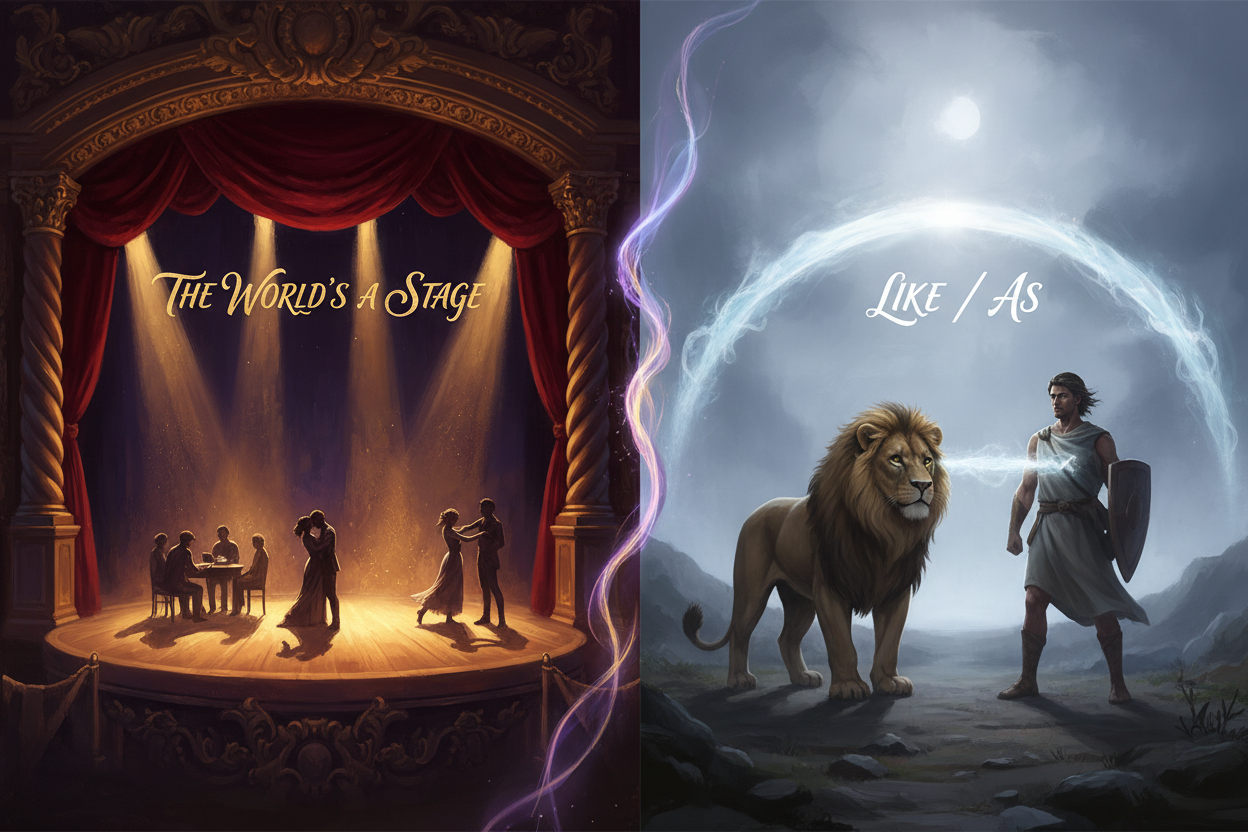
At its core, a metaphor is a figure of speech that describes something by saying it is something else entirely. Unlike similes that use “like” or “as” to make comparisons, metaphors create direct associations that often feel more immediate and powerful. When Shakespeare wrote “All the world’s a stage,” he wasn’t suggesting the planet was literally made of wooden planks and curtains – he was revealing something profound about human existence and our roles in life.
What makes metaphors particularly effective in writing is their ability to engage multiple senses simultaneously. When we read that someone’s voice was “velvet,” we don’t just understand they spoke softly – we can almost feel the texture and warmth that velvet evokes. This multi-sensory engagement creates stronger neural pathways in our brains, making the writing more memorable and impactful.
The beauty of metaphors lies in their efficiency. Instead of spending paragraphs explaining that a character feels overwhelmed by grief, a writer can simply describe them as “drowning in sorrow,” and readers immediately understand both the intensity and the suffocating nature of the emotion. This compression of meaning allows writers to convey complex ideas quickly while maintaining emotional resonance.

How Metaphors Captivate and Engage Readers
Metaphors work their magic by tapping into our brain’s natural pattern-recognition abilities. When we encounter a metaphor, our minds automatically search for connections between the two seemingly unrelated concepts being compared. This mental activity creates what psychologists call “cognitive engagement” – readers become active participants in constructing meaning rather than passive consumers of information.
Consider how differently these two sentences land: “The city was very busy” versus “The city was a bustling anthill.” The first statement provides information, but the second creates an entire world of associations. Suddenly, readers can visualize the constant movement, the sense of purpose driving each individual, and the organized chaos that characterizes both anthills and urban environments.
This engagement extends beyond mere comprehension to emotional connection. Metaphors often evoke feelings before thoughts, bypassing our analytical minds to speak directly to our emotions. When a writer describes heartbreak as “shattered glass,” readers don’t just understand the pain intellectually – they feel the sharp edges and irreversible damage that comes with such profound loss.
Research in cognitive science has shown that metaphorical language activates more areas of the brain than literal language. This increased neural activity creates what researchers call “embodied cognition” – readers don’t just process the words; they experience them physically and emotionally, leading to deeper engagement and better retention.
Types of Metaphors That Transform Writing
Not all metaphors are created equal, and understanding different types can help writers choose the most effective approach for their specific goals. Extended metaphors, also known as conceits, develop a single comparison throughout an entire piece or section. Think of how Martin Luther King Jr. extended the metaphor of a “dream” throughout his famous speech, weaving it into various aspects of his vision for equality and justice.
Dead metaphors are so common in our language that we barely recognize them as metaphorical anymore. Phrases like “the foot of the mountain” or “the head of the company” have become literal in our minds. While these can be useful for clarity, fresh metaphors often have more impact because they surprise readers with unexpected connections.
Mixed metaphors, while often criticized, can sometimes create powerful effects when used intentionally. A character who is simultaneously “walking on thin ice” while “playing with fire” might seem contradictory, but this mixing can effectively convey the multiple dangers they face.
Sensory metaphors engage specific senses to create vivid experiences. Describing silence as “thick” engages our sense of touch, while calling a voice “golden” appeals to our visual perception. These sensory connections help readers feel more present in the scene being described.
Practical Techniques for Crafting Compelling Metaphors
Creating effective metaphors isn’t about being as creative as possible – it’s about finding the right connection that serves your writing’s purpose. Start by identifying the core emotion or concept you want to convey, then brainstorm objects, experiences, or phenomena that evoke similar feelings or characteristics.
One powerful technique is to draw metaphors from different domains of experience. If you’re writing about technology, consider metaphors from nature, cooking, or relationships. This cross-domain mapping often produces the most surprising and memorable comparisons. Describing data as “flowing like a river” or algorithms as “digital DNA” creates fresh perspectives on familiar concepts.
Pay attention to the emotional undertones of your chosen metaphors. Describing someone’s anger as “a volcano” versus “a wildfire” creates different associations – volcanoes suggest explosive force and unpredictability, while wildfires imply rapid spread and destruction. Choose metaphors that align with the specific emotional landscape you’re trying to create.
Consider the cultural context of your metaphors as well. While some comparisons are nearly universal – light representing knowledge, darkness representing ignorance – others may not translate across different cultural backgrounds. A metaphor comparing something to baseball might resonate strongly with American readers but fall flat with international audiences.
Testing your metaphors is crucial. Read them aloud or share them with others to see if they create the intended effect. Sometimes what seems brilliant in your mind doesn’t work on the page, and that’s perfectly normal. The best writers often go through multiple metaphorical attempts before finding the one that truly sings.
Common Metaphor Mistakes to Avoid
Even experienced writers can stumble when it comes to metaphor usage. One of the most common mistakes is overloading text with too many metaphors, creating what feels like a literary fireworks show rather than coherent writing. Metaphors should enhance your message, not overshadow it. When every sentence contains a comparison, readers can become overwhelmed and lose track of your main points.
Another frequent pitfall is mixing incompatible metaphors within the same context. If you’ve established that a character’s mind is “a fortress,” don’t suddenly describe their thoughts as “flowing like water” unless you’re intentionally showing internal conflict. Consistency in metaphorical frameworks helps maintain the immersive quality that makes metaphors so powerful.
Cliched metaphors can drain the life from your writing faster than you might expect. Phrases like “time is money” or “love is a battlefield” have been used so extensively that they’ve lost their impact. While there’s nothing wrong with drawing inspiration from familiar comparisons, try to find fresh angles or unexpected twists that breathe new life into old ideas.
Perhaps most importantly, avoid forcing metaphors where they don’t belong. Not every concept needs metaphorical treatment, and sometimes straightforward language serves your purpose better. Metaphors should feel natural and necessary, not like decorative afterthoughts added to make writing seem more sophisticated.
Metaphors Across Different Writing Genres
The application of metaphors varies significantly across different types of writing, and understanding these nuances can help you use them more effectively. In fiction, metaphors often serve to establish mood, develop character, or create symbolic meaning. A character who consistently thinks in mechanical metaphors might reveal something about their worldview or professional background.
Business and marketing writing benefits from metaphors that make complex concepts accessible and memorable. Describing cloud computing as “renting space in someone else’s digital warehouse” helps non-technical audiences understand the concept quickly. However, business metaphors should prioritize clarity over creativity – your goal is communication, not literary achievement.
Academic and technical writing traditionally uses fewer metaphors, but when employed skillfully, they can illuminate difficult concepts. Scientific papers might compare molecular behavior to familiar mechanical processes, helping readers grasp abstract principles through concrete analogies.
Poetry, of course, lives and breathes through metaphor. Poets often push metaphorical boundaries, creating surprising connections that reveal hidden truths about human experience. What works in poetry might be too intense or abstract for other forms of writing, so consider your audience and purpose carefully.
The Psychological Impact of Metaphorical Language
Understanding why metaphors affect us so profoundly can help writers use them more strategically. Cognitive scientists have discovered that metaphorical thinking is fundamental to how humans process abstract concepts. We literally cannot think about complex ideas like time, emotions, or relationships without using metaphorical frameworks.
When readers encounter well-crafted metaphors, their brains activate the same neural networks involved in processing the literal experience being referenced. Reading about “rough” music doesn’t just convey information about sound quality – it actually activates tactile processing areas in the brain, creating a richer, more embodied understanding.
This neurological response explains why metaphors can be so persuasive. When we describe an argument as “building a case” or “constructing logic,” we’re not just using pretty language – we’re activating mental frameworks associated with physical construction, which carries implications of solidity, planning, and permanence.
Metaphors also help readers process emotional content more effectively. Direct statements about feelings can sometimes feel overwhelming or abstract, but metaphorical expressions provide a safe distance that allows deeper engagement. Describing grief as “a heavy cloak” gives readers a way to understand and relate to the emotion without being consumed by it.
Conclusion: Harnessing Metaphorical Power in Your Writing
Metaphors are far more than decorative elements in writing – they’re fundamental tools for human communication and understanding. When used skillfully, they transform abstract concepts into tangible experiences, create emotional connections between writers and readers, and make complex ideas accessible and memorable.
The key to metaphorical mastery lies not in using as many comparisons as possible, but in choosing the right ones for your specific purpose and audience. Whether you’re crafting a novel, writing a business proposal, or creating content for your blog, thoughtful metaphors can elevate your writing from merely informative to truly transformative.
Remember that developing metaphorical skill takes practice and patience. Start by paying attention to the metaphors you encounter in your daily reading, analyzing what makes some more effective than others. Experiment with different approaches in your own writing, and don’t be afraid to revise and refine until you find comparisons that truly serve your message.
As you continue developing your writing craft, think of metaphors as bridges between your thoughts and your readers’ understanding. Build them carefully, make them sturdy, and watch as they carry your audience safely across the gap between confusion and clarity, between indifference and engagement, between forgettable prose and writing that lingers in the mind long after the final word is read.
Frequently Asked Questions
What’s the difference between a metaphor and a simile?
A metaphor directly states that one thing is another (“Her voice was music”), while a simile uses “like” or “as” to make comparisons (“Her voice was like music”). Metaphors tend to feel more immediate and powerful because they create direct associations rather than comparisons.
How many metaphors should I use in my writing?
There’s no magic number, but quality matters more than quantity. Focus on using metaphors strategically where they enhance understanding or create emotional impact. Too many metaphors can overwhelm readers and make your writing feel forced or pretentious.
Can I mix different metaphors in the same piece of writing?
Yes, but be careful about mixing metaphors within the same context or paragraph. If you establish one metaphorical framework, maintain consistency within that section. You can introduce new metaphors in different sections or when discussing different concepts.
How do I know if my metaphor is effective?
Test your metaphors by reading them aloud or sharing them with others. Effective metaphors should feel natural, enhance understanding, and create the emotional response you’re seeking. If readers seem confused or if the metaphor draws attention to itself rather than illuminating your point, consider revising.
Are there any metaphors I should avoid?
Avoid overused cliches unless you can give them a fresh twist. Also be mindful of cultural sensitivity – some metaphors may not translate well across different backgrounds or could inadvertently offend. When in doubt, choose metaphors that are more universally understood.
How can I come up with original metaphors?
Try drawing connections between different domains of experience. If you’re writing about technology, consider metaphors from nature, cooking, or sports. Keep a notebook of interesting comparisons you encounter, and practice looking at familiar objects or concepts from new angles.