
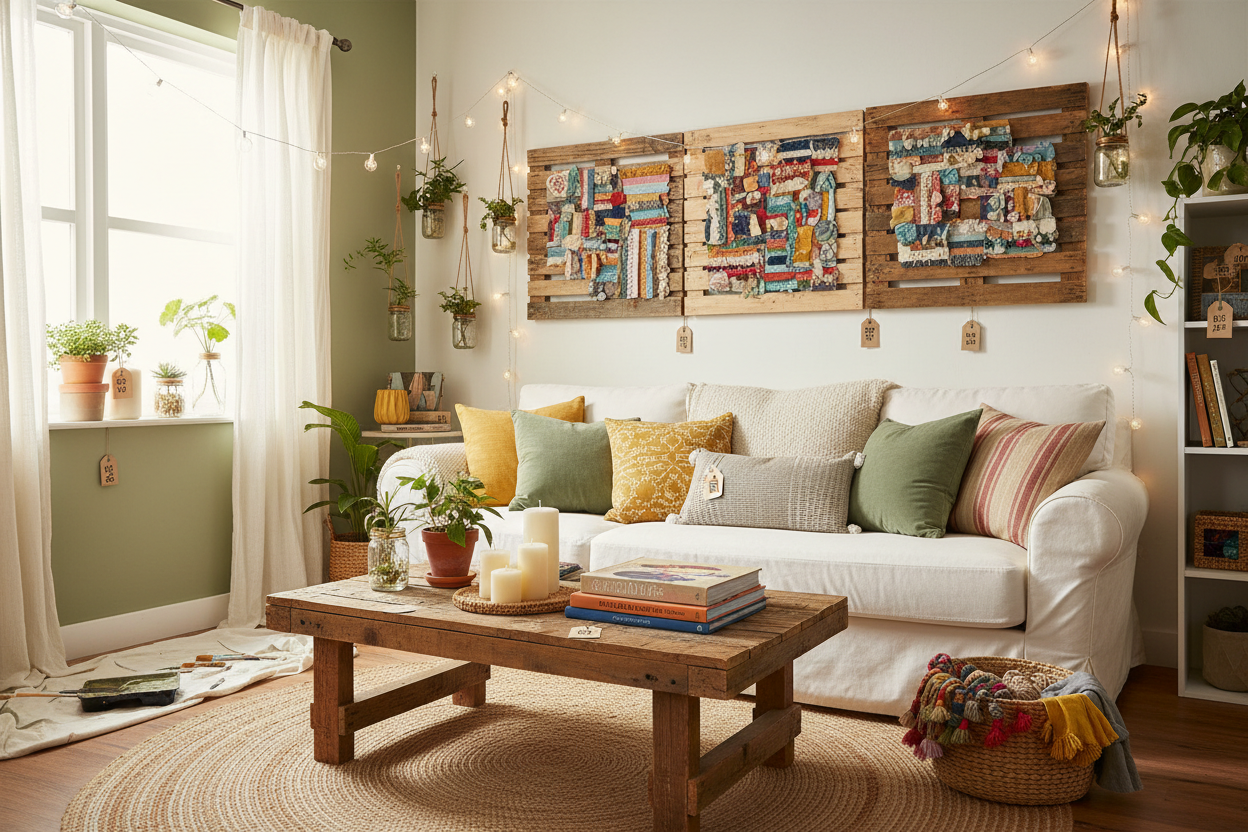
10 Home Decor Ideas on a Budget: Transform Your Space for Less
Creating a beautiful home doesn’t have to drain your bank account. Whether you’re a college student decorating your first apartment, a new homeowner watching every penny, or simply someone who loves a good bargain, transforming your living space on a budget is entirely possible. The secret lies in knowing where to splurge and where to save, getting creative with DIY projects, and making smart shopping decisions.
I’ve learned from years of decorating experience that some of the most stunning homes are created by people who had more creativity than cash. The key is approaching budget decorating with an open mind and a willingness to think outside the box. Today, I’m sharing ten proven strategies that will help you create a space you absolutely love without breaking the bank.

1. Embrace the Power of Paint
Paint is hands-down the most cost-effective way to transform any room. A single gallon of quality paint typically costs between $30-60 and can completely change the atmosphere of your space. Don’t limit yourself to just walls – consider painting furniture, cabinets, or even your front door for maximum impact.
When choosing colors, remember that lighter shades make rooms feel larger and brighter, while darker colors create cozy, intimate spaces. If you’re renting, check with your landlord about painting policies, or consider removable wallpaper as an alternative. Pro tip: Many paint stores offer “oops” paint at discounted prices – these are custom colors that customers didn’t pick up, and they’re perfect for budget decorating.
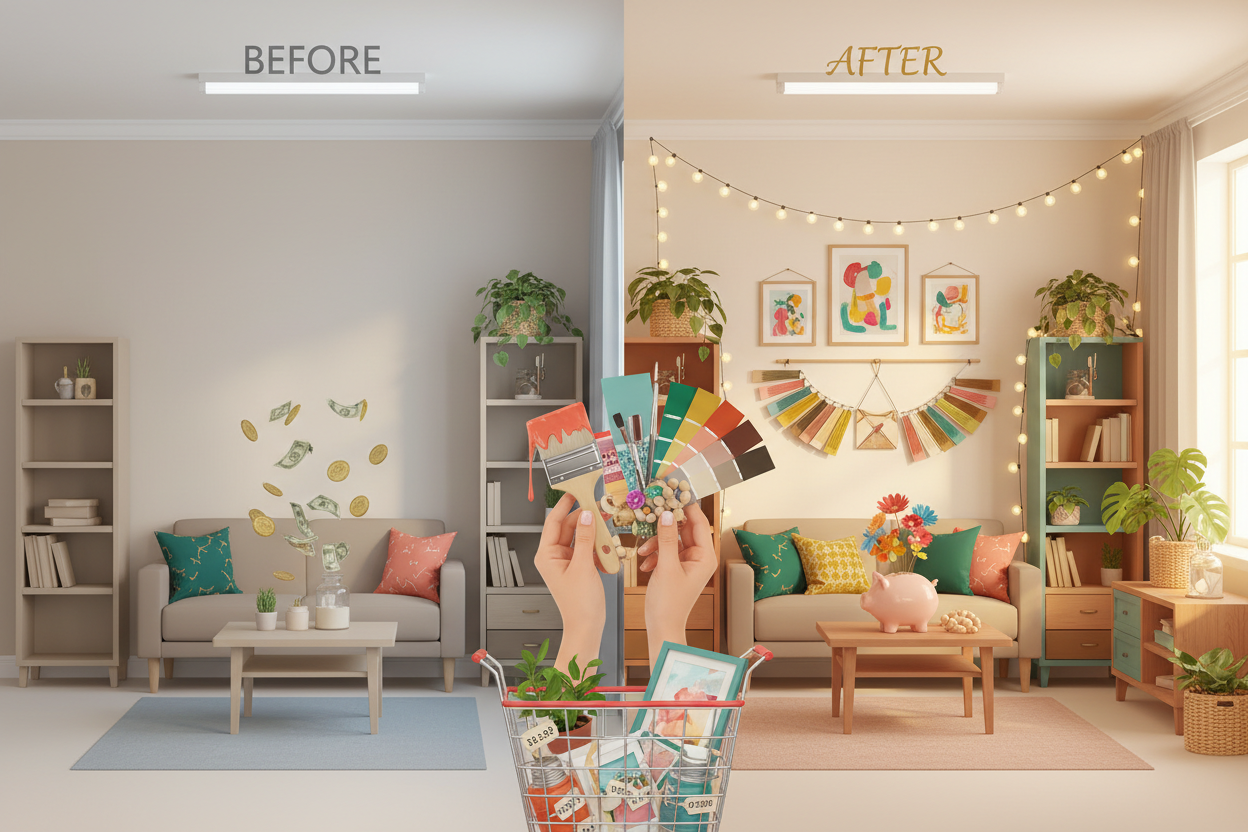
2. Shop Your Own Home First
Before spending a dime, take a fresh look at what you already own. Sometimes the perfect decor piece is hiding in another room, forgotten in storage, or simply needs a new purpose. That stack of vintage books could become a unique side table, while family photos scattered in drawers might create a stunning gallery wall.
I once helped a friend completely refresh her living room by simply rearranging existing furniture and moving artwork from the bedroom to the main space. The transformation was remarkable, and it cost absolutely nothing. Challenge yourself to see your belongings with fresh eyes – you might be surprised by what treasures you discover.
3. Master the Art of Thrift Shopping
Thrift stores, consignment shops, and estate sales are goldmines for budget decorators. The key to successful thrift shopping is patience and vision. Don’t expect to find everything in one trip, and learn to see potential in pieces that might need a little TLC.
Focus on quality items with good bones – solid wood furniture, vintage mirrors, unique artwork, and interesting accessories. A $5 wooden chair from a garage sale can become a stunning accent piece with some sandpaper and a coat of paint. Always inspect items carefully for damage, but don’t let minor flaws scare you away if the price is right and the fix is simple.
4. Create Stunning Wall Art on a Dime
Blank walls can make even the most furnished room feel incomplete, but original artwork doesn’t have to cost hundreds of dollars. Get creative with DIY wall art projects using materials you likely already have at home. Frame beautiful fabric samples, create abstract paintings with acrylic paints, or design typography prints using free online tools.
Gallery walls are particularly budget-friendly because you can mix expensive pieces with DIY creations and thrift store finds. Vary the sizes and styles of frames for visual interest, and don’t forget about three-dimensional elements like small shelves or hanging plants to add depth to your display.
5. Maximize Impact with Strategic Lighting
Good lighting can make even the most modest space feel expensive and welcoming. While you might not be able to rewire your entire home, there are plenty of budget-friendly lighting solutions that create ambiance and style. Table lamps from thrift stores can be updated with new shades, string lights add magical atmosphere for just a few dollars, and candles provide instant coziness.
Consider the function of each room when planning your lighting strategy. Task lighting is essential in work areas, while ambient lighting creates relaxation in bedrooms and living spaces. Don’t underestimate the power of natural light either – simply cleaning your windows and rearranging furniture to take advantage of sunlight can dramatically improve your space.
6. Transform Furniture with Simple Updates
Instead of buying new furniture, breathe fresh life into pieces you already own or find affordable secondhand options to customize. Furniture makeovers are incredibly satisfying and can save you hundreds of dollars compared to buying new pieces.
Simple updates like changing hardware on dressers and cabinets, adding new cushions to chairs, or applying decorative contact paper to tabletops can create dramatic transformations. Chalk paint is particularly forgiving for beginners and creates beautiful, professional-looking finishes on furniture. Remember that good quality furniture is worth the investment in time and materials for updates.
7. Bring Nature Indoors with Plants
Plants are nature’s most affordable decorators, instantly adding life, color, and freshness to any space. You don’t need a green thumb to incorporate plants into your decor – many varieties are extremely low-maintenance and thrive with minimal care.
Start with easy-care options like pothos, snake plants, or succulents, which are often available for under $10 at grocery stores or garden centers. Get creative with planters by repurposing containers you already have – mason jars, vintage teacups, or woven baskets all make charming plant homes. Many plants can also be propagated from cuttings, so ask friends and family to share clippings from their favorite plants.
8. Add Personality with Textiles
Throw pillows, blankets, curtains, and rugs are the accessories that make a house feel like a home. These textiles add color, pattern, and texture to your space, and they’re much more affordable than major furniture pieces. The best part is that textiles are easy to change seasonally or when you want a fresh look.
Mix patterns and textures for visual interest, but stick to a cohesive color palette to avoid a chaotic look. Thrift stores often have beautiful vintage textiles at fraction of retail prices, and end-of-season sales at major retailers offer significant discounts on home goods. Don’t forget about making your own – basic sewing skills can help you create custom curtains or pillow covers that perfectly match your vision.
9. Organize and Display Collections Thoughtfully
Sometimes the best decor is hiding in plain sight. Those books you love, vintage dishes inherited from grandma, or collections you’ve gathered over time can become beautiful displays when arranged thoughtfully. The key is editing and intentional placement rather than showing everything at once.
Group similar items in odd numbers, vary heights for visual interest, and leave some breathing room between objects. A collection of vintage cameras becomes art when displayed on floating shelves, while beautiful books can be both functional and decorative when styled on coffee tables or nightstands. This approach costs nothing but makes your space feel personal and curated.
10. Focus on High-Impact, Low-Cost Changes
Some decorating changes deliver maximum visual impact for minimal investment. Switching out cabinet hardware, updating light switch covers, adding crown molding, or installing peel-and-stick backsplash can dramatically upgrade your space without major renovation costs.
These details might seem small, but they’re often what separate professionally decorated spaces from amateur attempts. Take time to notice what makes expensive homes look polished, then find budget-friendly ways to achieve similar effects. Sometimes it’s as simple as ensuring all your metal finishes match or adding trim to basic furniture pieces.
Conclusion
Creating a beautiful home on a budget requires creativity, patience, and a willingness to see potential in unexpected places. The ten strategies outlined above prove that you don’t need unlimited funds to create a space that reflects your personality and makes you happy to come home each day.
Remember that decorating is a process, not a destination. Start with one or two ideas that excite you most, and build from there. Some of my favorite rooms have evolved over months or even years as I found perfect pieces, completed DIY projects, and refined my vision. The journey of creating your space can be just as rewarding as the final result.
Most importantly, focus on what makes you feel comfortable and happy in your space. Trends come and go, but a home that reflects your authentic style will always feel right. With these budget-friendly strategies, you have everything you need to transform your space into something truly special.
Frequently Asked Questions
How much should I budget for decorating a room?
A good rule of thumb is to budget 10-15% of a room’s square footage in dollars for basic decorating. For a 200 square foot living room, plan to spend $2,000-3,000. However, using the strategies in this article, you can often achieve great results for much less.
What’s the biggest decorating mistake people make on a budget?
The most common mistake is buying many small, cheap items instead of investing in fewer, higher-quality pieces. It’s better to save up for one beautiful item that you truly love than to fill your space with things that don’t bring you joy.
How can I make my rental apartment feel like home without losing my security deposit?
Focus on removable changes like peel-and-stick wallpaper, removable hooks for artwork, furniture arrangements, lighting, and textiles. Always check your lease agreement and communicate with your landlord about any changes you want to make.
Where can I find the best deals on home decor?
Thrift stores, estate sales, Facebook Marketplace, end-of-season clearance sales, and discount retailers like HomeGoods or Tuesday Morning offer excellent deals. Don’t overlook garage sales and online classified ads for unique finds.
How do I know if a DIY project is worth the effort?
Consider the time investment, skill level required, and cost of materials versus buying new. If a project costs more than 60% of the retail price and requires skills you don’t have, it might not be worth it. However, if you enjoy the process and will learn valuable skills, the investment in time can be worthwhile.