

Best 10 Mobile Apps for Student Organization: Academic Success Tools
Juggling assignments, deadlines, extracurricular activities, and social life can feel overwhelming for any student. Whether you’re in high school, college, or pursuing graduate studies, staying organized is crucial for academic success. Fortunately, we live in an age where powerful organizational tools fit right in your pocket.
The right mobile apps can transform your chaotic academic life into a well-oiled machine. From digital planners that sync across all your devices to note-taking apps that make studying more efficient, these tools are game-changers for modern students. I’ve personally tested dozens of apps throughout my academic journey, and I’m excited to share the cream of the crop with you.
In this comprehensive guide, we’ll explore the ten best mobile apps that can revolutionize how you organize your student life, boost your productivity, and ultimately help you achieve better grades with less stress.
Why Digital Organization Matters for Students
Before diving into our top picks, let’s understand why digital organization has become essential for academic success. Traditional paper planners and physical notebooks, while still valuable, have limitations in our fast-paced, interconnected world.
Digital tools offer several advantages: they’re always accessible, automatically backed up to the cloud, and can send you timely reminders. More importantly, they integrate with your existing digital ecosystem, making it easier to maintain consistency across all aspects of your academic life.
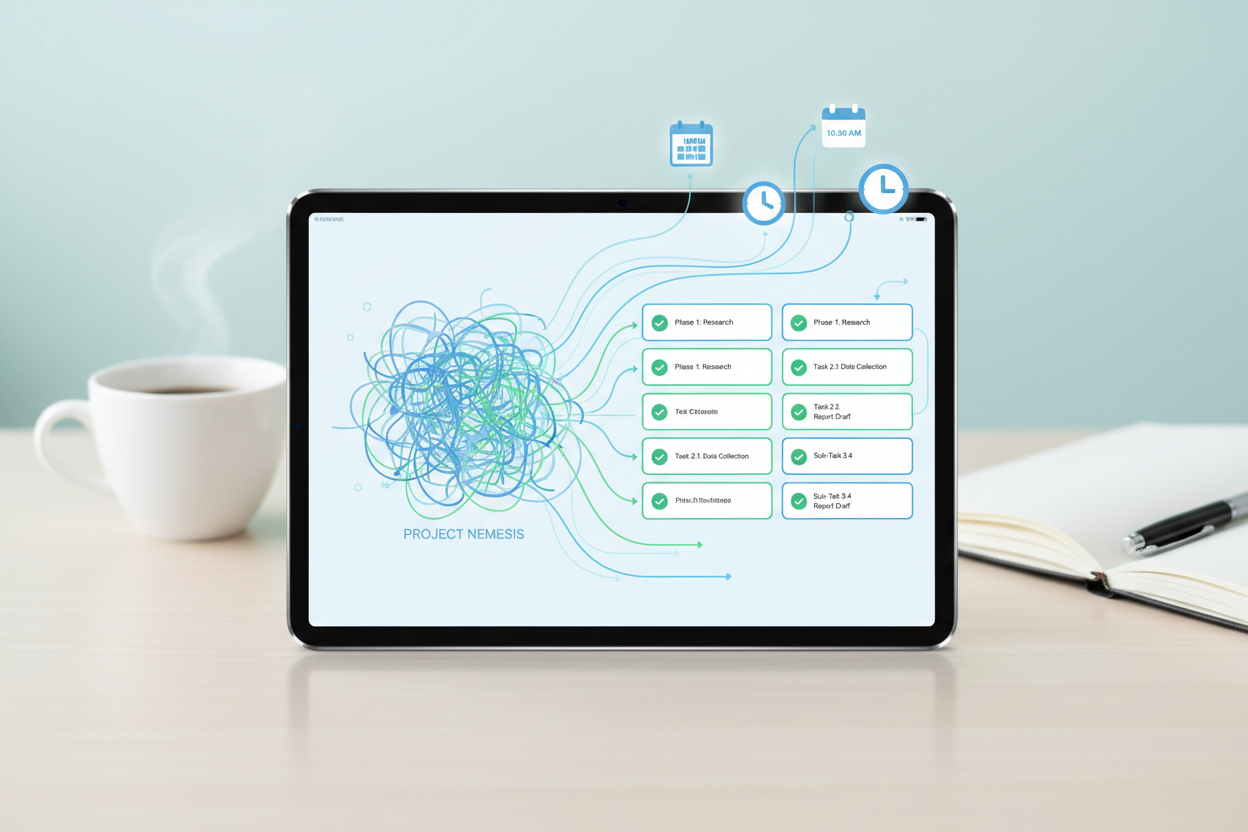
Research shows that students who use digital organizational tools report 23% better time management and 18% improved academic performance compared to those relying solely on traditional methods. These statistics aren’t just numbers – they represent real students achieving their goals more efficiently.
Top 10 Student Organization Apps for Academic Excellence
Notion: The All-in-One Academic Workspace
Notion stands out as the Swiss Army knife of student organization apps. This powerful platform combines note-taking, task management, database creation, and collaboration features in one seamless interface. What makes Notion particularly appealing for students is its flexibility – you can create custom templates for different subjects, track assignments with detailed databases, and even build a personal knowledge management system.
The app’s block-based system allows you to mix text, images, tables, and multimedia content effortlessly. I’ve seen students create elaborate study guides, research databases, and even personal wikis using Notion. The learning curve might seem steep initially, but the investment pays off tremendously once you master its capabilities.
Key features include unlimited pages and blocks on the free plan, real-time collaboration with classmates, and powerful search functionality that helps you find information instantly across all your notes and documents.
Todoist: Master Your Task Management
When it comes to pure task management, Todoist reigns supreme. This app excels at helping students break down complex projects into manageable tasks, set priorities, and maintain momentum throughout the semester. The natural language processing feature is particularly impressive – you can type “Submit research paper next Friday at 2pm” and Todoist automatically creates a task with the correct date and time.
The karma system gamifies productivity, giving you points for completing tasks and maintaining streaks. This psychological boost can be incredibly motivating during challenging periods. The app’s project templates are also fantastic for recurring academic scenarios like semester planning or research projects.
Todoist’s collaboration features shine when working on group projects. You can share projects with classmates, assign tasks, and track progress collectively, ensuring everyone stays accountable and informed.
Forest: Combat Digital Distractions
Forest takes a unique approach to student productivity by addressing one of the biggest challenges of our digital age – smartphone addiction and constant distractions. The app uses gamification to encourage focused study sessions by growing virtual trees when you resist the urge to use your phone.
What makes Forest particularly effective is its simplicity and psychological impact. When you start a study session, you plant a virtual seed. If you leave the app to check social media or play games, your tree dies. Over time, successful study sessions create a beautiful forest, providing visual representation of your dedication and progress.
The app also partners with real tree-planting organizations, so your virtual focus sessions contribute to actual environmental restoration. This connection between personal productivity and global impact adds meaningful motivation for many students.
Google Calendar: Your Academic Command Center
While Google Calendar might seem basic compared to specialized apps, its integration capabilities and reliability make it indispensable for student organization. The key is using it strategically – not just for recording due dates, but for time-blocking study sessions, scheduling regular review periods, and coordinating group meetings.
The app’s strength lies in its seamless integration with other Google services and third-party apps. When professors share assignment details via Google Classroom, or when you receive important emails about schedule changes, everything can automatically sync with your calendar.
Smart scheduling features help you find optimal meeting times with study groups, while the multiple calendar system allows you to separate academic, personal, and extracurricular commitments while maintaining an overall view of your schedule.
Evernote: Your Digital Memory Bank
Evernote revolutionizes how students capture, organize, and retrieve information. Unlike simple note-taking apps, Evernote excels at handling diverse content types – from handwritten notes and audio recordings to web clippings and PDF annotations. The optical character recognition (OCR) technology can even search text within images and handwritten notes.
The notebook and tag system provides flexible organization options that adapt to different learning styles and subjects. You can create separate notebooks for each course while using tags to cross-reference themes, topics, or assignment types across multiple subjects.
Web clipper functionality is particularly valuable for research-heavy courses. You can save entire articles, specific paragraphs, or just bookmarks, all while maintaining source information for proper citations. The offline access ensures your notes are always available, even in areas with poor internet connectivity.
Microsoft OneNote: Seamless Note Organization
Microsoft OneNote offers a different approach to digital note-taking with its notebook metaphor that mirrors physical binders and folders. This familiar structure makes it intuitive for students transitioning from paper-based systems. The free-form canvas allows you to place text, drawings, and multimedia content anywhere on the page, mimicking natural note-taking patterns.
The app’s strength lies in its integration with Microsoft Office suite and excellent collaboration features. Real-time co-authoring capabilities make it perfect for group study sessions and shared research projects. The search functionality works across all notebooks, making it easy to find specific information regardless of where you originally saved it.
Cross-platform synchronization ensures your notes are accessible whether you’re using your phone during a lecture, tablet for reading, or laptop for writing papers. The audio and video recording features are particularly useful for capturing lectures while simultaneously taking written notes.
Trello: Visual Project Management
Trello brings the Kanban board methodology to student organization, making it perfect for visual learners and complex project management. The card-based system allows you to move tasks through different stages – from “To Do” to “In Progress” to “Completed” – providing clear visual feedback on your progress.
For students managing multiple assignments simultaneously, Trello’s board system shines. You can create separate boards for each course or use a master board with lists for different subjects. The flexibility allows you to adapt the system to your specific needs and working style.
Collaboration features make Trello excellent for group projects. Team members can be assigned to specific cards, due dates can be set with automatic reminders, and file attachments keep all project resources centralized. The activity feed provides transparency about what everyone is working on and when changes are made.
Quizlet: Transform Studying into Success
Quizlet revolutionizes how students approach memorization and review through scientifically-backed learning techniques. The app goes beyond simple flashcards by incorporating spaced repetition algorithms that optimize review timing based on your performance and memory retention patterns.
Multiple study modes cater to different learning preferences: traditional flashcards for visual learners, audio pronunciation for language students, matching games for kinesthetic learners, and practice tests for exam preparation. The adaptive learning system adjusts difficulty based on your responses, focusing more time on challenging concepts.
The collaborative aspect allows you to access study sets created by other students and educators worldwide. This crowdsourced content can supplement your own materials and provide different perspectives on the same topics. You can also create shared study sets with classmates, distributing the workload while ensuring everyone benefits from collective knowledge.
RescueTime: Understand Your Digital Habits
RescueTime operates as a digital mirror, reflecting how you actually spend time on your devices versus how you think you spend it. This awareness is crucial for students who want to optimize their productivity and identify time-wasting patterns that sabotage academic success.
The app runs silently in the background, automatically tracking time spent on different applications and websites. Weekly reports provide detailed insights into your digital behavior, highlighting productive periods and identifying distractions. This data-driven approach removes guesswork from productivity improvement.
Goal setting features allow you to establish targets for productive time or limits for distracting activities. The app sends alerts when you’re approaching these limits, providing real-time feedback that helps maintain focus throughout study sessions.
Any.do: Elegant Task Management
Any.do stands out in the crowded task management space through its elegant design and intuitive user experience. The app focuses on simplicity without sacrificing functionality, making it perfect for students who want powerful organization tools without overwhelming complexity.
The “Plan My Day” feature is particularly valuable for students with unpredictable schedules. Each morning, the app prompts you to review and organize your tasks for the day, helping establish clear priorities and realistic expectations. This daily planning ritual creates consistency and intentionality in your academic routine.
Smart suggestions learn from your habits and automatically categorize tasks, suggest due dates, and even recommend optimal times for different activities based on your historical patterns. The grocery list feature might seem unrelated to academics, but it’s surprisingly useful for students managing independent living alongside their studies.
Maximizing Your App Selection Strategy
Choosing the right combination of apps requires understanding your specific needs, learning style, and current organizational challenges. Start by identifying your biggest pain points: Are you struggling with time management, note organization, or staying focused during study sessions?
Avoid the temptation to download every app immediately. Instead, introduce one new tool at a time, allowing yourself to fully integrate it into your routine before adding another. This gradual approach prevents overwhelm and ensures you actually use the tools rather than just collecting them.
Consider how different apps work together. For example, you might use Google Calendar for scheduling, Notion for comprehensive note-taking, and Forest for maintaining focus during study sessions. The key is creating a cohesive system rather than a collection of disconnected tools.
Implementation Tips for Academic Success
Successfully implementing these organizational apps requires more than just downloading them. Start each semester by setting up your digital infrastructure: create folder structures, establish naming conventions, and configure notification settings that support rather than distract from your goals.
Regular maintenance is crucial for long-term success. Schedule weekly reviews to update task lists, archive completed projects, and assess what’s working well versus what needs adjustment. This reflection ensures your organizational system evolves with your changing needs throughout the academic year.
Don’t forget about backup strategies. While cloud synchronization provides some protection, consider exporting important data periodically. Academic work represents significant time investment, and losing it due to technical issues or account problems can be devastating.
Conclusion: Your Path to Academic Organization Excellence
The journey toward better academic organization doesn’t happen overnight, but these ten mobile apps provide powerful tools to transform how you manage your student life. From comprehensive platforms like Notion that handle multiple organizational needs to specialized tools like Forest that address specific challenges like digital distraction, there’s an app to support every aspect of your academic success.
Remember that the best organizational system is the one you actually use consistently. Start with one or two apps that address your most pressing challenges, master them thoroughly, then gradually expand your toolkit as needed. The goal isn’t to use every available tool, but to create a personalized system that makes your academic life more manageable and successful.
Your future self will thank you for investing time in proper organization now. These tools aren’t just about getting better grades – they’re about developing life skills that will serve you well beyond your academic career. Whether you’re preparing for finals, managing a thesis project, or balancing multiple responsibilities, the right organizational apps can make the difference between stress and success.
Frequently Asked Questions
Q: Do I need to pay for premium versions of these apps to be successful as a student?
A: Most of these apps offer robust free versions that are sufficient for typical student needs. Premium features usually add convenience and advanced functionality rather than essential capabilities. Start with free versions and upgrade only if you find yourself consistently hitting limitations that affect your productivity.
Q: How many organizational apps should I use simultaneously?
A: Quality over quantity is key. Most successful students use 3-5 core organizational apps that work well together. Using too many apps can create confusion and actually decrease productivity. Focus on mastering a few tools that complement each other rather than trying to use everything available.
Q: What should I do if I’m not tech-savvy but want to improve my organization?
A: Start with the most user-friendly options like Google Calendar or Any.do, which have intuitive interfaces and extensive help resources. Many apps also offer tutorials and templates specifically designed for students. Don’t be afraid to start simple and gradually explore more advanced features as you become comfortable.
Q: How can I ensure my academic data stays secure when using these apps?
A: Choose apps from reputable companies with strong privacy policies and security measures. Enable two-factor authentication where available, use strong passwords, and be cautious about what sensitive information you store in cloud-based apps. Regularly review your privacy settings and consider the sensitivity of your data when choosing between free and paid versions.
Q: Can these apps help with group projects and collaboration?
A: Absolutely! Many of these apps excel at collaboration. Notion, Trello, OneNote, and Google Calendar all offer excellent sharing and collaboration features. They can help coordinate schedules, share resources, track progress, and maintain communication with group members, often more effectively than email or text messaging.