
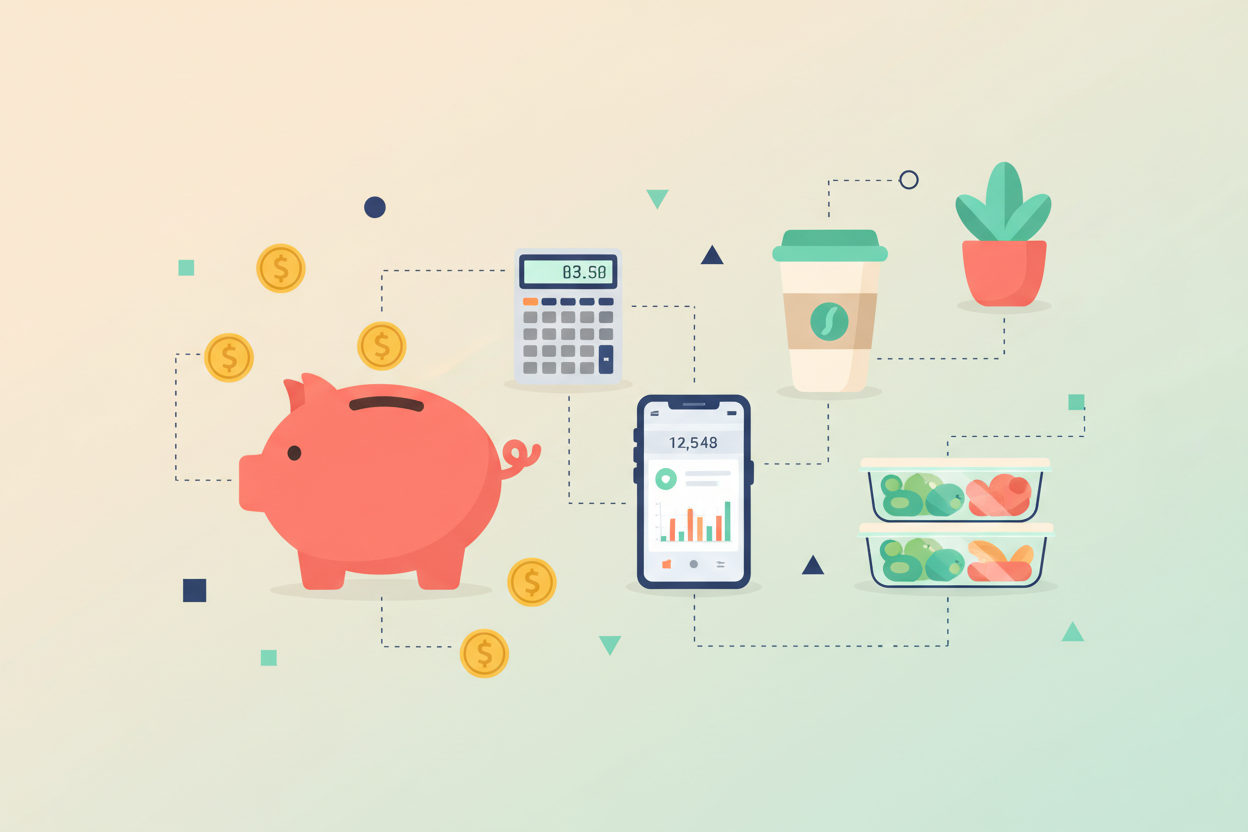
10 Life Hacks for Saving Money Daily: Practical Tips for Any Budget
Let’s be honest – saving money can feel like an uphill battle, especially when every expense seems to multiply faster than your income grows. I’ve been there, staring at my bank account wondering where all my hard-earned cash disappeared to. The good news? You don’t need a complete financial overhaul to start putting more money back in your pocket. Sometimes, the smallest daily changes create the biggest impact on your wallet.
Whether you’re living paycheck to paycheck or simply want to boost your savings account, these ten practical money-saving hacks can work for anyone, regardless of their current financial situation. These aren’t complicated strategies that require spreadsheets or financial expertise – they’re simple, actionable tips you can start implementing today.
The 24-Hour Rule: Your Best Defense Against Impulse Purchases
We’ve all been there – scrolling through our phones and suddenly finding ourselves one click away from buying something we “absolutely need.” The 24-hour rule is your financial guardian angel in these moments. Before making any non-essential purchase over $25, force yourself to wait a full day.
During this cooling-off period, ask yourself some tough questions: Do I really need this, or do I just want it? Will I still remember wanting this item next week? Can I borrow, rent, or find a cheaper alternative? You’d be amazed how often that “must-have” item loses its appeal after sleeping on it. This simple pause has saved me hundreds of dollars on everything from gadgets to clothing that would have ended up collecting dust.
Master the Art of Meal Planning and Batch Cooking
Food expenses can devour your budget faster than you can say “delivery fee.” The average American spends over $3,500 annually on dining out, but you can slash this number dramatically with strategic meal planning. Start by dedicating 30 minutes each Sunday to plan your meals for the week.

Batch cooking is where the real magic happens. Prepare large portions of versatile ingredients like rice, quinoa, roasted vegetables, and proteins that can be mixed and matched throughout the week. A big pot of chili, soup, or curry can provide multiple meals for a fraction of restaurant costs. Pro tip: invest in quality food storage containers – they’ll pay for themselves quickly by keeping your prepared meals fresh longer.
Embrace Generic Brands and Store Labels
Brand loyalty might feel good, but it’s costing you serious money. Generic and store-brand products typically cost 20-40% less than name brands, often with identical or nearly identical quality. The secret? Many store brands are actually manufactured by the same companies that produce the name-brand versions.
Start small by switching generic versions of basics like cleaning supplies, over-the-counter medications, and pantry staples. Once you realize there’s no difference in quality, you’ll feel more confident expanding to other categories. The only exception might be items where you have specific dietary needs or strong preferences – but even then, it’s worth testing the alternatives.
Automate Your Savings to Pay Yourself First
The phrase “pay yourself first” isn’t just motivational fluff – it’s a proven strategy for building wealth. Set up automatic transfers from your checking account to savings immediately after each paycheck arrives. Even if you can only afford $25 per week, that’s $1,300 by year’s end.
The key is treating this transfer like any other non-negotiable bill. You wouldn’t skip your rent payment, so don’t skip your payment to future you. Start with whatever amount feels manageable, then increase it by small increments as you adjust to living on slightly less. Most people don’t even notice the missing money after a few weeks of automation.
Negotiate Your Monthly Bills Like a Pro
Your monthly bills aren’t set in stone, despite what companies want you to believe. Insurance, internet, phone, and subscription services are all negotiable if you know how to approach them. The best time to negotiate is usually when your contract is up for renewal, but don’t wait if you’re struggling with current payments.
Before calling, research competitor prices and have specific numbers ready. Be polite but persistent, and don’t be afraid to mention you’re considering switching providers. Ask to speak with the retention department – they typically have more authority to offer discounts. I’ve personally saved over $200 monthly by spending just a few hours on the phone renegotiating various services.
Harness the Power of Cashback and Rewards Programs
If you’re going to spend money anyway, you might as well get something back. Cashback credit cards, store loyalty programs, and apps like Rakuten can put money back in your pocket for purchases you were already making. The key is choosing rewards that align with your actual spending habits.
For credit card rewards, only use this strategy if you can pay off your balance in full each month. Interest charges will quickly erase any rewards earned. For store programs, avoid the temptation to spend more just to reach reward thresholds – that defeats the purpose entirely. Focus on maximizing rewards for necessary purchases like groceries, gas, and utilities.
Create a DIY Maintenance and Repair Mindset
YouTube University can save you thousands of dollars annually in professional service fees. Basic home maintenance, simple car repairs, and minor appliance fixes are often much easier than they appear. Before calling a professional, spend 15 minutes researching whether it’s something you can handle yourself.
Start with low-risk projects like unclogging drains, changing air filters, or basic gardening tasks. As your confidence grows, you can tackle more complex projects. Even if you only succeed with half of your DIY attempts, you’ll still save significant money while building valuable skills. Just remember to know your limits – some jobs really do require professionals for safety reasons.
Shop Your Own Home Before Buying New
Before heading to the store for any item, take a thorough inventory of what you already own. That “emergency” shopping trip for batteries might be unnecessary if you check that junk drawer properly. Many people discover they already own multiple versions of items they thought they needed to buy.
This principle extends beyond physical items to subscriptions and services. Are you paying for multiple streaming services when you only watch one regularly? Do you have gym memberships you rarely use? Audit your possessions and subscriptions quarterly to eliminate redundancies and forgotten expenses that are quietly draining your budget.
Time Your Purchases for Maximum Savings
Strategic timing can dramatically reduce what you pay for everything from clothing to electronics. Learn the seasonal patterns for items you regularly buy. Winter coats go on sale in February, grills in September, and holiday decorations in January. Electronics typically see their biggest discounts during Black Friday and back-to-school seasons.
For non-seasonal items, Tuesday through Thursday are often the best days for online deals, while weekends can offer better in-store promotions. End-of-month shopping can also yield discounts as retailers try to meet sales quotas. The key is planning ahead and buying items before you desperately need them, giving you the luxury of waiting for the right price.
Embrace Free and Low-Cost Entertainment Alternatives
Entertainment doesn’t have to break the bank to be enjoyable. Libraries offer more than just books – many provide free movie rentals, community events, computer access, and even tools you can borrow. Local parks, hiking trails, and community centers often host free activities that can replace expensive entertainment options.
Consider hosting potluck dinners instead of expensive restaurant outings, organizing game nights instead of going to movies, or exploring free museums on designated community days. The goal isn’t to eliminate fun from your life, but to find creative ways to enjoy yourself without the hefty price tag. Often, these alternatives create more meaningful experiences than their expensive counterparts.
Conclusion: Small Changes, Big Results
Saving money doesn’t require dramatic lifestyle changes or extreme frugality. These ten daily money-saving hacks prove that small, consistent actions can create substantial financial improvements over time. The beauty of these strategies lies in their flexibility – you can implement all of them or choose the ones that best fit your current situation and lifestyle.
Remember, personal finance is exactly that – personal. What works perfectly for your neighbor might not suit your circumstances, and that’s perfectly okay. Start with one or two hacks that feel most manageable, then gradually incorporate others as they become habits. The compound effect of these small daily choices will surprise you, potentially saving you thousands of dollars annually while building better financial habits for life.
The journey to financial wellness begins with a single step. Why not take that step today by implementing just one of these money-saving strategies? Your future self will thank you for starting now rather than waiting for the “perfect” time that never comes.
Frequently Asked Questions
How much money can I realistically save using these daily hacks?
The amount varies greatly depending on your current spending habits and income level. However, most people can save between $100-500 monthly by implementing several of these strategies consistently. Some individuals report saving over $2,000 annually just from meal planning and eliminating impulse purchases.
Which money-saving hack should I start with if I’m a complete beginner?
Start with automating your savings, even if it’s just $10 per week. This creates an immediate positive habit while you work on implementing other strategies. The 24-hour rule for purchases is also an excellent beginner hack since it requires no upfront investment or major lifestyle changes.
Are generic brands really as good as name brands?
In most cases, yes. Generic brands often use identical formulations and are sometimes manufactured in the same facilities as name brands. The main differences are usually packaging and marketing costs. Start with non-critical items like cleaning supplies or basic medications to test quality before switching everything over.
How do I stay motivated to continue these money-saving habits long-term?
Track your progress visually using a savings app or simple spreadsheet. Seeing your money grow provides powerful motivation to continue. Also, set specific short-term goals for your savings, like a vacation fund or emergency fund, to give your efforts concrete purpose and direction.
What if my income is too low to save money with these methods?
Even with limited income, focus on the hacks that reduce existing expenses rather than requiring upfront investment. The 24-hour rule, generic brands, and DIY repairs can all save money immediately. Additionally, consider whether any of these strategies could help you redirect money you’re already spending rather than finding “extra” money to save.