
10 Mistakes to Avoid in a Job Interview: Career Advancement Tips
Landing a job interview is exciting, but it can also be nerve-wracking. After years of helping candidates navigate the interview process, I’ve seen brilliant professionals stumble over seemingly simple mistakes that cost them their dream jobs. The good news? Most interview blunders are completely avoidable once you know what to watch out for.
Whether you’re a recent graduate or a seasoned professional looking to advance your career, understanding these common pitfalls can mean the difference between walking away with a job offer or wondering what went wrong. Let’s dive into the ten most critical mistakes that could derail your interview success and explore practical strategies to avoid them.

Understanding the Stakes: Why Interview Preparation Matters
Before we jump into specific mistakes, it’s crucial to understand that interviews are your golden opportunity to showcase not just your qualifications, but your personality, work ethic, and cultural fit. Research shows that hiring managers often make decisions within the first few minutes of meeting a candidate, which means every detail matters.
The modern job market is more competitive than ever, with some positions receiving hundreds of applications. Your resume got you in the door, but the interview is where you’ll either seal the deal or lose the opportunity to someone who better understood how to present themselves professionally.
Mistake 1: Arriving Unprepared or Uninformed About the Company
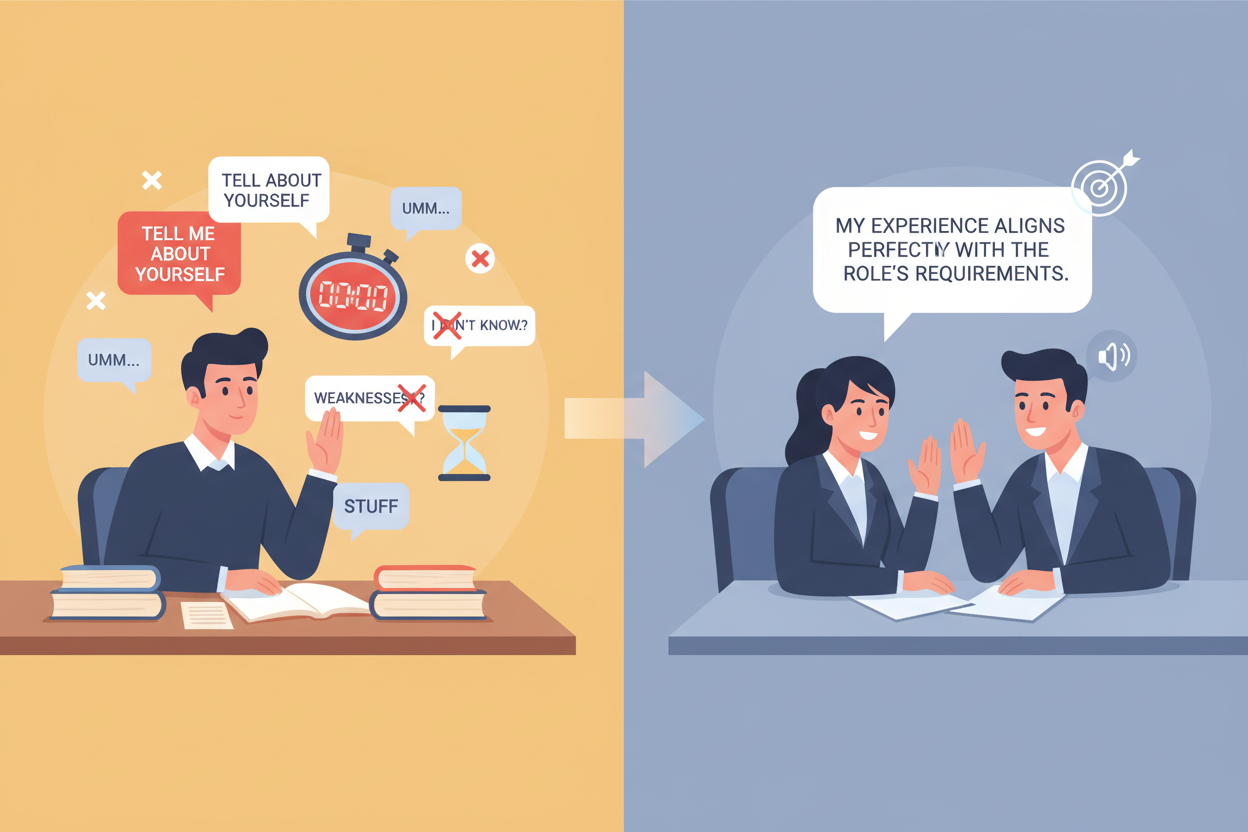
Nothing screams “I don’t really want this job” quite like showing up without basic knowledge about the company you’re hoping to join. I once witnessed a candidate ask, “So, what exactly does your company do?” during an interview for a senior marketing position. Needless to say, that conversation ended quickly.
Research should go far beyond a quick glance at the company website. Dive deep into their recent news, company culture, competitors, and industry trends. Understand their mission, values, and recent achievements. This preparation allows you to ask thoughtful questions and demonstrate genuine interest in becoming part of their team.
Spend at least two hours researching before any interview. Check their social media presence, read recent press releases, and if possible, connect with current employees on LinkedIn to gain insider perspectives. This level of preparation will set you apart from candidates who only did surface-level research.
Mistake 2: Poor Body Language and Non-Verbal Communication
Your words might say “I’m confident and capable,” but if your body language tells a different story, interviewers will notice. Slouching, avoiding eye contact, fidgeting, or giving weak handshakes can undermine even the most impressive verbal responses.
Strong body language starts the moment you enter the building. Stand tall, make appropriate eye contact, and offer a firm handshake. During the conversation, lean slightly forward to show engagement, use natural hand gestures, and maintain an open posture. These non-verbal cues communicate confidence, professionalism, and genuine interest.
Practice your body language beforehand by conducting mock interviews in front of a mirror or with friends. Pay attention to nervous habits like tapping your foot, playing with your hair, or crossing your arms defensively. Remember, interviewers are evaluating whether they’d feel comfortable working with you daily, and positive body language plays a huge role in that assessment.
Mistake 3: Failing to Prepare Specific Examples and Stories
Generic answers kill interview momentum faster than anything else. When asked about your problem-solving skills, responding with “I’m really good at solving problems” provides zero value to the interviewer. They need concrete examples that demonstrate your abilities in action.
The STAR method (Situation, Task, Action, Result) is your best friend here. Prepare five to seven detailed stories that showcase different skills and experiences. These should include challenges you’ve overcome, projects you’ve led, conflicts you’ve resolved, and achievements you’re proud of. Each story should be specific, quantifiable when possible, and directly relevant to the role you’re seeking.
For instance, instead of saying “I increased sales,” try “I identified a gap in our customer follow-up process and implemented a new system that resulted in a 23% increase in repeat customers over six months, generating an additional $150,000 in revenue.” Specific examples with measurable results make your capabilities tangible and memorable.
Mistake 4: Speaking Negatively About Previous Employers or Colleagues
This mistake can instantly destroy your chances, regardless of how justified your complaints might be. Badmouthing former employers, colleagues, or workplace situations raises immediate red flags about your professionalism, discretion, and potential to create workplace drama.
Even if you left a truly toxic work environment, frame your experience constructively. Focus on what you learned, how you grew, and what you’re looking for in your next role. If directly asked about challenges with previous employers, acknowledge difficulties diplomatically while emphasizing your commitment to positive solutions and professional growth.
Remember, the interview room isn’t the place to vent frustrations or seek validation for past workplace conflicts. Interviewers want to hire people who will contribute positively to their team culture, not individuals who might become sources of negativity or gossip.
Mistake 5: Not Asking Thoughtful Questions
When interviewers ask, “Do you have any questions for us?” responding with “No, I think you covered everything” is a missed opportunity that suggests lack of genuine interest. This moment is your chance to demonstrate curiosity, strategic thinking, and serious consideration of the role.
Prepare intelligent questions that show you’ve thought deeply about the position and company. Ask about team dynamics, growth opportunities, company challenges, success metrics, or upcoming projects. Avoid questions about salary, benefits, or vacation time during initial interviews unless the interviewer brings these topics up first.
Great questions might include: “What does success look like in this role after the first year?” or “What are the biggest challenges facing the team right now?” These questions demonstrate that you’re already thinking like an employee and considering how you can contribute to their success.
Mistake 6: Inappropriate Attire or Grooming
While workplace dress codes have become more casual, interview attire should still err on the side of professional. Underdressing suggests you don’t understand professional norms or don’t take the opportunity seriously enough to dress appropriately.
Research the company’s dress code beforehand, then dress one level above their daily standard. For corporate environments, this typically means business professional attire. For startups or creative industries, business casual might be appropriate. When in doubt, it’s always better to be slightly overdressed than underdressed.
Pay attention to grooming details: clean, styled hair, trimmed nails, minimal cologne or perfume, and well-maintained clothing without wrinkles or stains. These details might seem minor, but they contribute to the overall impression of professionalism and attention to detail that employers value.
Mistake 7: Rambling or Giving Overly Long Answers
Nervous energy often manifests as excessive talking, but lengthy, unfocused responses can lose your audience quickly. Interviewers have limited time and multiple candidates to evaluate, so concise, relevant answers are essential for maintaining their engagement and interest.
Structure your responses to be comprehensive yet efficient. Start with a direct answer to the question, then provide supporting details or examples. Aim for responses between 60-90 seconds for most questions, though some behavioral questions might require slightly longer explanations.
Practice your answers out loud beforehand, timing yourself to ensure you’re not rambling. If you notice the interviewer’s attention wandering or if they interrupt you, take it as a cue to wrap up your point more quickly. Remember, it’s better to give a focused answer and have them ask for more details than to overwhelm them with unnecessary information.
Mistake 8: Lying or Exaggerating Qualifications
In today’s connected world, lies and exaggerations are easier to discover than ever before. Beyond the ethical issues, dishonesty during interviews can lead to immediate disqualification or, worse, termination after hiring when the truth inevitably comes to light.
Be honest about your experience while presenting it in the most favorable light possible. If you lack certain qualifications, acknowledge this while emphasizing your eagerness to learn and relevant transferable skills. Many employers prefer honest candidates with growth potential over those who oversell their abilities.
Instead of claiming expertise you don’t have, try phrases like “I haven’t had direct experience with that specific software, but I’ve successfully learned similar programs quickly in past roles and am excited about the opportunity to expand my technical skills.” This approach demonstrates honesty, adaptability, and enthusiasm for professional development.
Mistake 9: Not Following Up Appropriately After the Interview
The interview process doesn’t end when you walk out the door. Failing to follow up appropriately can cost you the position, while thoughtful follow-up can reinforce your interest and professionalism, sometimes tipping the scales in your favor among equally qualified candidates.
Send personalized thank-you emails within 24 hours of your interview. Reference specific points from your conversation, reiterate your interest in the position, and briefly mention any additional qualifications you forgot to highlight during the interview. Keep it concise, professional, and genuine.
If you don’t hear back within their stated timeframe, one polite follow-up email is appropriate. Express continued interest while respecting their decision-making process. Avoid becoming a pest with multiple follow-ups, but don’t assume silence means rejection either.
Mistake 10: Focusing Only on What You Want Instead of What You Can Offer
Perhaps the most fundamental mistake candidates make is approaching interviews from a purely self-centered perspective. While it’s natural to focus on what you hope to gain from a new position, employers are primarily interested in what value you’ll bring to their organization.
Shift your mindset from “What can this company do for me?” to “How can I contribute to this company’s success?” Frame your responses around the problems you can solve, the skills you can contribute, and the positive impact you can make. This approach demonstrates that you understand the employer-employee relationship is mutually beneficial.
When discussing your career goals, connect them to how achieving those goals will benefit the company. For example, instead of simply stating you want to develop leadership skills, explain how stronger leadership abilities would help you mentor junior team members and drive better project outcomes.
Turning Interview Success Into Career Advancement
Mastering these interview fundamentals isn’t just about landing your next job – it’s about positioning yourself for long-term career success. The skills that make you an excellent interview candidate – preparation, communication, professionalism, and strategic thinking – are the same qualities that drive career advancement.
Every interview, whether successful or not, is a learning opportunity. Reflect on your performance, seek feedback when possible, and continuously refine your approach. The confidence and skills you develop through thoughtful interview preparation will serve you throughout your career, from performance reviews to networking events to leadership presentations.
Remember that interviews are conversations, not interrogations. The best interviews feel like engaging discussions between professionals exploring mutual opportunities. When you avoid these common mistakes and approach interviews with genuine enthusiasm, thorough preparation, and authentic professionalism, you’ll not only increase your chances of success but also gain valuable experience that will benefit your entire career trajectory.
Frequently Asked Questions
How early should I arrive for a job interview?
Aim to arrive 10-15 minutes early. This shows punctuality without being so early that you inconvenience the interviewer or appear to have nothing else to do. If you arrive more than 15 minutes early, wait in your car or a nearby coffee shop before checking in.
What should I do if I don’t know the answer to an interview question?
Be honest about not knowing the specific answer, but demonstrate your problem-solving approach. You might say, “I haven’t encountered that exact situation, but here’s how I would approach it…” or “I’d need to research that further, but based on my experience with similar challenges…” This shows intellectual honesty and analytical thinking.
Is it okay to bring notes to an interview?
Yes, bringing a small notebook with thoughtful questions and key points about your experience is professional and shows preparation. However, don’t read directly from notes during conversation, and avoid bringing excessive materials that might make you appear overly dependent on written prompts.
How should I handle salary discussions during interviews?
If possible, let the employer bring up compensation first. If pressed for salary expectations, provide a range based on market research for similar roles in your area. You can also redirect by saying, “I’m more interested in finding the right fit. What’s the typical range for this position?”
What’s the best way to practice for behavioral interview questions?
Use the STAR method to prepare 5-7 detailed stories covering different competencies like leadership, problem-solving, teamwork, and conflict resolution. Practice telling these stories out loud, focusing on being concise while including specific details and measurable results. Record yourself or practice with friends for feedback.