

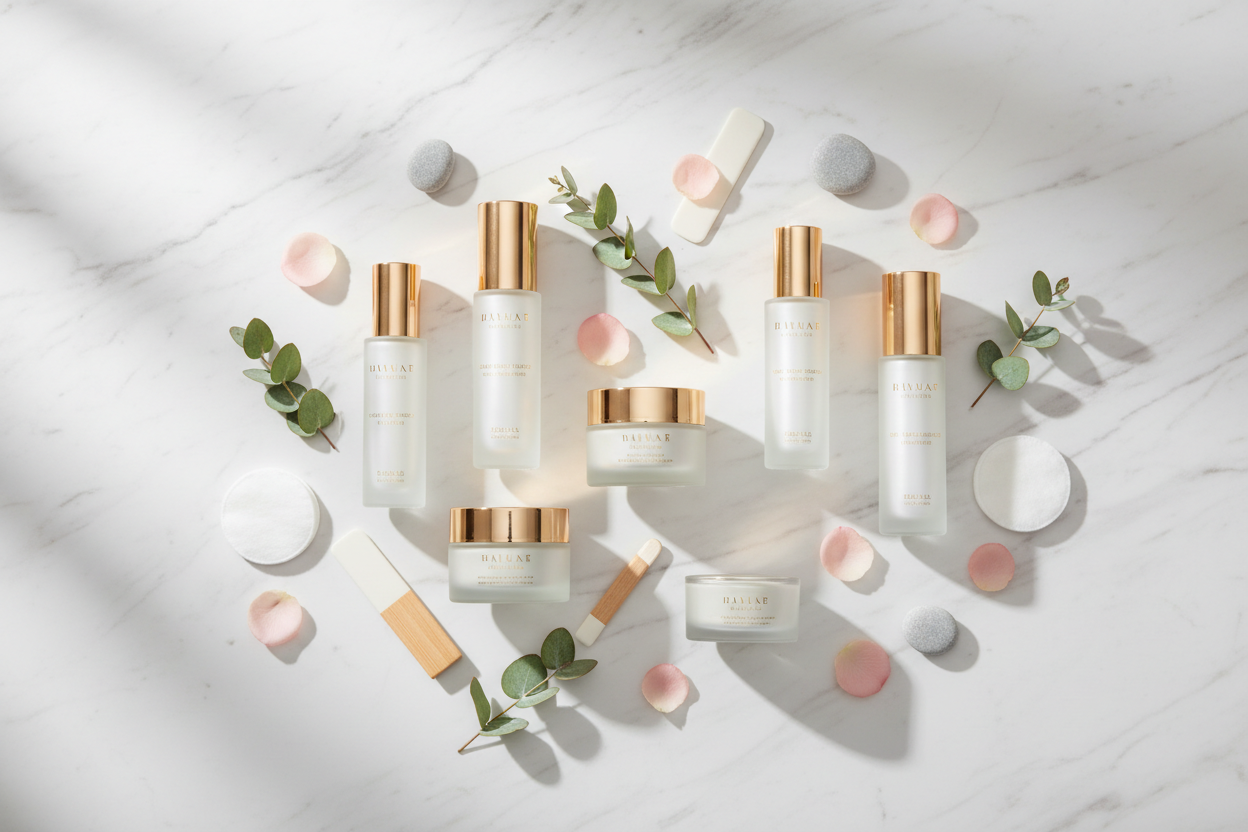
10 Skincare Routines for Glowing Skin: Dermatologist-Approved Methods
There’s something magical about that natural, healthy glow that makes skin look radiant from within. While genetics play a role, achieving luminous skin is more attainable than you might think. After consulting with leading dermatologists and reviewing countless studies, I’ve compiled ten science-backed skincare routines that can transform your complexion and give you that coveted healthy glow.
Whether you’re dealing with dullness, uneven texture, or simply want to enhance your natural radiance, these dermatologist-approved methods will help you build an effective routine tailored to your skin’s unique needs. The best part? You don’t need an extensive collection of expensive products to see real results.
The Foundation: Understanding Your Skin Type
Before diving into specific routines, it’s crucial to understand your skin type. Dr. Sarah Chen, a board-certified dermatologist, emphasizes that “the most effective skincare routine is one that’s personalized to your skin’s specific needs.” Your skin type determines which ingredients will work best and how often you should use certain products.
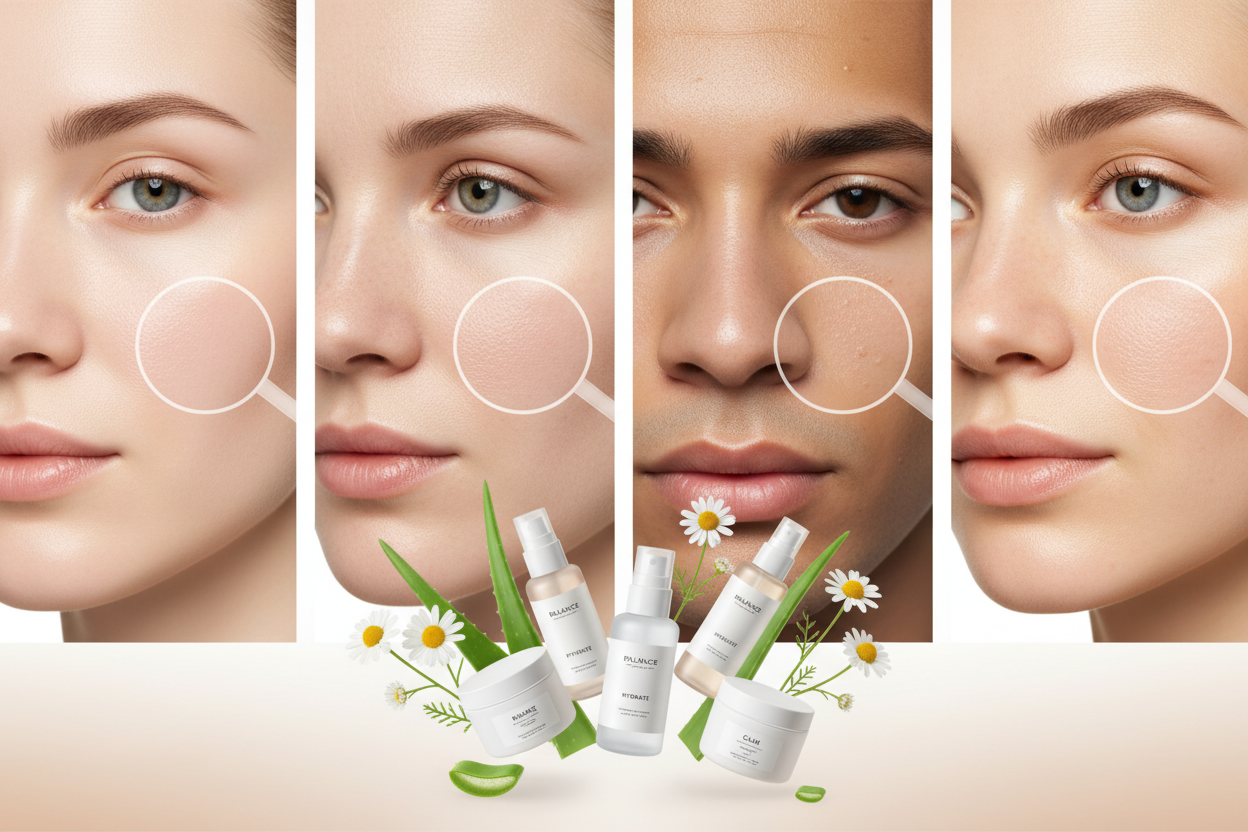
Most people fall into one of four categories: normal, dry, oily, or combination skin. Additionally, you might have sensitive skin or specific concerns like acne or hyperpigmentation. Take time to observe how your skin feels throughout the day and how it reacts to different products. This knowledge will be your roadmap to glowing skin.
Routine 1: The Gentle Morning Glow Method
This routine focuses on protection and hydration, perfect for those with sensitive or dry skin. Start with a gentle, cream-based cleanser that won’t strip your skin’s natural oils. Follow with a vitamin C serum containing L-ascorbic acid or magnesium ascorbyl phosphate, which brightens skin and provides antioxidant protection.
Next, apply a lightweight moisturizer with hyaluronic acid to lock in hydration. The final and most crucial step is broad-spectrum SPF 30 or higher. Dr. Michael Rodriguez, a dermatologist with over 15 years of experience, notes that “consistent sun protection is the single most important factor in maintaining healthy, glowing skin.”
Routine 2: The Oil Control Radiance Regimen
Oily skin can still achieve a beautiful glow without looking greasy. Begin with a foaming cleanser containing salicylic acid to gently exfoliate and control oil production. Follow with a niacinamide serum, which helps regulate sebum production while maintaining skin barrier function.
Use a gel-based moisturizer with ingredients like glycerin or sodium hyaluronate. These provide hydration without adding excess oil. Many people with oily skin skip moisturizer, but this actually triggers more oil production as your skin tries to compensate for the dryness.
Routine 3: The Anti-Aging Luminosity Protocol
This routine targets fine lines while promoting a youthful glow. Start your evening routine with a gentle cleanser, then apply a retinol or retinoid product. Begin with a low concentration and gradually increase as your skin builds tolerance. Retinoids are the gold standard for anti-aging, promoting cell turnover and collagen production.
Follow with a rich moisturizer containing peptides or ceramides to support skin barrier repair. In the morning, always use vitamin C and SPF, as retinoids can increase photosensitivity. This combination of evening repair and morning protection creates the perfect environment for radiant, youthful skin.
Routine 4: The Hydration Boost Method
Dehydrated skin lacks the plumpness and radiance that well-hydrated skin displays. This routine layers multiple hydrating ingredients for maximum moisture retention. Start with a hydrating toner or essence containing hyaluronic acid or glycerin.
Apply a vitamin E serum for additional moisture and antioxidant benefits. Follow with a moisturizer containing squalane or ceramides. For an extra boost, use a hydrating face mask twice weekly. Dr. Lisa Park, a cosmetic dermatologist, explains that “layering lightweight, hydrating products is more effective than using one heavy cream.”
Routine 5: The Exfoliation Excellence Approach
Regular exfoliation removes dead skin cells that can make your complexion look dull and uneven. This routine incorporates both chemical and physical exfoliation safely. Use a gentle physical exfoliant with fine particles once or twice weekly, avoiding harsh scrubs that can cause micro-tears.
Incorporate a chemical exfoliant containing alpha hydroxy acids (AHAs) like glycolic acid or lactic acid 2-3 times per week. Start slowly and observe how your skin responds. Always follow exfoliation with a soothing moisturizer and never forget SPF the next day, as exfoliated skin is more sensitive to sun damage.
Routine 6: The Natural Ingredient Glow Strategy
For those preferring natural skincare solutions, this routine harnesses the power of botanicals and naturally-derived ingredients. Use a cleanser with green tea or chamomile for their anti-inflammatory properties. Follow with a vitamin C serum derived from kakadu plum or acerola cherry.
Apply a moisturizer containing natural oils like jojoba or rosehip seed oil, which provide nourishment without clogging pores. Include a weekly honey mask, as raw honey has antimicrobial and humectant properties that promote healing and hydration.
Routine 7: The Problem-Solving Radiance Plan
This routine addresses specific skin concerns while maintaining overall glow. For acne-prone skin, use a cleanser with benzoyl peroxide or salicylic acid. For hyperpigmentation, incorporate ingredients like kojic acid, arbutin, or hydroquinone under dermatologist guidance.
The key is addressing your primary concern with targeted treatments while supporting overall skin health with gentle, nourishing products. Don’t try to tackle every issue at once – focus on one primary concern while maintaining a basic cleanse, moisturize, and protect routine.
Routine 8: The Minimalist Glow Approach
Sometimes less is more, especially for sensitive skin or those new to skincare. This simplified routine focuses on three essential steps: gentle cleansing, effective moisturizing, and sun protection. Use a mild, fragrance-free cleanser that doesn’t leave your skin feeling tight.
Choose a moisturizer appropriate for your skin type with minimal ingredients to reduce the risk of irritation. A quality broad-spectrum sunscreen completes this routine. Dr. Amanda Foster, a dermatologist specializing in sensitive skin, advocates that “a consistent, simple routine often yields better results than complicated regimens with multiple active ingredients.”
Routine 9: The Evening Recovery Ritual
Your skin repairs itself most actively during sleep, making your evening routine crucial for achieving that morning glow. Double cleanse to remove makeup, sunscreen, and daily pollutants. Start with an oil-based cleanser followed by a water-based cleanser.
Apply treatments like retinoids, peptides, or growth factors that work best during the skin’s natural repair cycle. Use a richer moisturizer than your morning routine, and consider adding a facial oil for extra nourishment. Some people benefit from overnight masks or sleeping packs for intensive hydration.
Routine 10: The Seasonal Adaptation Method
Your skin’s needs change with the seasons, and adapting your routine accordingly ensures year-round radiance. In winter, focus on richer moisturizers and gentle cleansers to combat dryness from indoor heating and cold weather. Summer calls for lightweight, oil-free products and increased sun protection.
Spring and fall are perfect times to introduce new active ingredients or adjust your routine gradually. Pay attention to how environmental factors like humidity, temperature, and sun exposure affect your skin, and modify your products accordingly.
Building Your Perfect Routine
Creating your ideal skincare routine is a personal journey that requires patience and observation. Start with the basics – cleanser, moisturizer, and SPF – then gradually introduce additional products based on your specific needs and goals. Remember that consistency trumps complexity when it comes to achieving glowing skin.
It typically takes 4-6 weeks to see significant changes in your skin, so give each routine adequate time before making major adjustments. Keep a skincare journal to track what works and what doesn’t, noting any reactions or improvements you observe.
The path to radiant skin isn’t about following the latest trends or using the most expensive products. It’s about understanding your skin, choosing appropriate ingredients, and maintaining consistent habits that support your skin’s natural functions. With these dermatologist-approved routines as your guide, you’re well on your way to achieving that healthy, natural glow you’ve been seeking.
Frequently Asked Questions
How long does it take to see results from a new skincare routine?
Most people begin to notice improvements in skin texture and hydration within 2-4 weeks of starting a new routine. However, significant changes in issues like hyperpigmentation, fine lines, or acne may take 6-12 weeks to become apparent. Patience and consistency are key to achieving lasting results.
Can I use multiple active ingredients in the same routine?
Yes, but it’s important to introduce them gradually and understand potential interactions. For example, retinoids and AHAs can be used together but may cause irritation if introduced simultaneously. Start with one active ingredient, allow your skin to adjust for several weeks, then slowly add others if needed.
Should my morning and evening routines be different?
Absolutely. Morning routines should focus on protection with antioxidants and SPF, while evening routines emphasize repair with ingredients like retinoids and richer moisturizers. Your skin has different needs at different times of day, and tailoring your routine accordingly maximizes effectiveness.
How do I know if a product is causing irritation?
Signs of product irritation include redness, burning, stinging, excessive dryness, or new breakouts that appear shortly after introducing a product. If you experience these symptoms, discontinue use immediately and allow your skin to recover before trying alternative products.
Is expensive skincare always better than drugstore options?
Not necessarily. Many drugstore products contain the same active ingredients as high-end alternatives at much lower prices. The key is reading ingredient lists and choosing products with proven, effective components regardless of price point. Sometimes you’re paying for packaging and marketing rather than superior formulation.