
The Rise of Pittsburgh Digital Audio: A Complete History
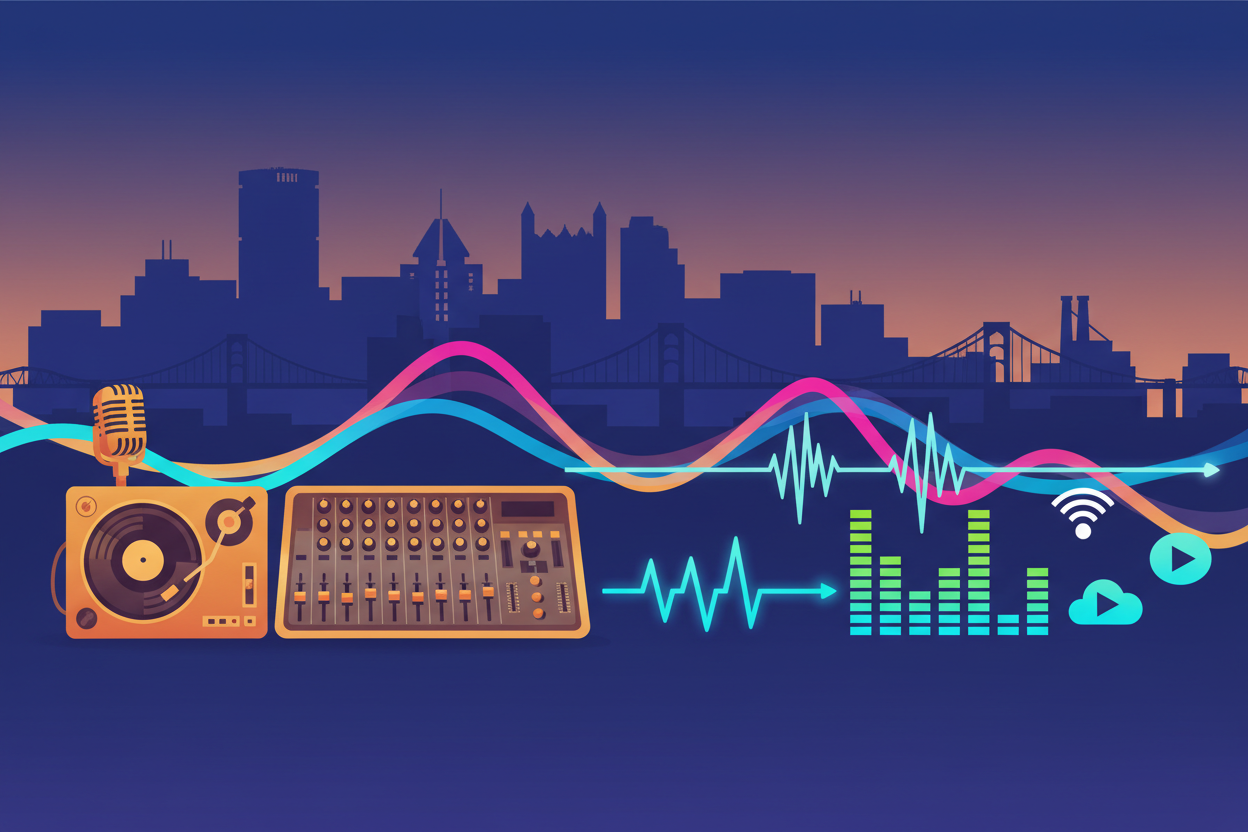
When you think of Pittsburgh, steel mills and sports teams probably come to mind first. But what many people don’t realize is that the Steel City has quietly become one of America’s most vibrant digital audio hubs. From pioneering radio stations embracing digital technology to cutting-edge podcast studios and music production facilities, Pittsburgh’s audio landscape has undergone a remarkable transformation over the past three decades.
This journey from analog to digital didn’t happen overnight. It’s a story of innovation, adaptation, and the unique entrepreneurial spirit that defines Pittsburgh. Whether you’re an audio enthusiast, a local business owner, or simply curious about how technology shapes our cities, understanding Pittsburgh’s digital audio evolution offers fascinating insights into the broader changes reshaping American media.

The Foundation Years: Pittsburgh’s Audio Legacy
Pittsburgh’s relationship with audio technology stretches back much further than the digital revolution. The city’s first radio station, KDKA, made history on November 2, 1920, when it broadcast the Harding-Cox presidential election results. This wasn’t just Pittsburgh making waves – it was one of the first commercial radio broadcasts in the United States.
Throughout the mid-20th century, Pittsburgh maintained its position as a regional broadcasting powerhouse. Stations like WTAE, KDKA-AM, and WDVE became household names, serving not just the city but much of western Pennsylvania. The presence of major corporations like Westinghouse Electric Corporation, which owned several radio stations, created a fertile environment for audio innovation.
By the 1980s, Pittsburgh had established itself as more than just a consumer of audio content – it was becoming a creator. Local recording studios began attracting regional and national acts, while the city’s universities started developing programs that would later contribute to the digital audio boom.
The Digital Dawn: Early Adoption in the 1990s
The 1990s marked the beginning of Pittsburgh’s digital audio transformation. While many cities were slow to embrace new technologies, Pittsburgh’s combination of technical expertise and entrepreneurial spirit created perfect conditions for early adoption.
Local radio stations began experimenting with digital broadcasting equipment earlier than many of their counterparts in other markets. WDVE was among the first stations in the region to implement digital mixing boards and computer-based audio storage systems. This wasn’t just about keeping up with technology – it was about improving sound quality and operational efficiency.
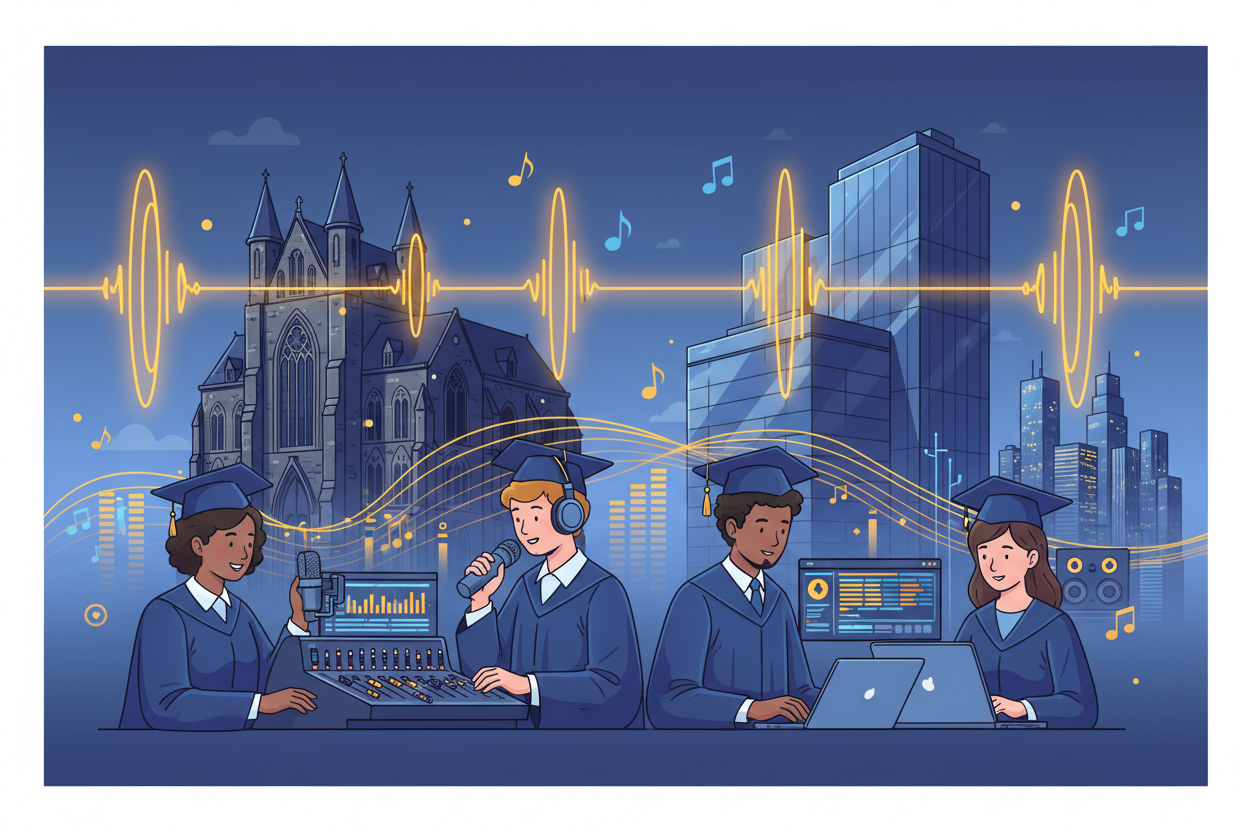
During this period, Carnegie Mellon University’s computer science and engineering programs began producing graduates who would later become key figures in the digital audio industry. The university’s research into digital signal processing and audio compression technologies contributed to innovations that would later be adopted nationwide.
Small recording studios throughout the city started making the transition from analog tape to digital recording systems. Studios like Soundworks and Suma Recording began offering digital services that attracted musicians from across the region, establishing Pittsburgh as a destination for high-quality audio production.
The Internet Revolution: Streaming and Online Audio
The late 1990s and early 2000s brought the internet revolution, and Pittsburgh was ready. The city’s radio stations were among the first to offer online streaming, recognizing early on that digital distribution would fundamentally change how people consume audio content.
KDKA launched its online streaming service in 1998, allowing Pittsburgh expatriates around the world to stay connected to their hometown station. This move proved prescient – within a few years, internet radio would become a standard offering for stations nationwide.
Local entrepreneurs began launching internet-only radio stations and early podcast-like programming. The University of Pittsburgh and Carnegie Mellon both started student-run internet radio stations that served as testing grounds for new digital audio technologies and content formats.
Perhaps more importantly, this period saw the emergence of Pittsburgh-based companies focused on digital audio technology. Startups began developing software for audio editing, streaming, and distribution, many of them founded by graduates from local universities who chose to stay in the city rather than migrate to traditional tech hubs.
The Podcast Boom: Pittsburgh Finds Its Voice
When podcasting exploded in the mid-2000s, Pittsburgh was uniquely positioned to take advantage. The city’s combination of broadcasting heritage, technical expertise, and diverse population created an ideal environment for podcast innovation.
Local media personalities began launching independent podcasts, often focusing on Pittsburgh-specific content that resonated with both local audiences and the diaspora of former Pittsburghers living elsewhere. Sports podcasts covering the Steelers, Penguins, and Pirates found particularly enthusiastic audiences.
The city’s universities played a crucial role in podcast development. Students and faculty began experimenting with long-form audio content, creating shows that covered everything from local history to cutting-edge research. These academic podcasts helped establish Pittsburgh’s reputation for thoughtful, well-produced audio content.
By 2010, Pittsburgh had developed a thriving podcast ecosystem that included both amateur enthusiasts and professional producers. Local businesses began recognizing podcasts as valuable marketing tools, leading to increased investment in podcast production and advertising.
Modern Pittsburgh: A Digital Audio Powerhouse
Today’s Pittsburgh digital audio scene is remarkably sophisticated and diverse. The city hosts numerous podcast networks, digital audio production companies, and innovative startups that serve clients nationwide.
Professional podcast studios have emerged throughout the city, offering everything from basic recording services to full-service production and distribution. Companies like Pittsburgh Podcast Studio and Steel City Audio have built reputations that extend well beyond the local market.
The city’s traditional radio stations have successfully navigated the digital transition, maintaining strong local audiences while expanding their reach through streaming, podcasting, and social media integration. Many have developed hybrid models that combine traditional broadcasting with on-demand digital content.
Pittsburgh’s music scene has also benefited from the digital audio revolution. Local musicians now have access to professional-quality recording and distribution services that were previously available only in major music centers like Nashville or Los Angeles.
Key Players and Innovators
Several individuals and organizations deserve special recognition for their contributions to Pittsburgh’s digital audio success. Radio personalities like Lynn Cullen and John Shumway successfully transitioned from traditional broadcasting to digital platforms, maintaining loyal audiences while embracing new technologies.
Entrepreneurs like Mark Cuban, though now associated with Dallas, got their start in Pittsburgh’s early digital audio scene. Local business leaders recognized the potential of digital audio early and invested in the infrastructure and talent needed to build a sustainable industry.
Academic institutions continue to play vital roles. Carnegie Mellon’s Entertainment Technology Center has produced numerous innovations in audio technology, while the University of Pittsburgh’s media programs have trained many of the professionals now working in the city’s digital audio industry.
Corporate players have also contributed significantly. Companies like ANSYS and PPG Industries have supported audio technology research and development, while local banks and investment firms have provided crucial funding for audio startups.
Challenges and Opportunities
Despite its success, Pittsburgh’s digital audio industry faces ongoing challenges. Competition from larger markets remains intense, and the city must work to retain talent who might otherwise migrate to coastal tech hubs.
The COVID-19 pandemic initially disrupted many aspects of the industry, but it also created new opportunities. Remote recording and production became more common, allowing Pittsburgh-based companies to serve clients worldwide without the traditional geographic limitations.
Looking forward, emerging technologies like artificial intelligence and immersive audio present both opportunities and challenges. Pittsburgh’s research institutions and tech companies are well-positioned to contribute to these developments, but success will require continued investment and collaboration.
The city’s relatively low cost of living compared to major coastal markets remains a significant advantage. This allows audio professionals to build sustainable careers while maintaining quality of life, attracting talent from more expensive markets.
The Future of Pittsburgh Digital Audio
Pittsburgh’s digital audio future looks bright, with several trends pointing toward continued growth and innovation. The city’s strong educational institutions ensure a steady supply of skilled professionals, while its entrepreneurial culture encourages innovation and risk-taking.
Emerging technologies like spatial audio and voice-activated content creation are areas where Pittsburgh companies are already making contributions. The city’s gaming and entertainment technology sectors provide natural synergies with audio innovation.
Local government support for tech industry development has created favorable conditions for audio companies to start and grow. Initiatives like the Pittsburgh Technology Council and various startup incubators provide resources and networking opportunities that benefit the entire ecosystem.
The growing recognition of podcasting and digital audio as legitimate media industries has attracted investment and talent to Pittsburgh. National media companies are beginning to establish operations in the city, drawn by the combination of skilled workforce and reasonable costs.
Conclusion
Pittsburgh’s transformation from a steel-producing industrial city to a digital audio innovation hub represents one of the most successful examples of economic diversification in American urban history. The city’s unique combination of technical expertise, entrepreneurial spirit, and cultural richness has created an environment where digital audio can thrive.
From KDKA’s pioneering radio broadcasts to today’s sophisticated podcast networks and audio technology companies, Pittsburgh has consistently been at the forefront of audio innovation. The city’s ability to adapt to changing technologies while maintaining its distinctive character has been key to this success.
As we look toward the future, Pittsburgh’s digital audio industry appears well-positioned for continued growth. The foundation built over the past three decades – combining educational excellence, entrepreneurial energy, and community support – provides a solid platform for whatever innovations lie ahead.
For anyone interested in digital audio, whether as a creator, consumer, or investor, Pittsburgh offers a compelling case study in how cities can successfully navigate technological transitions. The Steel City’s audio story is far from over – in many ways, it’s just beginning.
Frequently Asked Questions
When did Pittsburgh first start broadcasting radio?
Pittsburgh began radio broadcasting on November 2, 1920, when KDKA aired the Harding-Cox presidential election results. This was one of the first commercial radio broadcasts in the United States.
What makes Pittsburgh unique in the digital audio industry?
Pittsburgh combines strong educational institutions like Carnegie Mellon University, a rich broadcasting heritage, relatively low costs compared to coastal markets, and a supportive entrepreneurial ecosystem that encourages audio innovation.
How has the podcast industry developed in Pittsburgh?
Pittsburgh’s podcast scene began developing in the mid-2000s, building on the city’s broadcasting heritage and technical expertise. Today, the city hosts numerous professional podcast studios, networks, and production companies serving both local and national markets.
What role do universities play in Pittsburgh’s digital audio scene?
Local universities, particularly Carnegie Mellon and the University of Pittsburgh, contribute through research, education, and talent development. They’ve produced many of the professionals now working in the industry and continue to drive innovation in audio technology.
What challenges does Pittsburgh’s digital audio industry face?
The main challenges include competition from larger markets, talent retention, and keeping pace with rapidly evolving technologies. However, the city’s lower costs and quality of life help offset these challenges.
How did COVID-19 impact Pittsburgh’s digital audio industry?
While initially disruptive, the pandemic ultimately created new opportunities by normalizing remote recording and production, allowing Pittsburgh-based companies to serve clients worldwide more easily than before.
LIVE PITTSBURGH RADIO
BOOKMARK RadioPGH!!