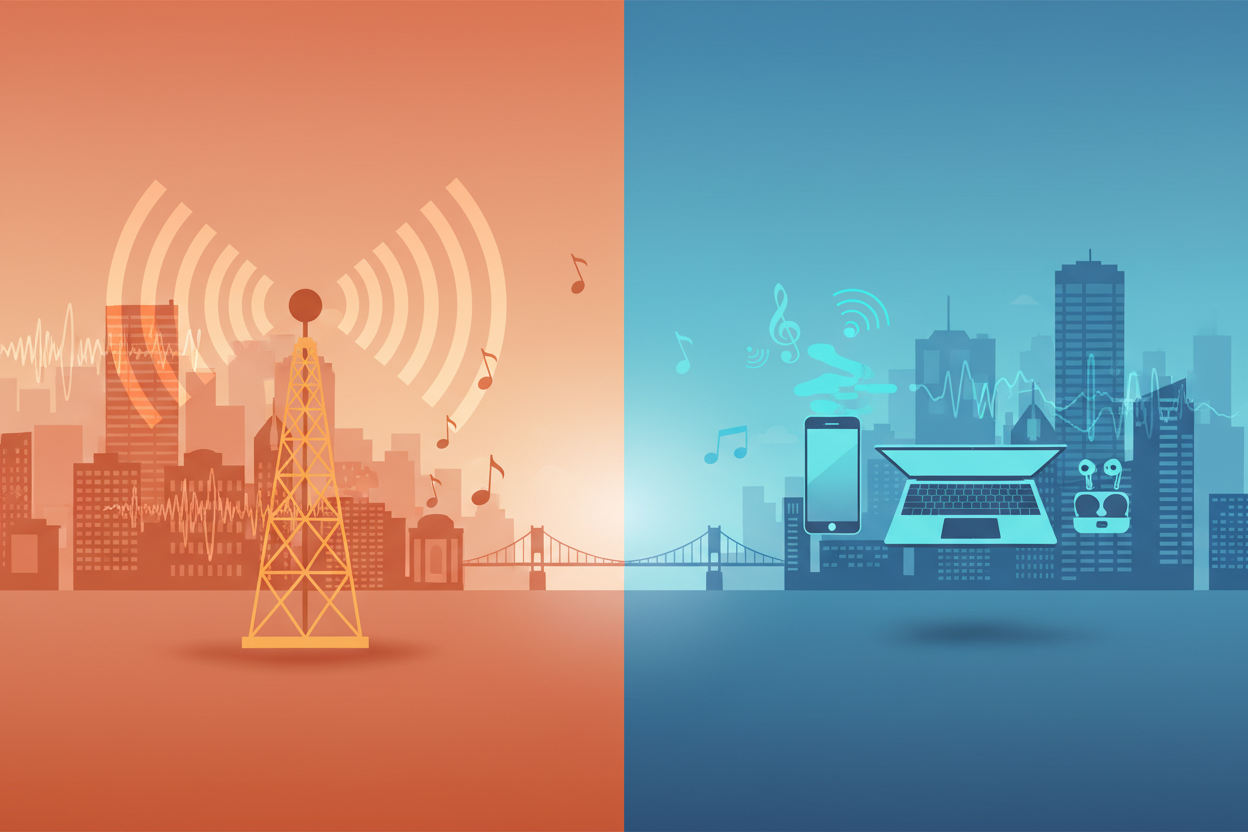

The Technology Powering Pittsburgh’s Best Web Radio Stations
Pittsburgh’s radio landscape has undergone a remarkable transformation in recent years. While traditional AM and FM stations continue to serve the Steel City, a new wave of web-based radio stations has emerged, offering listeners unprecedented variety, quality, and interactivity. Behind these digital airwaves lies sophisticated technology that’s revolutionizing how Pittsburghers discover and consume audio content.
From streaming protocols that ensure crystal-clear audio quality to artificial intelligence systems that curate personalized playlists, the technology powering Pittsburgh’s web radio stations represents a fascinating blend of cutting-edge innovation and time-tested broadcasting principles. Let’s dive into the digital infrastructure that’s making these stations possible and explore how they’re reshaping the city’s media landscape.
The Foundation: Streaming Technology and Audio Codecs
At the heart of every successful web radio station lies robust streaming technology. Pittsburgh’s top internet radio broadcasters rely on advanced audio codecs like AAC (Advanced Audio Coding) and MP3 to deliver high-quality sound while managing bandwidth efficiently. These codecs compress audio files without significantly compromising quality, ensuring that listeners can enjoy their favorite shows whether they’re connected via high-speed fiber or mobile data.
Many of Pittsburgh’s premier web radio stations have adopted HLS (HTTP Live Streaming) and DASH (Dynamic Adaptive Streaming over HTTP) protocols. These technologies automatically adjust audio quality based on the listener’s internet connection speed, preventing those frustrating buffering interruptions that can kill the mood during a perfectly curated music set.

The city’s web radio pioneers have also embraced CDN (Content Delivery Network) technology, distributing their streams across multiple servers worldwide. This means that whether you’re listening from Shadyside or streaming from across the globe, you’ll experience minimal latency and consistent audio quality.
Cloud Infrastructure: The Backbone of Modern Broadcasting
Gone are the days when radio stations needed massive, expensive hardware setups. Pittsburgh’s innovative web radio stations are leveraging cloud computing platforms like Amazon Web Services, Google Cloud, and Microsoft Azure to scale their operations efficiently. This cloud-first approach allows smaller stations to compete with larger broadcasters without the traditional barriers to entry.
Cloud-based broadcasting solutions offer several advantages that Pittsburgh stations are capitalizing on. Auto-scaling capabilities ensure that servers can handle sudden spikes in listenership during popular shows or breaking news events. Additionally, cloud storage solutions provide virtually unlimited space for music libraries, podcast archives, and promotional content.
Many local stations are using services like Icecast and SHOUTcast, which provide reliable streaming server software that can be deployed in the cloud. These platforms handle the technical complexities of stream distribution, allowing station operators to focus on content creation and audience engagement rather than server management.
Automation and AI: The Smart Side of Radio
Pittsburgh’s web radio stations are increasingly incorporating artificial intelligence and automation technologies to enhance their programming and operational efficiency. AI-powered music recommendation engines analyze listener behavior, preferences, and demographic data to create more engaging playlists and suggest new content that resonates with specific audience segments.
Automated scheduling systems have become essential tools for many stations, allowing them to maintain consistent programming even with limited staff. These systems can seamlessly transition between live shows, pre-recorded content, and music blocks while inserting appropriate station identifications and promotional materials at optimal intervals.
Voice processing technology is another area where Pittsburgh stations are innovating. Advanced audio processing algorithms can automatically adjust levels, apply compression, and even enhance vocal clarity in real-time, ensuring professional-quality broadcasts regardless of the presenter’s technical expertise.
Interactive Features: Connecting with the Digital Audience
What sets web radio apart from traditional broadcasting is its inherent interactivity. Pittsburgh’s leading internet radio stations are implementing sophisticated engagement technologies that transform passive listeners into active participants in the broadcasting experience.
Real-time chat systems integrated directly into station websites and mobile apps allow listeners to communicate with hosts and fellow audience members during live shows. These platforms often include moderation tools and spam filters to maintain a positive community environment.
Social media integration has become crucial for audience engagement. Many Pittsburgh web radio stations use automated systems that can simultaneously broadcast content across multiple social platforms, share now-playing information, and even allow social media interactions to influence on-air content.
Request systems have evolved far beyond simple phone calls. Modern web radio platforms feature sophisticated request management systems that can handle song requests, dedications, and even allow listeners to vote on upcoming playlist selections through web interfaces and mobile applications.
Mobile Technology: Radio in Your Pocket
The mobile revolution has been particularly important for Pittsburgh’s web radio scene. Station operators are investing heavily in mobile app development and responsive web design to ensure their content is accessible across all devices. Progressive Web Apps (PWAs) have become increasingly popular, offering app-like experiences without requiring downloads from app stores.
Push notification systems keep listeners informed about special programming, breaking news, or favorite show schedules. Geolocation services allow stations to provide location-specific content, such as traffic updates for different Pittsburgh neighborhoods or weather information relevant to specific areas of the city.
Offline listening capabilities are becoming standard features, allowing users to download content for later consumption. This is particularly valuable for podcast-style programming and special feature content that listeners might want to revisit.
Analytics and Data: Understanding the Audience
Modern web radio stations have access to unprecedented amounts of listener data, and Pittsburgh broadcasters are using sophisticated analytics platforms to understand their audiences better than ever before. Real-time analytics dashboards provide insights into listener demographics, geographic distribution, listening duration, and content preferences.
Heat mapping technology shows station operators which parts of their programming generate the most engagement, helping them optimize show formats and content selection. A/B testing capabilities allow stations to experiment with different approaches to programming, advertising, and user interface design to maximize listener satisfaction and retention.
Predictive analytics are helping Pittsburgh stations anticipate listener behavior and preferences, enabling more effective programming decisions and targeted content creation. This data-driven approach is allowing smaller stations to compete more effectively with larger broadcasters by serving niche audiences with precisely tailored content.
The Future of Web Radio Technology in Pittsburgh
As we look toward the future, Pittsburgh’s web radio landscape continues to evolve rapidly. Emerging technologies like 5G networks promise to deliver even higher quality audio streams with lower latency, potentially enabling new forms of interactive programming that weren’t previously possible.
Virtual and augmented reality integration represents an exciting frontier for web radio. Some forward-thinking Pittsburgh stations are already experimenting with VR concert experiences and AR-enhanced mobile applications that overlay additional information about currently playing music or provide visual elements that complement audio content.
Blockchain technology is beginning to find applications in web radio, particularly for music rights management and micropayment systems that could revolutionize how artists are compensated for radio play. Smart contracts could automate royalty payments and provide more transparent accounting for music usage.
The technology powering Pittsburgh’s web radio stations represents a fascinating convergence of traditional broadcasting expertise and cutting-edge digital innovation. From cloud-based infrastructure that enables global reach to AI systems that personalize the listening experience, these technological advances are creating new opportunities for both broadcasters and listeners.
As Pittsburgh continues to establish itself as a technology hub, the city’s web radio stations serve as excellent examples of how traditional media can be transformed through digital innovation. The combination of sophisticated streaming technology, interactive features, and data-driven programming is creating a more engaging and personalized radio experience that’s attracting listeners both locally and internationally.
Whether you’re a radio enthusiast curious about the technology behind your favorite stations or an aspiring broadcaster considering entering the web radio space, understanding these technological foundations is crucial. The barriers to entry have never been lower, but the potential for creating compelling, technology-enhanced radio experiences has never been higher.
Frequently Asked Questions
What internet speed do I need to listen to Pittsburgh web radio stations?
Most web radio stations require a minimum of 128 kbps for standard quality streaming, which translates to roughly 1 Mbps of available bandwidth. For high-quality streams, you’ll want at least 2-3 Mbps. Most modern internet connections can easily handle multiple simultaneous streams.
Can I listen to Pittsburgh web radio stations on my smartphone?
Absolutely! Most Pittsburgh web radio stations offer mobile-optimized websites and dedicated apps. Many also support streaming through popular platforms like TuneIn, iHeartRadio, and other aggregator services that are available on both iOS and Android devices.
Do Pittsburgh web radio stations pay music royalties?
Yes, legitimate web radio stations must pay royalties to organizations like ASCAP, BMI, and SoundExchange. The technology platforms they use often include built-in reporting systems that track music usage and facilitate proper royalty payments to artists and rights holders.
How do web radio stations handle technical difficulties or server outages?
Professional web radio stations typically use redundant systems and backup servers to minimize downtime. Cloud-based infrastructure often includes automatic failover capabilities that switch to backup systems if primary servers experience issues. Many stations also maintain multiple streaming endpoints to ensure continuous service.
Can I start my own web radio station in Pittsburgh?
Yes! The technology barriers are relatively low compared to traditional radio. You’ll need streaming software, a reliable internet connection, proper licensing for music content, and a platform to host your stream. Many cloud-based services offer complete solutions that can get you broadcasting within hours rather than months.
LIVE PITTSBURGH RADIO
BOOKMARK RadioPGH!!