Live Pittsburgh Radio vs Streaming: Which Wins in 2024?
Remember when your biggest audio entertainment decision was choosing between 93.7 The Fan or KDKA? Those days seem almost quaint now that we’re drowning in streaming options. As a longtime Pittsburgh resident who’s witnessed the city’s media landscape transform dramatically over the past decade, I find myself caught between nostalgia for traditional radio and the undeniable convenience of streaming platforms.
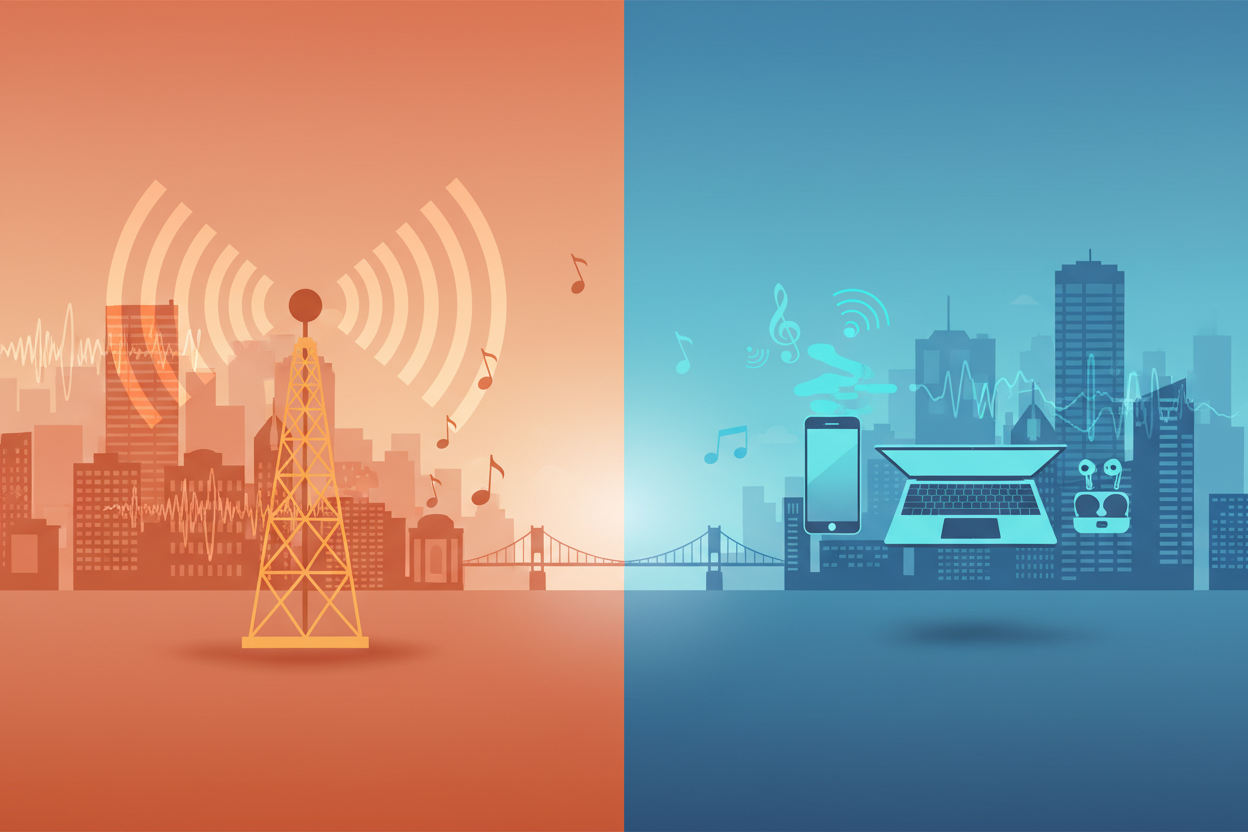
The battle between live Pittsburgh radio and streaming services has intensified in 2024, with both mediums fighting for your ears during that morning commute through the Fort Pitt Tunnel or while you’re working from your South Side apartment. But which format truly serves Pittsburgh listeners better? Let’s dive deep into this audio showdown that’s reshaping how Steel City residents consume their daily dose of music, news, and entertainment.
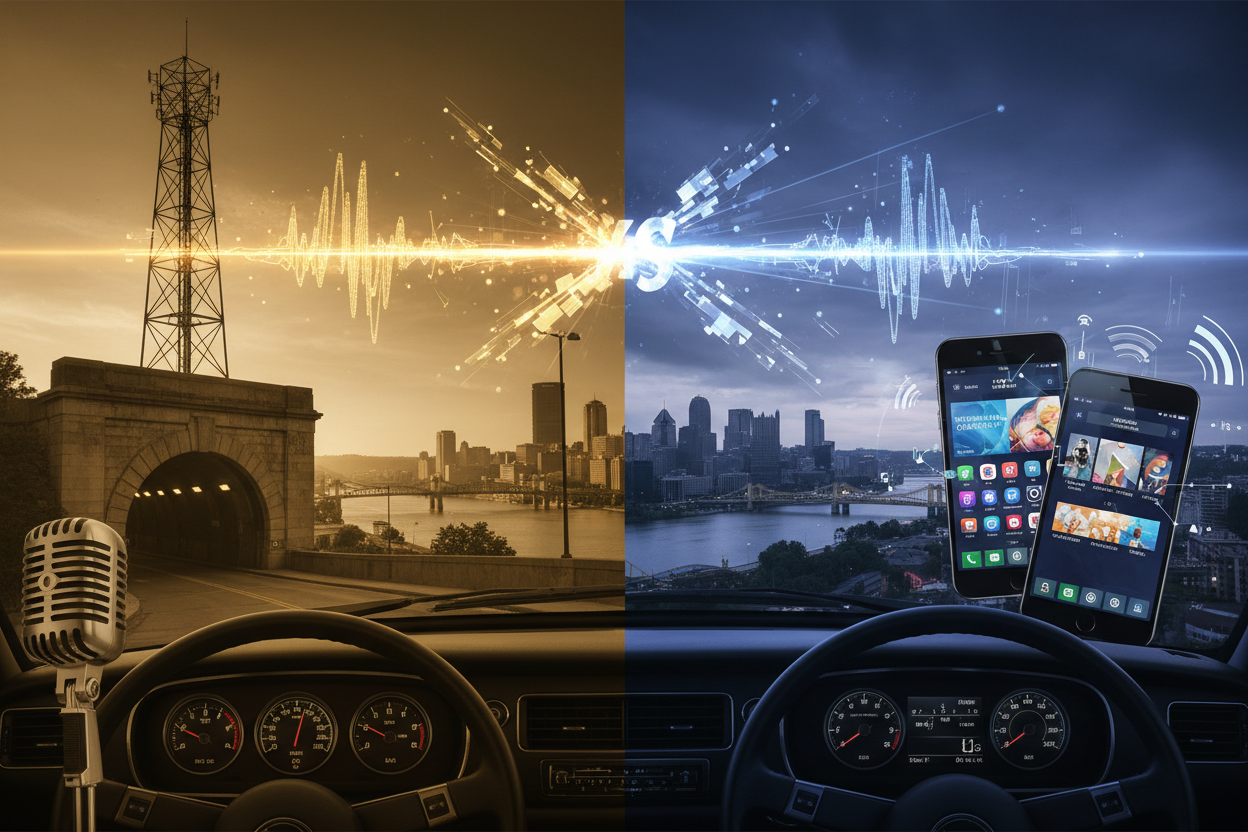
The Current State of Pittsburgh Radio in 2024
Pittsburgh’s radio landscape has undergone significant changes this year, with several stations adapting their programming to compete with streaming giants. Local powerhouses like WDVE 102.5, WXDX 105.9, and news stalwart KDKA 1020 AM have doubled down on their community connections while embracing digital platforms to extend their reach.
What makes Pittsburgh radio unique in 2024 is its hyper-local focus. When the Steelers make a controversial trade or when there’s construction affecting the Parkway East, you’ll hear about it first on local radio. Stations like 93.7 The Fan have built their reputation on providing real-time updates about everything from Pirates spring training to Penguins playoff runs, creating a sense of community that streaming algorithms simply can’t replicate.
However, traditional radio faces mounting challenges. Younger demographics increasingly gravitate toward on-demand content, and advertising revenue continues to shift toward digital platforms. Many Pittsburgh stations have responded by launching companion apps and podcast versions of popular shows, blurring the lines between traditional broadcasting and streaming.
Streaming Services: The Digital Revolution
Streaming platforms have fundamentally changed how we consume audio content, and Pittsburgh listeners have embraced this shift enthusiastically. Services like Spotify, Apple Music, Amazon Music, and newer players like YouTube Music offer unprecedented control over listening experiences.
The numbers tell a compelling story. Spotify alone boasts over 500 million active users worldwide, while Apple Music has captured significant market share with its seamless integration across Apple devices. For Pittsburgh residents juggling busy schedules between work downtown and weekend trips to Kennywood, the ability to pause, rewind, and customize playlists has proven invaluable.
Streaming’s algorithm-driven discovery features have also opened musical horizons for many listeners. Instead of hearing the same rotation of hits on local radio, streaming users can explore everything from obscure indie bands to international artists they’d never encounter on traditional airwaves. This personalization has created deeply loyal user bases willing to pay monthly subscription fees for ad-free experiences.
Convenience and Accessibility: A Head-to-Head Comparison
When it comes to pure convenience, streaming services hold significant advantages. You can start listening to your favorite playlist at home, seamlessly continue in your car via Bluetooth, and pick up where you left off at work using your computer. This continuity appeals to Pittsburgh’s mobile workforce, especially those commuting between neighborhoods like Lawrenceville, Shadyside, and the Strip District.
Streaming platforms also excel in accessibility features. Closed captioning for podcasts, offline downloading for areas with poor cell service (looking at you, certain spots along Route 28), and compatibility across multiple devices make streaming incredibly user-friendly.
However, live radio maintains its own convenience advantages. There’s no need to choose what to listen to – just turn on the radio and let experienced DJs curate your experience. For busy professionals rushing to catch the T downtown, this passive consumption can be refreshing. Radio also works reliably in areas where streaming might struggle due to data limitations or poor connectivity.
Content Quality and Local Programming
This category reveals perhaps the starkest differences between the two mediums. Pittsburgh radio stations excel at local content that streaming services simply cannot match. Morning shows like “The DVE Morning Show” or “The Fan Morning Show” provide local weather updates, traffic reports for specific Pittsburgh routes, and commentary on regional sports teams that creates genuine community value.
Local radio personalities become part of listeners’ daily routines, offering familiar voices that understand Pittsburgh culture, from discussing Primanti Brothers sandwiches to debating whether the Steelers should draft offense or defense. This localized content creates emotional connections that transcend mere entertainment.
Streaming services counter with superior audio quality and vast content libraries. High-fidelity streaming options provide crystal-clear sound that traditional radio broadcasting cannot match. Podcast libraries offer deep dives into niche topics, while music catalogs include virtually every song ever recorded, from mainstream hits to underground releases.
The content curation on streaming platforms has also improved dramatically. Spotify’s Discover Weekly and Apple Music’s personalized recommendations often introduce listeners to new favorites, while radio stations tend to stick with proven formulas that may feel repetitive over time.
Cost Analysis: Free vs Premium Options
Traditional radio remains completely free, supported by advertising that many longtime listeners have learned to tune out mentally. For budget-conscious Pittsburgh residents, this represents significant value, especially when gas prices and living costs continue rising.
Streaming services operate on freemium models that can become expensive quickly. Spotify’s premium service costs $10.99 monthly for individuals, while Apple Music charges $10.99 for individual plans and $16.99 for family subscriptions. Amazon Music and YouTube Music offer competitive pricing, but costs add up when households subscribe to multiple services.
However, streaming subscribers often find the investment worthwhile when considering the value proposition. Ad-free listening, unlimited skips, offline downloads, and access to exclusive content justify monthly fees for many users. Family plans can make streaming economical for households, especially when compared to the cost of purchasing individual albums or songs.
The advertising experience differs significantly between mediums. Radio commercials are timed and predictable, while free streaming services interrupt songs unpredictably, often creating jarring listening experiences that drive users toward paid subscriptions.
Community Connection and Local News
Pittsburgh radio’s greatest strength lies in its community connection. Local stations serve as information lifelines during emergencies, weather events, and breaking news situations. When severe storms knock out power across Allegheny County or when there’s a major accident on I-376, radio provides real-time updates that can genuinely impact daily decisions.
Radio personalities often become community fixtures, participating in local charity events, broadcasting from Pittsburgh festivals, and maintaining connections with local businesses and organizations. This community integration creates loyalty that extends beyond mere entertainment preferences.
Streaming services struggle to replicate this local connection. While they excel at personalized music discovery and on-demand content, they cannot provide the immediate, location-specific information that makes local radio invaluable during daily commutes or emergency situations.
However, streaming platforms have created their own communities through social sharing features, collaborative playlists, and podcast discussion forums. These digital communities can span geographical boundaries, connecting Pittsburgh listeners with like-minded individuals worldwide.
The Verdict: Which Format Wins in 2024?
After weighing all factors, the answer isn’t straightforward – and that’s actually good news for Pittsburgh listeners. Both formats serve different needs effectively, and the best approach often involves using both strategically.
Streaming services win decisively for personalized music discovery, audio quality, and on-demand convenience. They’re ideal for focused listening sessions, discovering new artists, and maintaining consistent audio experiences across multiple devices. For Pittsburgh residents with diverse musical tastes or specific podcast interests, streaming subscriptions provide excellent value.
Live Pittsburgh radio excels at community connection, local information, and passive entertainment. It remains unmatched for real-time traffic updates, local sports coverage, and emergency information. The human element – experienced DJs who understand local culture and can respond to current events – provides value that algorithms cannot replicate.
The most satisfied listeners in 2024 use both formats strategically: streaming for personal music enjoyment and podcast consumption, radio for local information and community connection. This hybrid approach maximizes the strengths of each medium while minimizing their respective weaknesses.
Frequently Asked Questions
Q: Can I listen to Pittsburgh radio stations online?
A: Yes, most major Pittsburgh radio stations offer online streaming through their websites and mobile apps. Stations like KDKA, WDVE, and 93.7 The Fan provide live streams and archived content digitally.
Q: Do streaming services offer local Pittsburgh content?
A: While streaming platforms don’t provide live local radio programming, many feature podcasts about Pittsburgh sports, history, and culture. Some local radio shows also distribute podcast versions through streaming platforms.
Q: Which option is better for discovering new music?
A: Streaming services generally excel at music discovery through algorithmic recommendations and vast catalogs. However, local radio DJs can introduce listeners to regional artists and provide cultural context that algorithms miss.
Q: How much data does streaming music use?
A: Standard quality streaming typically uses about 40-50 MB per hour, while high-quality streaming can consume 150+ MB hourly. Most streaming apps offer offline downloading to reduce data usage.
Q: Can I get local traffic and weather updates through streaming services?
A: Streaming services don’t provide real-time local traffic updates like radio stations do. For current Pittsburgh traffic and weather information, local radio remains the most reliable source.
Q: Are there any free streaming options without ads?
A: Most legitimate streaming services include ads in their free tiers. Some platforms offer limited ad-free trials, but sustained ad-free listening typically requires paid subscriptions.
LIVE PITTSBURGH RADIO
BOOKMARK RadioPGH!!