

The Future of Broadcasting: Pittsburgh’s Digital Revolution
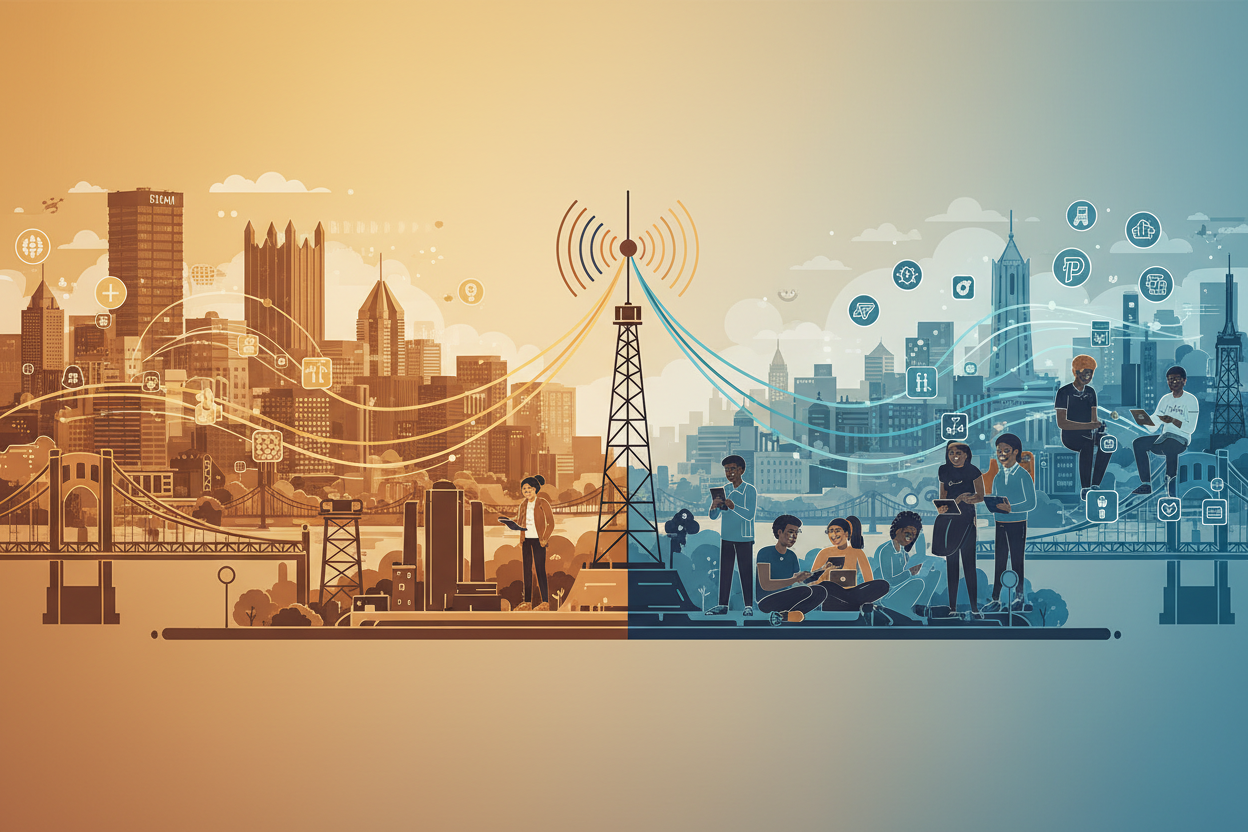
Pittsburgh has always been a city of innovation, from steel production to robotics, and now it’s leading the charge in broadcasting’s digital transformation. As traditional television and radio face unprecedented challenges, the Steel City is emerging as an unexpected pioneer in the next generation of media delivery. This digital revolution isn’t just changing how content is produced and consumed—it’s reshaping the entire landscape of local broadcasting in ways that could serve as a blueprint for cities across America.
The convergence of cutting-edge technology, creative talent, and forward-thinking media companies has positioned Pittsburgh at the forefront of broadcasting innovation. From streaming platforms to interactive content delivery, the city’s media ecosystem is evolving rapidly, creating new opportunities for both content creators and audiences alike.
Pittsburgh’s Broadcasting Heritage Meets Modern Innovation
Before diving into the future, it’s worth acknowledging Pittsburgh’s rich broadcasting history. The city was home to KDKA, one of America’s first commercial radio stations, which began broadcasting in 1920. This pioneering spirit has never left Pittsburgh’s media landscape, and today’s digital revolution builds upon nearly a century of broadcasting excellence.
Local stations like WPXI, WTAE, and KDKA-TV have been investing heavily in digital infrastructure, recognizing that the future of broadcasting lies not just in traditional over-the-air transmission, but in multi-platform content delivery. These established players are partnering with tech startups and leveraging Pittsburgh’s growing reputation as a technology hub to stay ahead of the curve.
The transformation isn’t happening in isolation. Pittsburgh’s universities, including Carnegie Mellon and the University of Pittsburgh, are producing graduates with expertise in digital media, artificial intelligence, and data analytics—skills that are becoming increasingly crucial in modern broadcasting operations.
Streaming Services and Local Content Creation
One of the most significant aspects of Pittsburgh’s digital broadcasting revolution is the rise of local streaming platforms and content creation studios. Unlike major metropolitan areas where content is often produced for national audiences, Pittsburgh has embraced hyperlocal streaming that serves the unique needs and interests of Western Pennsylvania residents.
Several Pittsburgh-based companies have launched streaming services that focus specifically on local sports, news, and cultural programming. These platforms aren’t trying to compete with Netflix or Hulu on a national scale; instead, they’re filling gaps that traditional broadcasters and national streaming services often overlook.
Local sports coverage has been particularly innovative, with some companies offering multiple camera angles, real-time statistics, and interactive features that allow viewers to customize their viewing experience. High school and college sports, which traditionally received limited coverage, now have dedicated streaming platforms that provide comprehensive coverage throughout the season.
The city’s vibrant arts scene has also benefited from these digital innovations. Local theaters, music venues, and cultural organizations are partnering with streaming platforms to reach audiences beyond their physical locations, creating new revenue streams and expanding their cultural impact.
Advanced Broadcasting Technologies Transforming Local Media
Pittsburgh’s digital broadcasting revolution extends far beyond simple streaming services. The city has become a testing ground for advanced technologies that are reshaping how content is produced, distributed, and consumed.
Artificial intelligence and machine learning are playing increasingly important roles in local broadcasting operations. News stations are using AI to analyze social media trends, identify breaking news stories, and even assist with basic news writing and fact-checking. This technology allows smaller news teams to compete more effectively with larger markets while maintaining high-quality journalism standards.
Virtual and augmented reality technologies are also finding their place in Pittsburgh’s broadcasting landscape. Weather forecasting has been revolutionized with immersive 3D visualizations that help viewers better understand complex weather patterns. Sports broadcasts now incorporate AR graphics that provide real-time player statistics and game analysis directly on viewers’ screens.
The implementation of 5G networks throughout Pittsburgh has enabled new possibilities for mobile broadcasting and live streaming. News teams can now broadcast high-quality video from virtually anywhere in the city without the need for traditional broadcast trucks, making coverage more agile and cost-effective.
Interactive and Personalized Viewing Experiences
Perhaps the most exciting aspect of Pittsburgh’s digital broadcasting revolution is the development of truly interactive and personalized viewing experiences. Traditional broadcasting was a one-way communication medium, but digital platforms are enabling two-way engagement that transforms passive viewers into active participants.
Local news programs are experimenting with real-time viewer polls, live Q&A sessions, and social media integration that allows audiences to influence coverage decisions. Some stations have developed mobile apps that let viewers choose which stories they want to see covered in more depth, creating a more democratic approach to news programming.
Sports broadcasting has embraced interactivity even more enthusiastically. Viewers can now access multiple camera angles, choose their own commentary tracks, and participate in live prediction games during broadcasts. Some platforms even offer virtual reality experiences that put viewers courtside or on the field during major sporting events.
Personalization algorithms, similar to those used by major streaming platforms, are being adapted for local content. These systems learn viewer preferences and can recommend local events, news stories, and programming based on individual interests and viewing history.
Challenges and Opportunities in Digital Broadcasting
While Pittsburgh’s digital broadcasting revolution presents numerous opportunities, it also faces significant challenges that must be addressed for continued growth and success.
One of the primary challenges is the digital divide that still exists within the city and surrounding areas. Not all residents have access to high-speed internet connections necessary for streaming and interactive content consumption. Local broadcasters and city officials are working together to expand broadband access and ensure that digital broadcasting innovations benefit all residents, not just those in affluent neighborhoods.
Monetization remains another significant challenge. Traditional advertising models don’t always translate effectively to digital platforms, particularly for smaller, local operations. Pittsburgh’s broadcasting companies are experimenting with subscription models, sponsored content, and innovative advertising formats that take advantage of digital platforms’ targeting capabilities.
The rapid pace of technological change also presents ongoing challenges. Broadcasting companies must continually invest in new equipment, software, and training to stay competitive. This is particularly challenging for smaller operations that may lack the resources of major network affiliates.
However, these challenges also create opportunities for innovation and collaboration. Pittsburgh’s tight-knit business community has fostered partnerships between established broadcasters, technology companies, and startups that might not occur in larger, more competitive markets.
The Economic Impact of Digital Broadcasting Innovation
Pittsburgh’s digital broadcasting revolution is creating significant economic opportunities throughout the region. The growth of local streaming platforms and digital content creation has led to job creation in areas ranging from software development to video production and digital marketing.
Many traditional broadcasting professionals are finding new career paths in digital media, while the city is also attracting talent from other markets who are drawn to Pittsburgh’s innovative broadcasting environment and relatively low cost of living.
The ripple effects extend beyond the media industry itself. Local businesses are benefiting from more sophisticated and targeted advertising opportunities, while the city’s growing reputation as a digital media hub is attracting investment and attention from national companies.
Educational institutions are also playing a crucial role in this economic transformation. Programs in digital media, broadcasting technology, and related fields are expanding to meet industry demand, ensuring a steady pipeline of qualified professionals to support continued growth.
Looking Ahead: Pittsburgh’s Broadcasting Future
As we look toward the future, Pittsburgh’s digital broadcasting revolution shows no signs of slowing down. Emerging technologies like blockchain for content distribution, advanced AI for automated content creation, and next-generation wireless networks promise to bring even more dramatic changes to the industry.
The city’s broadcasting companies are already experimenting with blockchain-based systems for content rights management and micropayments, potentially creating new revenue models for content creators and more flexible viewing options for consumers.
Artificial intelligence will likely play an even larger role in content production, with some experts predicting that AI could eventually handle routine news reporting, weather forecasting, and even sports commentary, freeing human broadcasters to focus on more complex and creative tasks.
The integration of Internet of Things (IoT) devices and smart city infrastructure could enable new forms of hyperlocal broadcasting, with content automatically tailored to specific neighborhoods or even individual streets based on real-time data about local conditions and events.
Pittsburgh’s digital broadcasting revolution represents more than just technological advancement—it’s a fundamental reimagining of how local media can serve communities in the digital age. By embracing innovation while maintaining focus on local needs and interests, Pittsburgh is creating a model that other cities across the country are beginning to emulate.
The success of this transformation will ultimately depend on continued collaboration between technology companies, traditional broadcasters, educational institutions, and the community itself. As Pittsburgh continues to evolve its digital broadcasting landscape, it’s setting the stage for a future where local media is more engaging, more accessible, and more responsive to community needs than ever before.
Frequently Asked Questions
What makes Pittsburgh’s digital broadcasting revolution unique compared to other cities?
Pittsburgh’s approach combines its strong technological infrastructure with a focus on hyperlocal content and community engagement. Unlike larger markets that often prioritize national content, Pittsburgh’s digital broadcasters are creating innovative solutions specifically for local audiences while leveraging the city’s tech talent and university partnerships.
How are traditional Pittsburgh TV stations adapting to digital broadcasting changes?
Local stations like WPXI, WTAE, and KDKA-TV are investing in streaming platforms, mobile apps, and interactive technologies. They’re also partnering with local tech companies and startups to develop new content delivery methods and audience engagement tools that complement their traditional broadcasts.
What role does Carnegie Mellon University play in Pittsburgh’s broadcasting innovation?
Carnegie Mellon and other local universities provide crucial research and development support, along with a steady pipeline of graduates skilled in AI, digital media, and broadcasting technology. Many broadcasting innovations in Pittsburgh emerge from university research programs or startup companies founded by graduates.
Are there job opportunities in Pittsburgh’s digital broadcasting sector?
Yes, the digital broadcasting revolution has created numerous job opportunities in software development, video production, digital marketing, content creation, and broadcast technology. The relatively low cost of living in Pittsburgh compared to major media markets makes it an attractive destination for broadcasting professionals.
How can viewers access Pittsburgh’s new digital broadcasting services?
Most services are available through mobile apps, streaming platforms, and smart TV applications. Many local broadcasters offer both free and subscription-based options, with some content available exclusively through digital platforms while other programming simulcasts traditional broadcasts.
What challenges does Pittsburgh face in expanding digital broadcasting access?
The primary challenge is ensuring broadband internet access reaches all neighborhoods and communities. City officials and broadcasting companies are working to address the digital divide and make high-speed internet more widely available to ensure all residents can benefit from digital broadcasting innovations.
LIVE PITTSBURGH RADIO
BOOKMARK RadioPGH!!