
The Economics of Running a Pittsburgh Streaming Station: A Complete Guide to Digital Broadcasting Success
The Steel City has always been a hub of innovation, and today’s digital landscape presents exciting opportunities for entrepreneurs looking to launch their own streaming stations. Whether you’re dreaming of starting a music channel, talk show, or niche content platform, understanding the economics behind running a Pittsburgh streaming station is crucial for long-term success. From startup costs to revenue streams, let’s dive deep into what it takes to build and sustain a profitable streaming operation in Pittsburgh.
Understanding the Pittsburgh Streaming Market Landscape
Pittsburgh’s unique position as a tech-forward city with strong cultural roots makes it an ideal location for streaming ventures. The city’s growing tech sector, combined with its rich musical heritage and passionate sports culture, creates diverse opportunities for content creators. Local streaming stations can tap into everything from Steelers game analysis to indie music showcases featuring Pittsburgh’s vibrant underground scene.
The market here differs significantly from major metropolitan areas like New York or Los Angeles. Pittsburgh audiences tend to value authenticity and community connection over flashy production values. This presents both challenges and opportunities for new streaming stations looking to establish themselves in the local market.
Initial Startup Costs and Equipment Investment
Starting a streaming station in Pittsburgh requires careful financial planning. Your initial investment will vary dramatically depending on your content goals and production quality expectations. A basic setup for audio-only streaming might cost as little as $2,000 to $5,000, while a professional video streaming operation could require $15,000 to $50,000 or more.
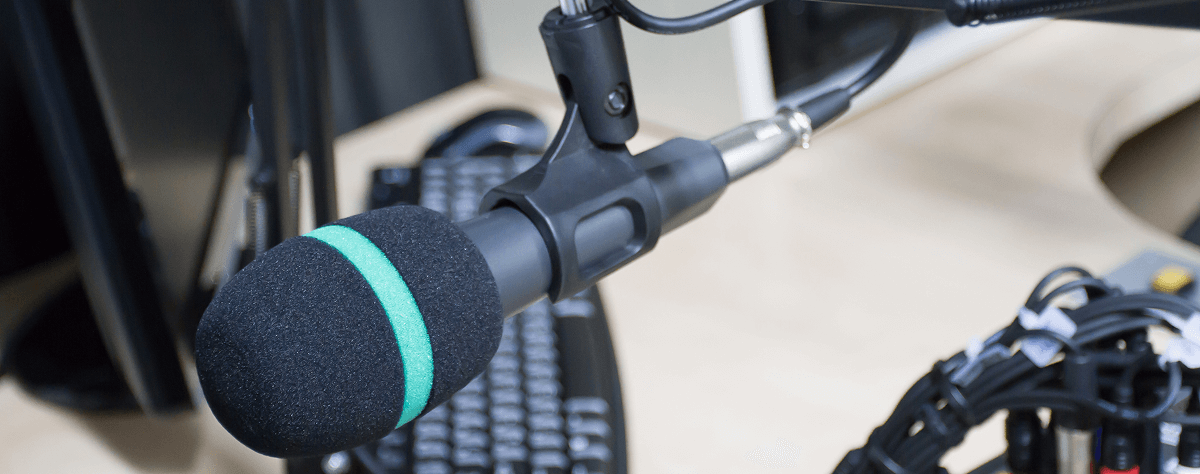
Essential equipment includes streaming software, audio interfaces, microphones, cameras (for video content), lighting equipment, and reliable internet infrastructure. Pittsburgh’s competitive internet market works in your favor here, with multiple high-speed options available at reasonable rates. Don’t forget about acoustic treatment for your studio space – Pittsburgh’s older buildings often require soundproofing investments.
Beyond hardware, you’ll need to budget for streaming platform subscriptions, music licensing fees, and potentially studio rental costs. Many successful Pittsburgh streamers start from home studios, gradually upgrading their equipment as revenue grows.
Ongoing Operational Expenses
Running a streaming station involves numerous recurring costs that can quickly add up. Internet service represents one of your largest monthly expenses – reliable, high-speed internet with sufficient upload bandwidth is non-negotiable. In Pittsburgh, expect to pay $80 to $200 monthly for business-grade internet suitable for streaming.
Content licensing fees vary widely depending on your programming. Music streaming requires ASCAP, BMI, and SESAC licenses, which can cost several hundred to thousands of dollars annually. If you’re broadcasting copyrighted content, these fees are unavoidable and should be factored into your budget from day one.
Marketing and promotion expenses are often underestimated by new streaming entrepreneurs. Building an audience requires consistent investment in social media advertising, local event sponsorships, and promotional materials. Pittsburgh’s tight-knit community culture means word-of-mouth marketing can be incredibly powerful, but it takes time to develop.
Revenue Generation Strategies for Pittsburgh Streamers
Successful Pittsburgh streaming stations typically employ multiple revenue streams to ensure financial stability. Advertising remains the most traditional approach, with local businesses eager to reach engaged community audiences. Pittsburgh’s strong local business culture means many companies prefer supporting hometown content creators over national platforms.
Subscription models work particularly well for niche content that serves specific Pittsburgh communities. Sports analysis, local news commentary, and specialized music programming can all command monthly subscriber fees ranging from $5 to $25 per month.
Sponsorship opportunities abound in Pittsburgh, especially if your content aligns with local interests. Restaurants, sports bars, local retailers, and service businesses often sponsor streaming content that reaches their target demographics. Building relationships with local business owners can lead to lucrative long-term partnerships.
Merchandise sales, live event hosting, and premium content offerings provide additional revenue opportunities. Many successful Pittsburgh streamers host live shows at local venues, creating multiple income streams while strengthening community connections.
Technology Infrastructure and Platform Costs
Choosing the right streaming platform significantly impacts your operational costs and revenue potential. Popular options include Twitch, YouTube Live, Facebook Live, and specialized audio platforms like Mixcloud or Radio.co. Each platform has different fee structures, audience reach capabilities, and monetization options.
Professional streaming software like OBS Studio (free) or premium options like XSplit can handle most technical requirements. However, more sophisticated setups might require additional software for audio processing, video editing, and automation.
Cloud storage and backup solutions are essential but often overlooked expenses. Streaming generates large amounts of data, and maintaining archives of your content requires ongoing storage investments. Budget $20 to $100 monthly for adequate cloud storage, depending on your content volume.
Marketing and Audience Development Costs
Building a loyal audience in Pittsburgh requires strategic marketing investment. Social media advertising on platforms like Facebook, Instagram, and Twitter typically costs $200 to $1,000 monthly for effective reach. However, Pittsburgh’s community-oriented culture means organic growth through local networking can be equally valuable.
Participating in local events, sponsoring community activities, and collaborating with other Pittsburgh content creators helps build authentic audience relationships. These activities might not have direct costs but require significant time investment.
Email marketing tools, website hosting, and professional design services add to your marketing budget. Expect to spend $50 to $300 monthly on these digital marketing essentials, depending on your subscriber count and website complexity.
Legal and Licensing Considerations
Operating a streaming station involves various legal requirements that impact your budget. Business licensing fees in Pittsburgh are relatively modest, but don’t overlook them. You’ll need appropriate business registration, potentially requiring legal consultation costs.
Content licensing represents your largest legal expense. Music licensing alone can cost $500 to $2,000 annually, depending on your audience size and content type. If you’re featuring copyrighted material, sports content, or news clips, additional licensing fees may apply.
Liability insurance protects your business from potential legal issues. While not always required, it’s wise protection for any business operation. Expect annual costs between $300 to $1,000 for basic coverage.
Scaling Your Pittsburgh Streaming Operation
As your streaming station grows, scaling costs become important considerations. Adding new shows, hiring additional talent, or expanding into video content all require budget adjustments. Pittsburgh’s relatively affordable cost of living works in your favor when hiring local talent.
Equipment upgrades should be planned strategically. Rather than major overhauls, successful streamers typically upgrade incrementally as revenue grows. This approach prevents cash flow problems while maintaining steady quality improvements.
Expanding your content offerings might require additional licensing fees, equipment, or studio space. Pittsburgh’s affordable commercial real estate market makes studio expansion more feasible than in many other cities.
Measuring Success and ROI
Understanding your return on investment helps guide financial decisions and growth strategies. Track key metrics including audience growth, engagement rates, revenue per listener, and customer acquisition costs. Pittsburgh streaming stations should aim for positive cash flow within 12 to 18 months of operation.
Successful Pittsburgh streamers typically reinvest 20-30% of revenue back into equipment upgrades, marketing, and content development. This reinvestment strategy supports sustainable growth while maintaining competitive content quality.
Regular financial analysis helps identify which revenue streams perform best and where cost reductions might be possible. Many streaming entrepreneurs benefit from quarterly financial reviews with local accountants familiar with media business requirements.
Conclusion
Running a successful streaming station in Pittsburgh requires careful financial planning, strategic investment, and deep understanding of local market dynamics. While startup costs can range from a few thousand to tens of thousands of dollars, the city’s supportive business environment and engaged community create excellent opportunities for dedicated entrepreneurs.
Success in Pittsburgh’s streaming market comes from balancing professional quality with authentic community connection. By understanding the full scope of operational costs, revenue opportunities, and growth strategies, aspiring streaming entrepreneurs can build sustainable, profitable operations that serve Pittsburgh’s diverse audiences while generating meaningful returns on investment.
The key to long-term success lies in starting with realistic budgets, focusing on community engagement, and gradually scaling operations as revenue grows. Pittsburgh’s unique blend of traditional values and technological innovation provides the perfect backdrop for streaming stations that combine professional execution with genuine local passion.
Frequently Asked Questions
How much money do I need to start a streaming station in Pittsburgh?
Startup costs typically range from $2,000 for basic audio streaming to $50,000+ for professional video operations. Most successful Pittsburgh streamers start with $5,000-$15,000 budgets and upgrade equipment as revenue grows.
What are the ongoing monthly costs for running a streaming station?
Expect monthly expenses between $300-$1,500, including internet service, licensing fees, platform subscriptions, marketing costs, and equipment maintenance. Costs scale with audience size and content complexity.
How long does it take to become profitable?
Most Pittsburgh streaming stations achieve positive cash flow within 12-18 months with consistent content production and effective marketing. Building a sustainable audience takes time, but Pittsburgh’s community-oriented culture can accelerate growth.
Do I need special licenses to stream in Pittsburgh?
Yes, you’ll need basic business registration and music licensing (ASCAP, BMI, SESAC) if playing copyrighted music. Additional licenses may be required for specific content types. Consult with local business attorneys for comprehensive requirements.
What’s the best way to monetize a Pittsburgh streaming station?
Successful revenue strategies include local advertising, sponsorships from Pittsburgh businesses, subscription models, merchandise sales, and live event hosting. Diversifying income streams provides better financial stability than relying on single revenue sources.
LIVE PITTSBURGH RADIO
BOOKMARK RadioPGH!!