The Evolution of PGH Sports Talk Shows Over the Decades
Pittsburgh has always been a city that bleeds black and gold, where sports conversations happen everywhere from the corner bar to the office water cooler. But nowhere has this passion been more evident than on the airwaves, where Pittsburgh sports talk radio has evolved from simple game recaps to sophisticated multimedia experiences that connect fans across generations. The journey of Pittsburgh sports talk shows reflects not just changes in broadcasting technology, but the very soul of how Steel City residents consume and discuss their beloved teams.
From the crackling AM radio broadcasts of the 1970s to today’s podcast-driven landscape, Pittsburgh sports media has undergone a remarkable transformation. This evolution tells the story of a city’s unwavering dedication to its teams and the personalities who’ve become as iconic as the athletes themselves.
The Foundation Years: 1970s-1980s
Pittsburgh sports talk radio didn’t emerge in a vacuum. The 1970s were a golden era for Pittsburgh sports, with the Steelers’ Steel Curtain defense dominating the NFL and the Pirates capturing World Series titles. Fans were hungry for more than just game coverage – they wanted analysis, debate, and a platform to share their passionate opinions.
The early pioneers of Pittsburgh sports talk were often former athletes or seasoned journalists who brought credibility to the microphone. These shows typically followed a straightforward format: hosts would recap recent games, preview upcoming matchups, and take calls from listeners. The technology was basic – no screener delays, no instant replay audio, and certainly no social media integration.
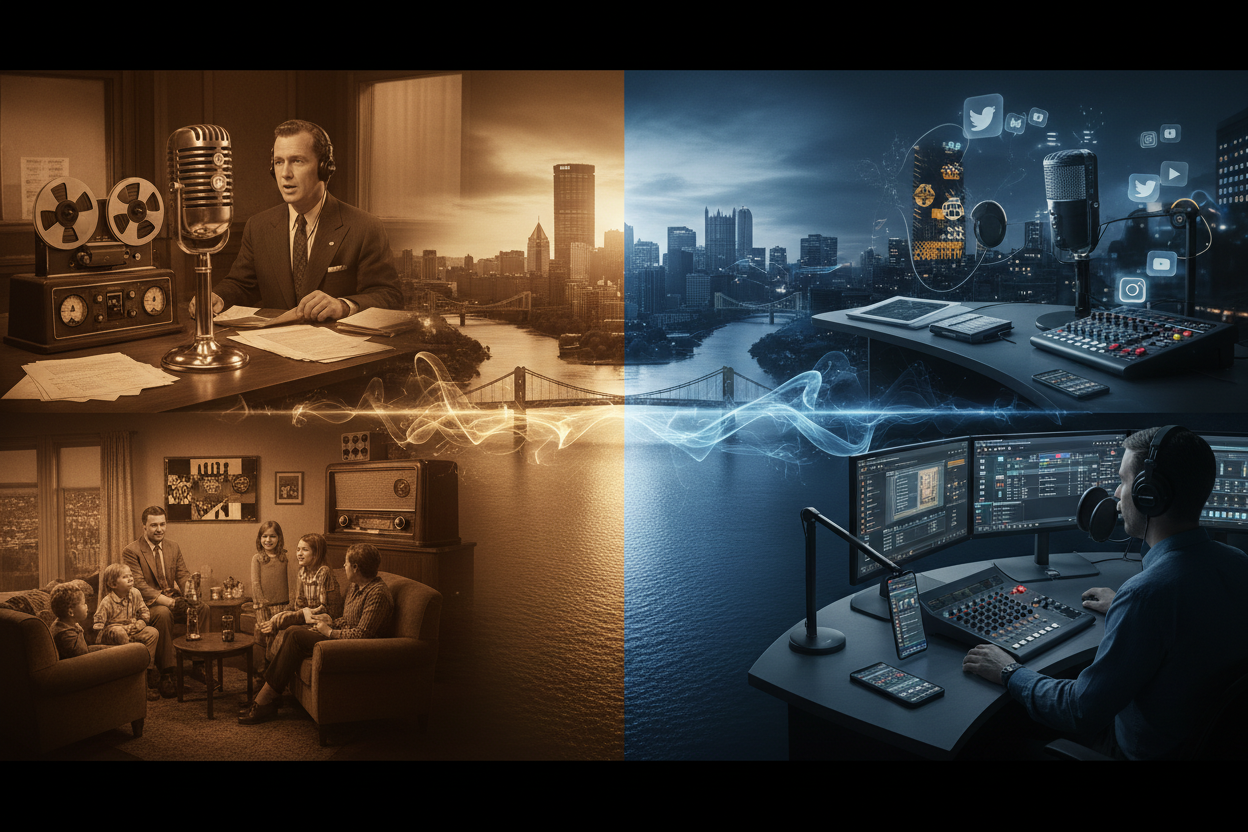
What made these early shows special wasn’t the production value, but the authentic connection between host and audience. Callers weren’t just voices; they were neighbors, coworkers, and fellow fans who shared the collective joy and heartbreak that comes with following Pittsburgh sports. The intimacy of radio created a sense of community that television couldn’t replicate.
The Golden Age of Sports Talk: 1990s
The 1990s marked a turning point for Pittsburgh sports talk radio. This decade saw the emergence of more sophisticated programming, longer show formats, and personalities who became household names throughout Western Pennsylvania. The success of shows during this era wasn’t just about sports knowledge – it was about entertainment value and the ability to create compelling radio theater.
Technology began playing a larger role during this period. Better phone systems allowed for clearer caller interactions, while improved audio equipment enhanced the overall listening experience. Hosts could now incorporate more sound effects, music, and audio clips to create a more dynamic show atmosphere.
The 1990s also witnessed the rise of the sports talk show host as a local celebrity. These personalities weren’t just discussing games; they were shaping public opinion about trades, coaching decisions, and front office moves. Their influence extended beyond the airwaves, often making headlines themselves and becoming part of the sports stories they covered.
This era established many of the formats and features that remain staples of sports talk today: regular segments, recurring guests, listener polls, and the famous “hot takes” that would generate discussion long after the show ended.
The Myron Cope Era and Iconic Personalities
No discussion of Pittsburgh sports media evolution would be complete without acknowledging Myron Cope, whose unique voice and colorful commentary style influenced an entire generation of broadcasters. While primarily known for his Steelers play-by-play work, Cope’s approach to sports commentary – mixing insider knowledge with folksy wisdom and unmistakable personality – became the template for successful Pittsburgh sports talk.
Cope’s influence extended far beyond his own shows. He demonstrated that Pittsburgh audiences appreciated authenticity over polish, substance over style. His ability to connect with both casual fans and sports insiders showed that successful sports talk required more than just knowledge – it demanded personality, humor, and an understanding of the local sports culture.
Following in Cope’s footsteps, other iconic personalities emerged who each brought their own flavor to Pittsburgh sports talk. These hosts understood that their job wasn’t just to inform, but to entertain, provoke thought, and sometimes even challenge the conventional wisdom about their beloved teams.
The success of these personalities proved that Pittsburgh sports fans wanted more than just statistics and game recaps. They craved analysis, opinion, and the kind of insider perspective that made them feel like they were part of the conversation rather than just passive observers.
The Digital Revolution: 2000s-2010s
The arrival of the internet age transformed Pittsburgh sports talk shows in ways that few could have predicted. Suddenly, shows weren’t limited to their local broadcast radius – they could reach displaced Pittsburgh fans around the world. This expanded audience brought new energy and perspectives to the traditional sports talk format.
Social media integration became a game-changer during this period. Twitter, Facebook, and later Instagram allowed hosts to interact with listeners in real-time, extending conversations beyond the traditional call-in format. Fans could share highlights, debate points, and even influence show content through their online engagement.
The digital revolution also brought competition from unexpected sources. National sports media began paying more attention to Pittsburgh teams, while independent bloggers and podcasters offered alternative voices to traditional radio programming. This forced established shows to evolve, becoming more interactive, more immediate, and more responsive to their audience’s changing consumption habits.
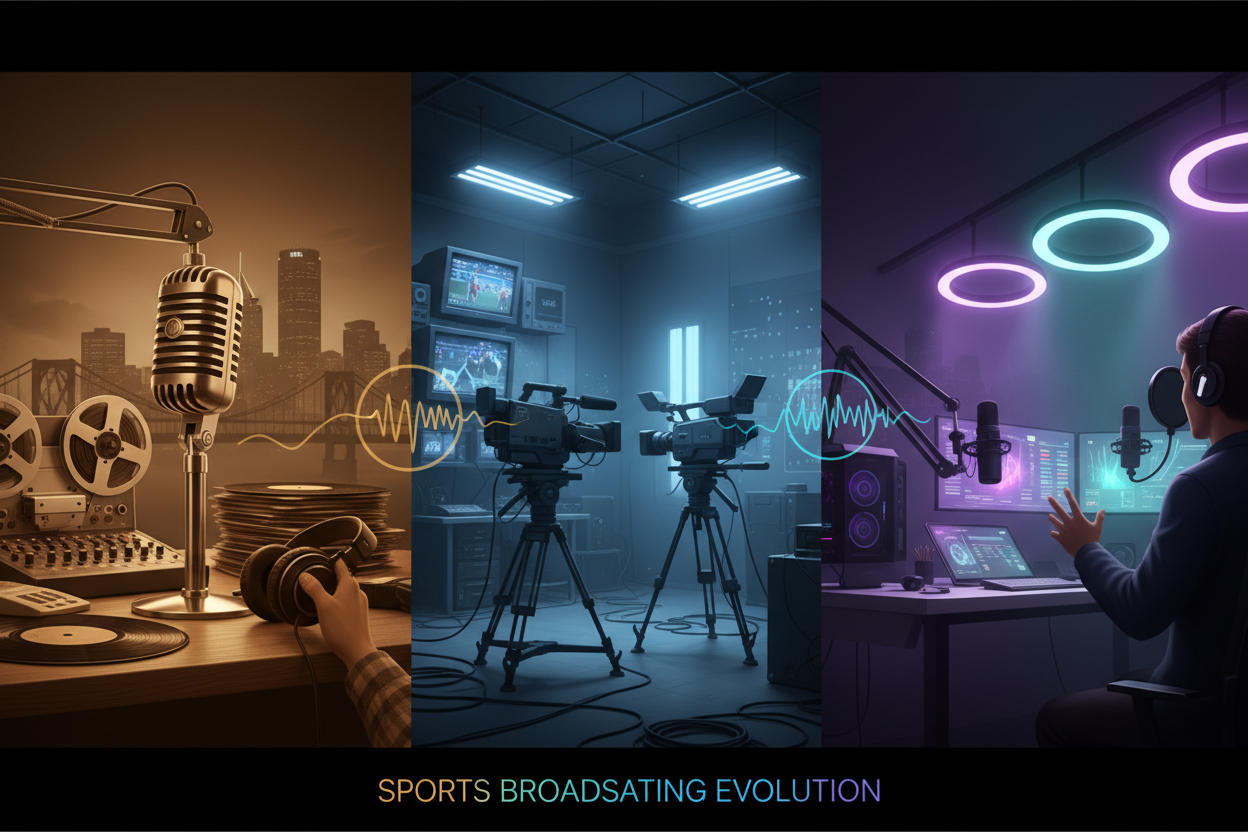
Streaming technology allowed for video components to be added to traditional radio shows, creating a hybrid format that appealed to both longtime radio listeners and younger audiences accustomed to visual media. This period saw the birth of what we now consider modern sports talk – multi-platform, highly interactive, and available on-demand.
Modern Era: Podcasts, Streaming, and Social Media Integration
Today’s Pittsburgh sports talk landscape bears little resemblance to those early AM radio shows of the 1970s. The modern era is characterized by diversity – in platforms, personalities, and perspectives. Traditional radio stations now compete with independent podcasters, YouTube creators, and social media influencers for audience attention.
Podcasting has democratized sports talk, allowing anyone with a microphone and internet connection to build an audience. This has led to more specialized content, with shows focusing on specific aspects of Pittsburgh sports – from in-depth statistical analysis to nostalgic looks at team history. The barrier to entry has never been lower, resulting in a rich ecosystem of sports content.
Social media has transformed the relationship between hosts and audiences. Real-time feedback, instant fact-checking, and viral moments can now shape show content as it happens. Hosts must be more prepared, more responsive, and more aware of their audience’s mood and interests than ever before.
The modern era has also brought greater diversity to Pittsburgh sports talk. New voices, different perspectives, and varied backgrounds have enriched the conversation, moving beyond the traditional model of former athletes and longtime journalists to include data analysts, social media experts, and fan-generated content creators.
Impact on Fan Culture and Team Coverage
The evolution of Pittsburgh sports talk shows has profoundly influenced how fans relate to their teams and consume sports content. These shows have served as more than entertainment – they’ve been community builders, opinion shapers, and cultural touchstones that connect generations of Pittsburgh sports fans.
Sports talk shows have also changed how teams interact with their fan bases. Front offices now monitor sports talk sentiment, use shows for strategic communications, and sometimes even respond directly to criticism or praise aired on these programs. The symbiotic relationship between teams and sports media has become more complex and influential than ever before.
The shows have preserved and transmitted Pittsburgh sports culture across generations. Stories, traditions, and shared memories are passed down through the airwaves, creating continuity between past and present. Young fans learn about Steel Curtain legends while older fans stay connected to current players and strategies.
Perhaps most importantly, these shows have maintained Pittsburgh’s reputation as a knowledgeable, passionate sports city. The quality and depth of sports discussion on local shows has reinforced the city’s identity as a place where sports matter, where fans are informed, and where the conversation never stops.
Frequently Asked Questions
Q: When did sports talk radio first start in Pittsburgh?
A: Sports talk radio in Pittsburgh began gaining popularity in the 1970s, coinciding with the Steelers’ championship runs. However, dedicated sports talk programming really took off in the 1980s and 1990s as the format proved popular with local audiences.
Q: How has technology changed Pittsburgh sports talk shows?
A: Technology has revolutionized sports talk through better audio quality, social media integration, streaming capabilities, podcast platforms, and real-time interaction with listeners. Shows now reach global audiences and incorporate video, instant replays, and multimedia content.
Q: Who are some of the most influential Pittsburgh sports talk personalities?
A: While Myron Cope set the standard for Pittsburgh sports media, numerous personalities have shaped the landscape over the decades. Each era has produced influential hosts who’ve become synonymous with Pittsburgh sports culture, though specific names would require more detailed historical research.
Q: How do modern sports talk shows differ from earlier versions?
A: Modern shows are more interactive, multi-platform, and immediate. They incorporate social media, video elements, and real-time audience feedback. Today’s shows also feature more diverse voices and specialized content compared to the broader, more general format of earlier decades.
Q: What role do sports talk shows play in Pittsburgh’s sports culture?
A: Sports talk shows serve as community builders, cultural preservers, and opinion shapers. They connect fans across generations, influence public perception of teams and players, and maintain Pittsburgh’s reputation as a passionate, knowledgeable sports city.
Q: Are traditional radio sports talk shows still relevant in the podcast era?
A: Yes, traditional radio maintains relevance through live, immediate coverage and established audience relationships. However, they’ve adapted by incorporating digital elements and often offer podcast versions of their shows to compete in the modern media landscape.
The evolution of Pittsburgh sports talk shows reflects the broader changes in media consumption and technology while maintaining the city’s unique sports culture. From humble AM radio beginnings to today’s multimedia landscape, these shows continue to serve as the heartbeat of Pittsburgh sports fandom, proving that no matter how the medium changes, the passion for Pittsburgh sports remains constant.
LIVE PITTSBURGH RADIO
BOOKMARK RadioPGH!!