Western PA High School Sports Radio: Discovering Tomorrow’s Stars
Friday night lights illuminate more than just football fields across Western Pennsylvania. Behind the roar of the crowd and the crack of the bat lies a hidden treasure trove of athletic talent that’s being discovered and celebrated through the airwaves. High school sports radio in Western PA has evolved into something far more significant than simple game coverage – it’s become the launching pad for identifying and nurturing the next generation of athletic superstars.
From the steel towns of the Mon Valley to the rolling hills of Washington County, local radio stations are doing more than just calling plays. They’re creating a comprehensive network that scouts, celebrates, and elevates young athletes who might otherwise go unnoticed by major college recruiters and professional scouts.

The Rich Athletic Heritage of Western Pennsylvania
Western Pennsylvania has always been a hotbed for athletic talent. This region has produced legendary figures like Joe Montana, Dan Marino, and countless other professional athletes who got their start on local high school fields. The tradition runs deep, with communities rallying around their local teams with an intensity that rivals professional sports in other regions.
What makes this area unique isn’t just the quality of athletes it produces, but the passionate community support that surrounds high school sports. Local radio stations recognized this fervor early on and began expanding their coverage beyond simple game broadcasts to create comprehensive sports programming that puts student-athletes in the spotlight they deserve.
The landscape has changed dramatically over the past decade. Where once you might find only occasional coverage of championship games, now you’ll discover dedicated shows, weekly athlete spotlights, and in-depth analysis that rivals what you’d expect from college or professional sports coverage.
How Local Radio Stations Scout and Promote Young Talent
The process of discovering tomorrow’s stars through radio coverage is both art and science. Experienced sports directors and commentators have developed keen eyes for talent that goes beyond simple statistics. They watch for athletes who demonstrate exceptional character, leadership qualities, and that indefinable “it factor” that separates good players from great ones.
Local stations employ various methods to identify standout performers. Some have established formal scouting networks that include former coaches, retired players, and dedicated volunteers who attend games across multiple counties. Others rely on coaching recommendations and statistical analysis to identify players worthy of special attention.
The promotion aspect is equally important. Once identified, these young athletes receive feature interviews, highlight reels broadcast during prime listening hours, and inclusion in special programming designed to showcase their abilities to a broader audience. This exposure often proves invaluable when college recruiters are making their rounds.
Many stations have also embraced digital platforms, creating podcasts and social media content that extends the reach of their traditional broadcasts. This multi-platform approach ensures that talented athletes get maximum exposure across various demographics and geographic regions.
Technology’s Role in Modern High School Sports Broadcasting
The technological revolution has transformed how Western PA radio stations cover high school sports. Gone are the days when a single announcer with a basic setup could adequately serve their community’s needs. Today’s operations incorporate sophisticated audio equipment, real-time statistics integration, and multi-camera setups that rival small television productions.
Live streaming capabilities have expanded the potential audience exponentially. Family members who have moved away can now follow their hometown teams, and college recruiters from across the country can easily access game footage and commentary. This technological advancement has created opportunities for athletes that simply didn’t exist a generation ago.
Social media integration has become particularly powerful. Stations now create highlight packages that are optimized for platforms like Twitter, Instagram, and TikTok, ensuring that exceptional plays and performances reach audiences far beyond traditional radio listeners. These bite-sized pieces of content often go viral, bringing unexpected attention to deserving athletes.
Advanced statistics tracking has also enhanced the quality of coverage. Modern broadcasts include detailed performance metrics that help listeners understand not just what happened, but why certain players are exceptional. This analytical approach provides valuable context that helps identify truly special talents.
Success Stories: From Local Radio to College Scholarships
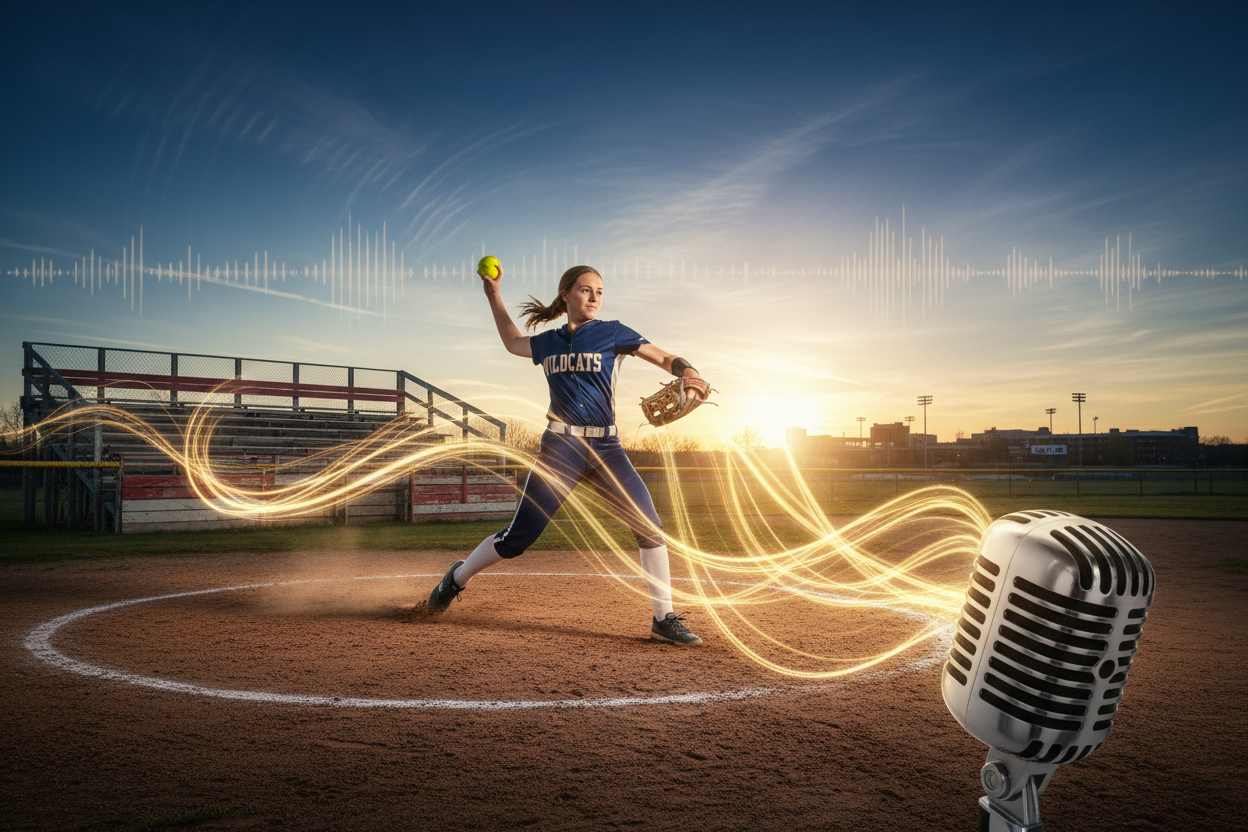
The proof of radio’s impact lies in the success stories that emerge year after year. Consider the case of Sarah Mitchell, a softball player from a small Washington County high school whose exceptional pitching caught the attention of a local sports director. Through consistent radio coverage and feature interviews, Sarah’s story reached the ears of a Division I coach who had never heard of her school.
That radio exposure led to a full scholarship opportunity that changed Sarah’s life trajectory. She went on to become a standout college player and now works as a pitching coach while pursuing her master’s degree. Without that initial radio coverage, her talents might have remained hidden in a small-town program with limited visibility.
Basketball standout Marcus Johnson represents another success story. Playing for an inner-city Pittsburgh school, Marcus was overlooked by many scouts despite impressive statistics. A local radio personality recognized his potential and began featuring him regularly on broadcasts and social media. The exposure eventually caught the attention of a mid-major college program that offered Marcus a scholarship opportunity.
These stories repeat themselves across Western Pennsylvania every year. Radio coverage has become a crucial bridge between talented student-athletes and the opportunities they deserve. The personal touch that local broadcasters bring to their coverage often reveals character traits and personal stories that resonate with coaches and recruiters.
Building Community Through Sports Radio Coverage
Beyond individual success stories, high school sports radio creates something even more valuable: genuine community connection. In an era when many traditional community institutions are struggling, local sports coverage provides a rallying point that brings people together across generational and socioeconomic lines.
The weekly routine of tuning in to hear about local teams creates shared experiences and common ground for conversation. Coffee shops, barbershops, and workplace break rooms buzz with discussions sparked by the previous night’s radio coverage. This community engagement extends far beyond the athletes themselves to include families, alumni, and longtime residents who find connection through local sports.
Local businesses have recognized this community engagement and increasingly sponsor sports programming. This financial support enables stations to expand their coverage and invest in better equipment and more comprehensive programming. The result is a self-reinforcing cycle where community investment leads to better coverage, which generates more community engagement.
The ripple effects extend to the athletes as well. Knowing that their performances are being broadcast and discussed throughout their community adds an extra layer of motivation and accountability. Young athletes often speak about the pride they feel when they hear themselves featured on local radio or when community members approach them to discuss their performances.
The Future of High School Sports Radio in Western PA
Looking ahead, the future of high school sports radio in Western Pennsylvania appears bright and full of potential. Emerging technologies like artificial intelligence and enhanced data analytics promise to make talent identification even more precise and effective. Stations are beginning to experiment with AI-powered statistical analysis that can identify patterns and potential that might escape human observation.
Virtual and augmented reality technologies may soon allow radio broadcasts to include immersive elements that give listeners unprecedented access to the action. Imagine being able to experience a crucial play from the quarterback’s perspective or getting a 360-degree view of a game-winning shot.
The expansion of podcast networks dedicated to high school sports is creating new opportunities for in-depth coverage and analysis. These longer-form programs allow for more detailed athlete profiles, coaching interviews, and strategic discussions that provide deeper insights into what makes certain players special.
Partnerships with colleges and professional organizations are also evolving. Some radio networks are beginning to establish formal relationships with college athletic departments, creating direct pipelines for talent identification and recruitment. These partnerships benefit everyone involved: athletes get better exposure, colleges discover hidden gems, and radio stations gain credibility and exclusive access.
As the landscape continues to evolve, one thing remains constant: the passion and dedication of the broadcasters, volunteers, and community members who make it all possible. Their commitment to celebrating and promoting young athletic talent ensures that Western Pennsylvania will continue producing tomorrow’s stars for generations to come.
Frequently Asked Questions
How can young athletes get featured on local sports radio?
Athletes can increase their chances of radio coverage by maintaining strong academic performance, demonstrating good sportsmanship, and having their coaches reach out to local stations. Many stations also accept nominations from community members and actively scout games throughout their coverage area.
Do college recruiters actually listen to high school sports radio?
Yes, many college recruiters and scouts regularly monitor local sports radio broadcasts and social media content as part of their talent identification process. The personal insights and character assessments provided by local broadcasters are often valuable supplements to statistical data.
Which sports receive the most radio coverage in Western PA?
Football and basketball traditionally receive the most extensive coverage, but many stations have expanded to include baseball, softball, soccer, wrestling, and track and field. Coverage often depends on local interest and the success of individual programs.
How has social media changed high school sports radio?
Social media has dramatically expanded the reach of radio coverage by allowing stations to share highlights, interviews, and updates across multiple platforms. This multi-channel approach helps ensure that exceptional performances reach the widest possible audience, including college recruiters.
Can parents or fans suggest athletes for special coverage?
Most local radio stations welcome suggestions from community members about athletes who deserve recognition. Many have formal processes for submitting nominations, while others encourage informal communication through social media or direct contact with sports directors.
LIVE PITTSBURGH RADIO
BOOKMARK RadioPGH!!