Black and Gold Sports Chat: The Psychology of Pittsburgh Fandom
There’s something special about walking through Pittsburgh on game day. The sea of black and gold jerseys, the passionate conversations echoing from every corner bar, and the unmistakable energy that pulses through the Steel City when the Steelers, Penguins, or Pirates are playing. But what makes Pittsburgh sports fans so uniquely devoted? The answer lies deep in the psychology of fandom, intertwined with the city’s working-class roots, shared struggles, and collective identity that has been forged over decades of triumph and heartbreak.
Pittsburgh fandom isn’t just about cheering for teams – it’s about belonging to something bigger than yourself. It’s about carrying forward traditions passed down through generations, where grandfathers teach grandchildren the proper way to wave a Terrible Towel, and where entire families plan their lives around game schedules. This psychological connection runs so deep that it becomes part of who Pittsburghers are, whether they live in the city or have moved thousands of miles away.
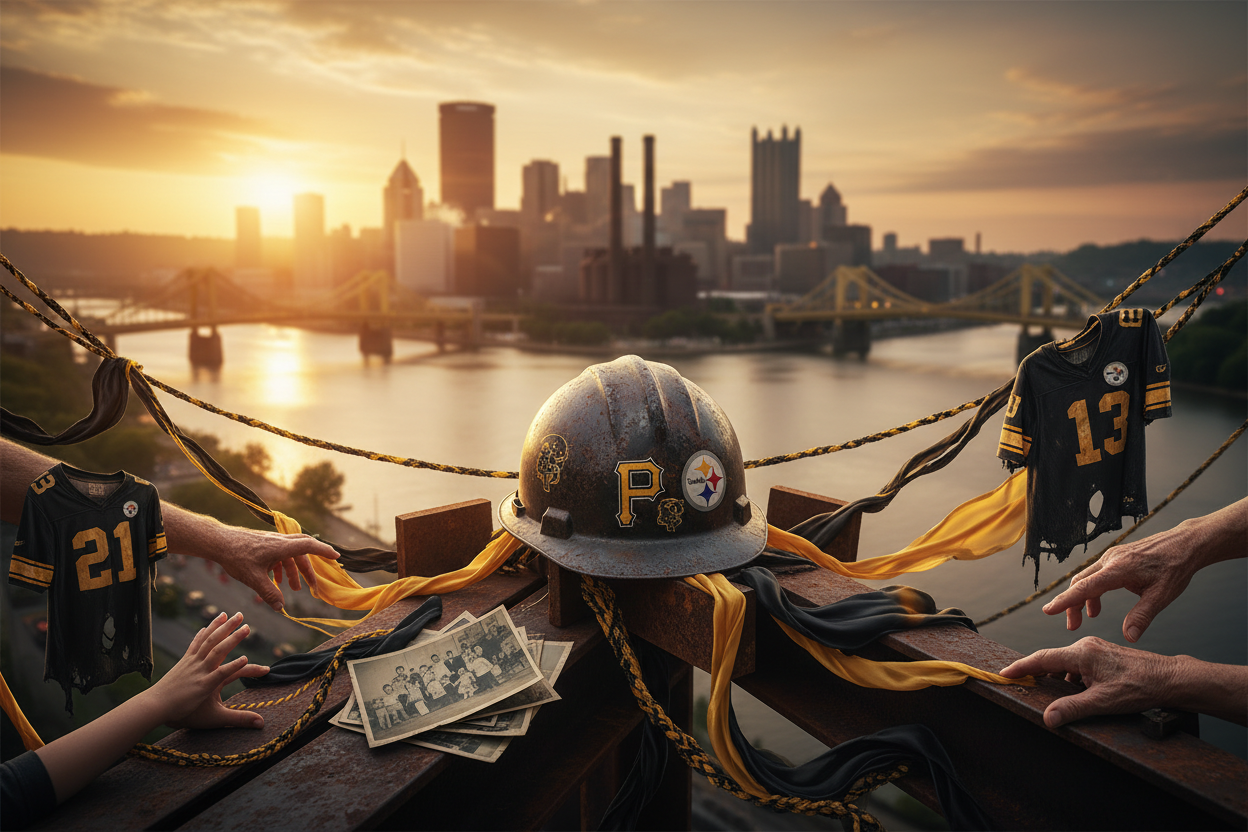
The Blue-Collar Identity That Shapes Pittsburgh Sports Psychology
Pittsburgh’s sports psychology is inseparable from its industrial heritage. For generations, this city was built by steelworkers, coal miners, and factory employees who understood the value of hard work, loyalty, and perseverance. These values didn’t disappear when the mills closed – they transferred directly into how Pittsburgh fans approach their teams.
The Steelers, in particular, embody this blue-collar mentality. Their “Steel Curtain” defense of the 1970s wasn’t just a football strategy; it was a reflection of the city’s character. Fans didn’t just admire the team’s toughness – they saw themselves in it. When Jerome Bettis bulldozed through defenders or when Troy Polamalu made an impossible interception, it felt personal because it represented the same grit that Pittsburghers brought to their daily lives.
This psychological connection explains why Pittsburgh fans are so fiercely loyal, even during losing seasons. They understand that success isn’t always immediate, that sometimes you have to endure tough times before things get better. It’s the same mindset that helped the city reinvent itself when the steel industry collapsed, and it’s what keeps fans filling Heinz Field even when the team struggles.
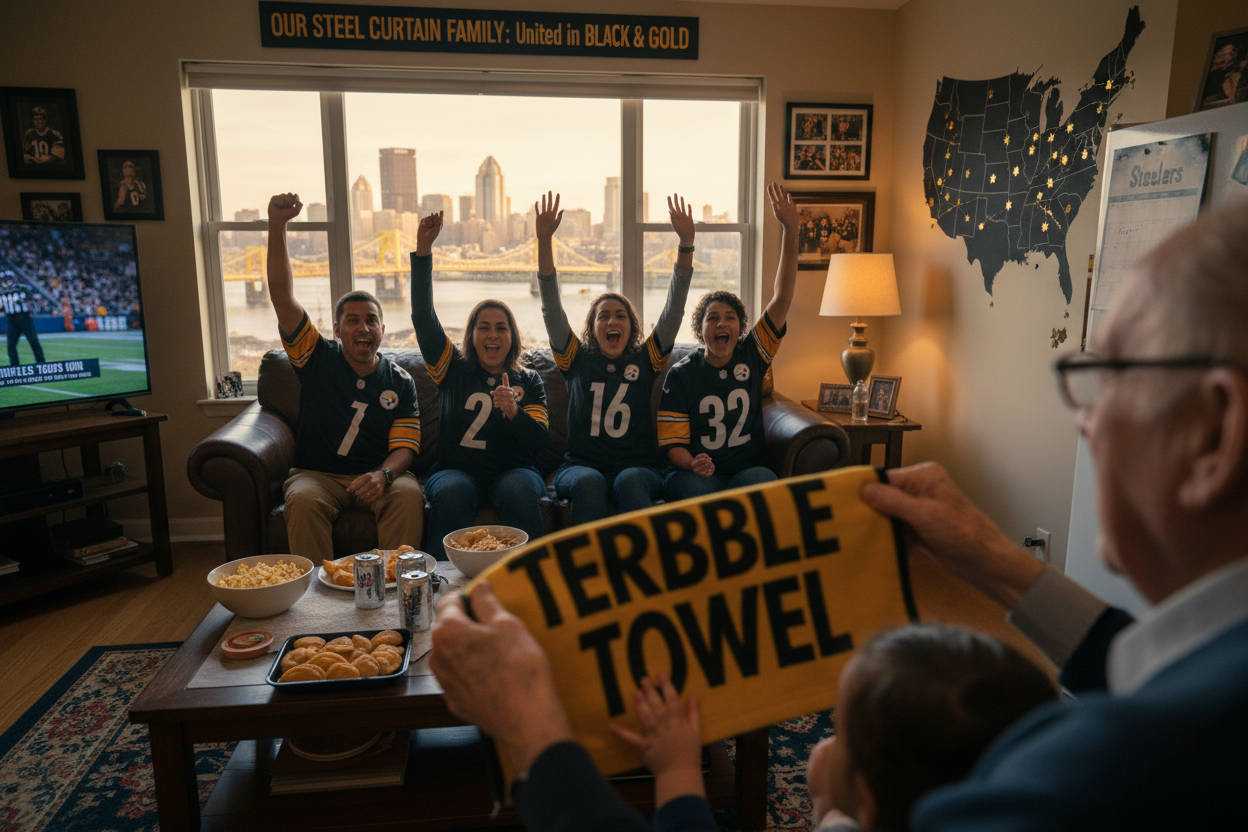
Generational Bonding Through Black and Gold Traditions
One of the most fascinating aspects of Pittsburgh sports psychology is how fandom becomes a family inheritance. Unlike some cities where sports allegiance might shift based on team performance or personal preferences, Pittsburgh fandom is typically passed down like a treasured heirloom.
Consider the ritual of a child’s first Steelers game. It’s not just entertainment – it’s an initiation ceremony. Parents carefully plan these experiences, often taking their children to the same seats their own parents once took them to. The psychological impact of these shared experiences creates bonds that last lifetimes and helps explain why Pittsburgh has one of the most geographically dispersed fan bases in professional sports.
The Penguins have created similar generational connections, especially during the Mario Lemieux era and continuing through the Sidney Crosby years. Families who might not have been hockey fans before suddenly found themselves emotionally invested in playoff runs and Stanley Cup victories. These shared emotional experiences become part of family lore, stories that get retold at holiday gatherings and passed down to the next generation.
The Psychological Impact of Shared Suffering and Triumph
Pittsburgh sports fans have experienced the full spectrum of emotions, and this shared journey has created a unique psychological bond among the fanbase. The city has celebrated multiple Super Bowl victories, Stanley Cup championships, and even a World Series title in 1979. But they’ve also endured heartbreaking losses, disappointing seasons, and the kind of near-misses that can haunt a fanbase for decades.
This emotional rollercoaster has created what psychologists call “trauma bonding” – a deep connection formed through shared difficult experiences. When the Pirates struggled through twenty consecutive losing seasons, fans who stuck with the team formed an almost familial bond. They weren’t just watching baseball together; they were enduring disappointment together, which paradoxically made their connection stronger.
The psychological payoff for this loyalty came in moments like the Penguins’ 2009 Stanley Cup victory or the Steelers’ dramatic Super Bowl wins. These victories weren’t just celebrations – they were validation of years of emotional investment. The joy felt more intense because of the struggles that preceded it, creating memories that fans treasure for decades.
The Science Behind Terrible Towel Psychology
Few symbols in sports psychology are as powerful as the Pittsburgh Steelers’ Terrible Towel. Created by broadcaster Myron Cope in 1975, this simple yellow towel has become one of the most recognizable fan traditions in professional sports. But its psychological impact goes far beyond its practical use as a rally tool.
The Terrible Towel represents what psychologists call a “transitional object” – something that provides comfort and connection during times of stress or excitement. When 65,000 fans wave their towels simultaneously, they’re not just making noise; they’re participating in a collective ritual that reinforces their shared identity and purpose.
The towel also serves as a portable piece of Pittsburgh identity. Fans take them to away games, wave them in bars across the country, and even bring them to non-football events as a way of expressing their Pittsburgh pride. This psychological attachment helps explain why Steelers fans travel so well and why you can find pockets of black and gold supporters in virtually every NFL city.
Social Identity Theory in Pittsburgh Sports Culture
Social Identity Theory helps explain why Pittsburgh sports fandom runs so deep. According to this psychological framework, people derive part of their self-concept from their membership in social groups. In Pittsburgh, being a sports fan isn’t just a hobby – it’s a fundamental part of social identity.
This identity extends beyond game attendance or jersey wearing. It influences how Pittsburghers interact with each other, how they view outsiders, and how they navigate social situations. A shared love of the Steelers can instantly connect two strangers in an elevator, while criticism of local teams can be taken as a personal attack on the city’s character.
The psychological benefits of this strong group identity are significant. Research shows that people with strong social connections tend to be happier, healthier, and more resilient in the face of challenges. Pittsburgh sports fandom provides exactly this type of connection, creating a support network that extends far beyond the stadium walls.
The Psychology of Pittsburgh’s Multi-Sport Loyalty
Unlike some cities where fans might focus primarily on one sport, Pittsburgh maintains passionate followings across multiple teams. This multi-sport loyalty creates interesting psychological dynamics, as fans navigate different seasons, different personalities, and different levels of success across their various teams.
The psychological flexibility required to maintain enthusiasm for the Steelers in fall, the Penguins in winter, and the Pirates in summer demonstrates a remarkable emotional resilience. Fans learn to compartmentalize disappointments in one sport while maintaining hope in another, creating a year-round cycle of emotional investment that keeps the city’s sports psychology active throughout the calendar.
This multi-sport engagement also provides multiple opportunities for positive experiences and community bonding. Even if the Pirates are struggling, fans can still find joy in a Penguins playoff run or get excited about the Steelers’ draft picks. This diversification of emotional investment actually creates a more stable and sustainable form of sports psychology than cities that rely heavily on a single team’s success.
The Diaspora Effect: Pittsburgh Psychology Beyond the City Limits
Perhaps nowhere is Pittsburgh sports psychology more evident than in the behavior of fans who have left the city but maintained their team loyalties. The “Steeler Nation” phenomenon demonstrates how deeply ingrained these psychological connections become, transcending geography and time.
Former Pittsburghers often describe their team allegiance as a way of maintaining connection to their roots. Watching games becomes a form of psychological homecoming, a way of staying connected to family, friends, and formative experiences. This explains why Pittsburgh-themed bars exist in cities across the country and why away games often feature significant contingents of black and gold supporters.
The psychological comfort provided by maintaining these connections helps explain why Pittsburgh fan loyalty tends to be so permanent. Unlike some sports markets where fans might adopt local teams after relocating, Pittsburgh fans typically maintain their original allegiances for life, often passing them down to children who have never lived in Pennsylvania.
Frequently Asked Questions
Why are Pittsburgh sports fans considered so loyal compared to other cities?
Pittsburgh’s loyalty stems from the city’s working-class heritage, which values perseverance and commitment. The psychological connection between fans and teams reflects the same blue-collar values that built the city, creating deeper emotional bonds than cities where sports are viewed primarily as entertainment.
How do Pittsburgh sports traditions get passed down through families?
Pittsburgh sports traditions are transmitted through shared experiences like attending first games together, learning team history, and participating in family rituals around game days. These psychological bonding experiences create lasting memories that families naturally want to recreate with the next generation.
What makes the Terrible Towel so psychologically significant?
The Terrible Towel serves as both a unifying symbol and a transitional object that provides psychological comfort. When thousands of fans wave towels together, it creates a sense of collective identity and shared purpose that strengthens the emotional connection to the team and city.
Why do Pittsburgh fans maintain their loyalty even after moving away?
Team loyalty becomes part of personal identity for Pittsburgh fans, serving as a psychological connection to their roots. Maintaining these allegiances helps former residents stay connected to their formative experiences and cultural identity, regardless of their current location.
How does Pittsburgh’s multi-sport culture affect fan psychology?
Having multiple successful franchises creates year-round engagement and provides psychological resilience. When one team struggles, fans can redirect their emotional energy to other sports, creating a more stable and sustainable form of sports fandom than cities dependent on single teams.
The psychology of Pittsburgh fandom runs much deeper than simple team loyalty. It’s woven into the fabric of the city’s identity, reflecting values of hard work, perseverance, and community that have defined Pittsburgh for generations. Whether you’re a lifelong resident or someone who moved away decades ago, the black and gold connection represents something fundamental about who you are and where you come from. In a world where so much seems temporary, Pittsburgh sports fandom offers the psychological comfort of permanence, tradition, and belonging that transcends wins and losses to become part of the soul of the Steel City.
LIVE PITTSBURGH RADIO
BOOKMARK RadioPGH!!