Best 10 Camping Gear Essentials: Outdoor Adventure Equipment Guide
There’s something magical about disconnecting from the digital world and reconnecting with nature. Whether you’re planning your first camping trip or you’re a seasoned outdoor enthusiast looking to upgrade your gear, having the right equipment can make the difference between a memorable adventure and a miserable experience. After years of sleeping under the stars and learning from both triumphs and mistakes, I’ve compiled this comprehensive guide to the 10 most essential pieces of camping gear that every outdoor adventurer should consider.
The key to successful camping lies in preparation and having reliable equipment that won’t let you down when you’re miles away from civilization. From shelter and warmth to navigation and safety, each piece of gear serves a crucial purpose in ensuring your outdoor adventure is both safe and enjoyable. Let’s dive into the essential camping equipment that should be on every camper’s checklist.

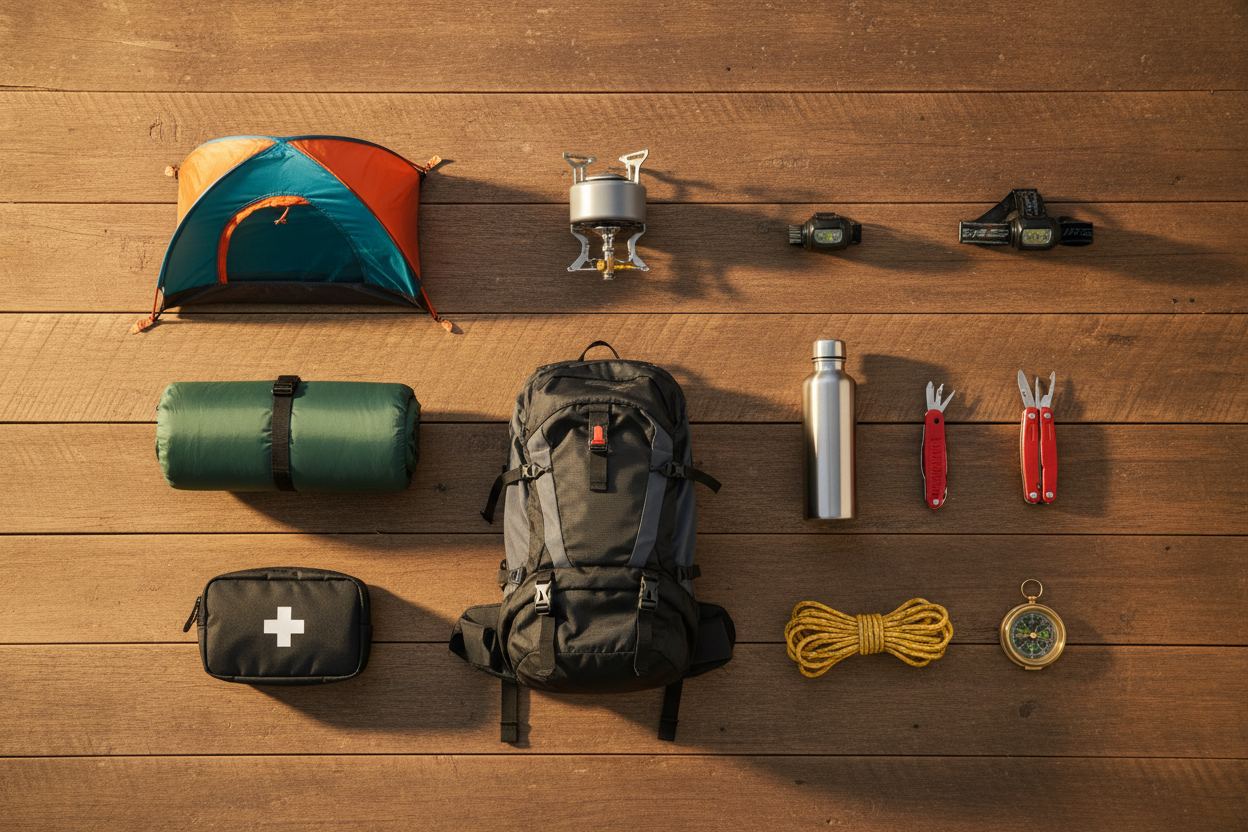
1. High-Quality Tent: Your Home Away From Home
Your tent is arguably the most important piece of camping gear you’ll invest in. It’s your shelter, your sanctuary, and your protection against the elements. When selecting a tent, consider factors like capacity, seasonality, weight, and ease of setup. A good three-season tent will handle most camping conditions, while four-season tents are designed for harsh winter conditions.
Look for tents with a robust rainfly, strong zippers, and adequate ventilation to prevent condensation buildup. The tent’s footprint should also be considered – a smaller footprint makes it easier to find suitable camping spots. Popular brands like REI Co-op, Big Agnes, and MSR offer reliable options across various price points. Remember, a tent is an investment that can last for decades with proper care.
2. Sleeping System: Sleep Bag and Sleeping Pad
A restful night’s sleep is crucial for enjoying your camping experience. Your sleeping system consists of two main components: a sleeping bag and a sleeping pad. The sleeping bag should be rated for temperatures you’ll encounter, with some buffer for unexpected weather changes. Down-filled bags offer excellent warmth-to-weight ratios but lose insulation when wet, while synthetic bags maintain warmth even when damp.
Don’t underestimate the importance of a quality sleeping pad. It provides insulation from the cold ground and cushioning for comfort. Closed-cell foam pads are lightweight and virtually indestructible, while inflatable pads offer superior comfort but require more care. Many experienced campers use a combination of both for optimal warmth and comfort.
3. Reliable Backpack: Carrying Your Adventure Essentials
The right backpack serves as your mobile base camp, carrying everything you need for your outdoor adventure. For day hikes, a 20-30 liter pack suffices, while multi-day camping trips require 50-70 liter packs or larger. Key features to look for include adjustable suspension systems, multiple compartments for organization, external attachment points, and durable construction.
Proper fit is paramount – an ill-fitting backpack can turn a pleasant hike into a painful ordeal. Most outdoor retailers offer fitting services to ensure your pack distributes weight properly across your hips and shoulders. Brands like Osprey, Gregory, and Deuter are known for their comfortable and durable designs.
4. Cooking Equipment: Fuel for Your Adventures
Nothing beats a hot meal after a long day of outdoor activities. Your camp cooking setup should be lightweight, reliable, and appropriate for your group size. A basic setup includes a portable stove, lightweight cookware, and eating utensils. Canister stoves are convenient and easy to use, while liquid fuel stoves perform better in cold conditions.
Consider investing in a lightweight cookset made from titanium or hard-anodized aluminum. Don’t forget essentials like a can opener, sharp knife, and cutting board. For larger groups, a two-burner stove system might be worth the extra weight for increased cooking efficiency.
5. Water Filtration and Purification System
Access to clean drinking water is non-negotiable in the outdoors. While you can carry all your water for short trips, longer adventures require reliable water treatment methods. Water filters remove bacteria and protozoa, while purification tablets or UV sterilizers eliminate viruses as well.
Popular options include pump filters, gravity filters, and squeeze filters. Each has advantages depending on your needs. Pump filters work well for groups, gravity filters are hands-off convenient, and squeeze filters are lightweight for solo adventurers. Always carry backup purification methods – water treatment tablets weigh almost nothing and provide peace of mind.
6. Navigation Tools: Finding Your Way Safely
Getting lost in the wilderness can quickly turn dangerous. While GPS devices and smartphone apps are incredibly useful, they shouldn’t be your only navigation tools. A topographic map and compass should always be in your pack, along with the knowledge to use them effectively.
Modern GPS devices offer detailed mapping, weather information, and emergency communication features. However, batteries die and electronics fail, making traditional navigation skills invaluable. Consider taking a basic navigation course to build confidence in map and compass use. A whistle is also essential for emergency signaling if you become lost or injured.
7. First Aid Kit: Prepared for Medical Emergencies
Accidents happen in the outdoors, and being prepared can prevent minor injuries from becoming major problems. A well-stocked first aid kit should include bandages, antiseptic wipes, pain relievers, blister treatment, and any personal medications. Pre-made kits are convenient, but customizing your own ensures you have supplies for your specific needs and group size.
Include items like medical tape, gauze pads, elastic bandages, and a thermometer. For longer trips or remote areas, consider adding prescription medications for severe allergic reactions or infections. Most importantly, know how to use everything in your kit – consider taking a wilderness first aid course to build essential skills.
8. Multi-Tool or Knife: The Ultimate Problem Solver
A quality multi-tool or knife is indispensable for countless camping tasks. From food preparation and gear repairs to emergency situations, these tools earn their weight in your pack. Multi-tools offer versatility with pliers, screwdrivers, and scissors, while a dedicated knife provides superior cutting performance.
Look for tools with locking blades, corrosion-resistant materials, and comfortable grips. Popular brands like Leatherman, Gerber, and Victorinox offer reliable options. Keep your tools sharp and clean for optimal performance and safety. A dull knife is more dangerous than a sharp one, as it requires more pressure and is more likely to slip.
9. Illumination: Headlamp and Backup Lighting
Reliable lighting is essential for safety and convenience in camp. A headlamp keeps your hands free for tasks while providing directed light where you need it. Look for headlamps with multiple brightness settings, red light options for preserving night vision, and good battery life. LED technology has made modern headlamps incredibly efficient and long-lasting.
Always carry backup lighting – a small flashlight or backup headlamp can be a lifesaver if your primary light fails. Consider the battery type as well; rechargeable batteries are environmentally friendly and cost-effective for frequent use, while disposable batteries offer reliability in extreme conditions.
10. Weather Protection: Rain Gear and Extra Clothing
Weather can change rapidly in the outdoors, and being caught unprepared can be dangerous. A quality rain jacket and pants will keep you dry and comfortable in wet conditions. Look for breathable, waterproof materials that won’t trap moisture from perspiration.
Layer systems work best for temperature regulation – base layers wick moisture, insulating layers provide warmth, and shell layers protect from wind and rain. Always pack extra clothing, including dry socks and underwear. Synthetic materials and merino wool retain insulating properties when wet, unlike cotton which can be dangerous in cold, wet conditions.
Choosing Quality Gear That Lasts
Investing in quality camping gear pays dividends over time. Well-made equipment lasts longer, performs better, and often comes with warranties or repair services. While the initial cost may be higher, quality gear provides better value over its lifetime. Read reviews, talk to experienced campers, and don’t be afraid to invest in items you’ll use frequently.
Consider your camping style and frequency when making purchases. Weekend car campers have different needs than ultralight backpackers. Start with essential items and build your kit over time, learning what works best for your adventures. Many outdoor retailers offer rental programs that let you try expensive gear before buying.
Maintenance and Care Tips
Proper care extends the life of your camping gear significantly. Clean and dry everything thoroughly before storage, especially tents and sleeping bags. Store gear in cool, dry places away from direct sunlight. Regular maintenance like waterproofing treatments, zipper lubrication, and seam sealing keeps gear performing at its best.
Learn basic repair skills for your gear. Knowing how to patch a tent, fix a zipper, or repair a backpack strap can save a trip and money. Many manufacturers offer repair services, and some even honor repairs under warranty programs that demonstrate their confidence in their products.
Conclusion
The right camping gear transforms outdoor adventures from survival exercises into enjoyable experiences. These 10 essentials form the foundation of any well-equipped camper’s kit, providing safety, comfort, and convenience in the wilderness. Remember that the best gear is the gear you know how to use properly – take time to familiarize yourself with your equipment before heading into the backcountry.
Start building your camping kit gradually, focusing on quality over quantity. Each piece of gear should serve multiple purposes when possible, and everything should be tested before your trip. With the right equipment and knowledge, you’ll be prepared to safely explore the natural world and create lasting memories under the stars. The wilderness is calling – make sure you’re ready to answer with confidence and the right gear by your side.
Frequently Asked Questions
Q: How much should I expect to spend on basic camping gear?
A: A complete basic camping setup typically costs between $500-1500, depending on quality and brand choices. You can start with budget-friendly options and upgrade over time as you determine your camping preferences and frequency.
Q: What’s the difference between three-season and four-season tents?
A: Three-season tents are designed for spring, summer, and fall camping in moderate conditions. Four-season tents are built for winter camping and extreme weather, featuring stronger poles, more guy-out points, and better snow load capacity.
Q: How do I choose the right sleeping bag temperature rating?
A: Choose a sleeping bag rated 10-15 degrees below the coldest temperature you expect to encounter. Ratings indicate survival temperatures, not comfort temperatures. Consider factors like your sleeping style, tent type, and whether you sleep warm or cold.
Q: Can I use my smartphone for navigation instead of a map and compass?
A: While smartphones with GPS apps are useful navigation tools, they shouldn’t be your only option. Batteries die, screens break, and service can be unavailable. Always carry a paper map and compass as backup, and know how to use them.
Q: What’s the most important factor when choosing a backpack?
A: Proper fit is the most crucial factor. A well-fitting pack distributes weight correctly and prevents discomfort and injury. Visit a specialty retailer for professional fitting, and test the pack with weight before purchasing.
Q: How often should I replace my camping gear?
A: Quality camping gear can last decades with proper care. Replace items when they no longer function safely or effectively. Tents and sleeping bags typically last 10-20 years, while items like water filters and first aid supplies need more frequent replacement or restocking.