Sexuality and Media: How Portrayals Shape Our Understanding and Impact Society
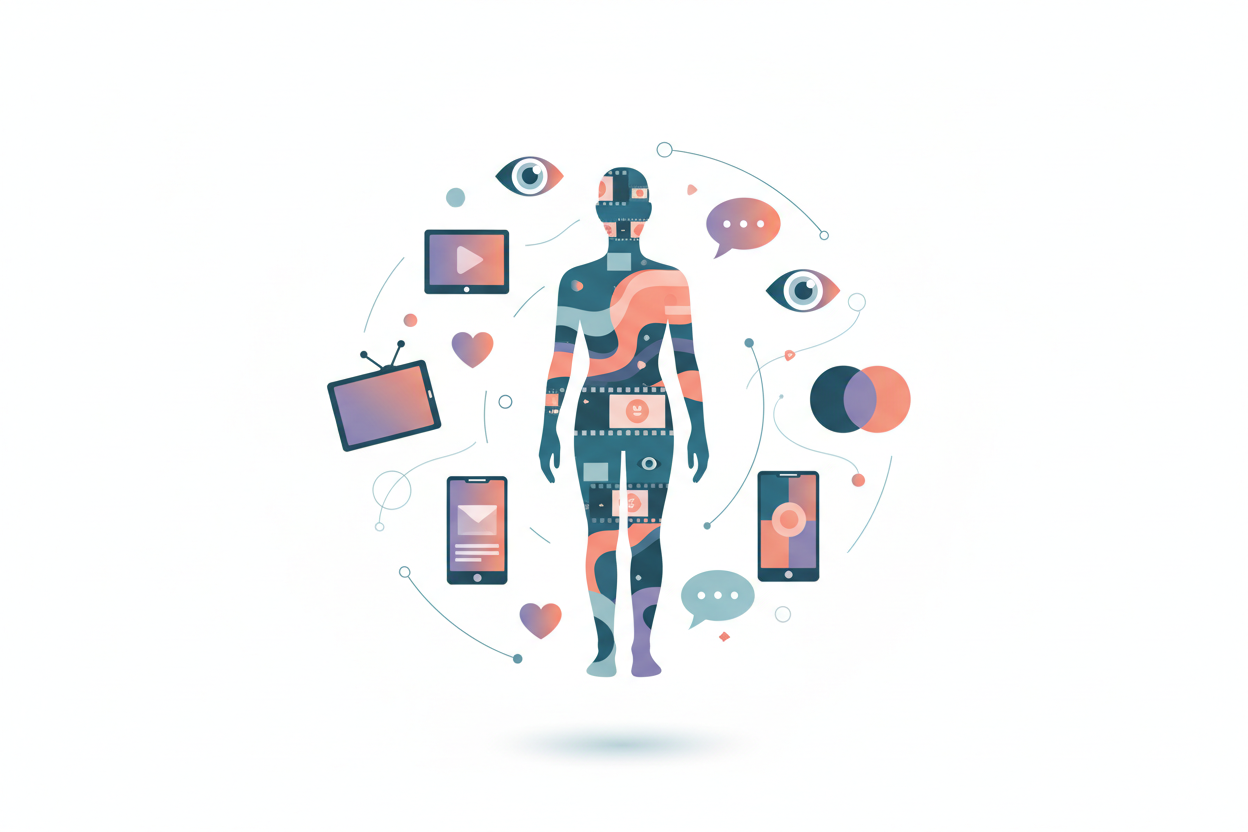
In today’s digital age, media consumption has become an integral part of our daily lives. From streaming platforms to social media feeds, we’re constantly exposed to various representations of sexuality that shape our perceptions, attitudes, and behaviors. The way sexuality is portrayed in media doesn’t just reflect societal norms—it actively influences them, creating a complex cycle of representation and reality that deserves our attention.
Understanding the relationship between sexuality and media portrayals has never been more crucial. As we navigate an increasingly connected world, these representations affect everything from individual self-image to broader cultural conversations about identity, relationships, and human sexuality. Let’s explore how media shapes our understanding of sexuality and examine the far-reaching impacts of these portrayals on society.
The Evolution of Sexual Representation in Media
Media representations of sexuality have undergone dramatic transformations over the decades. What was once considered taboo or completely absent from mainstream media has gradually evolved into more diverse and complex portrayals, though not without ongoing challenges and controversies.
In the early days of television and cinema, strict censorship codes severely limited how sexuality could be depicted. The infamous Hays Code in Hollywood, for instance, prohibited explicit sexual content and even mandated that married couples be shown sleeping in separate beds. These restrictions created a sanitized version of human relationships that bore little resemblance to reality.
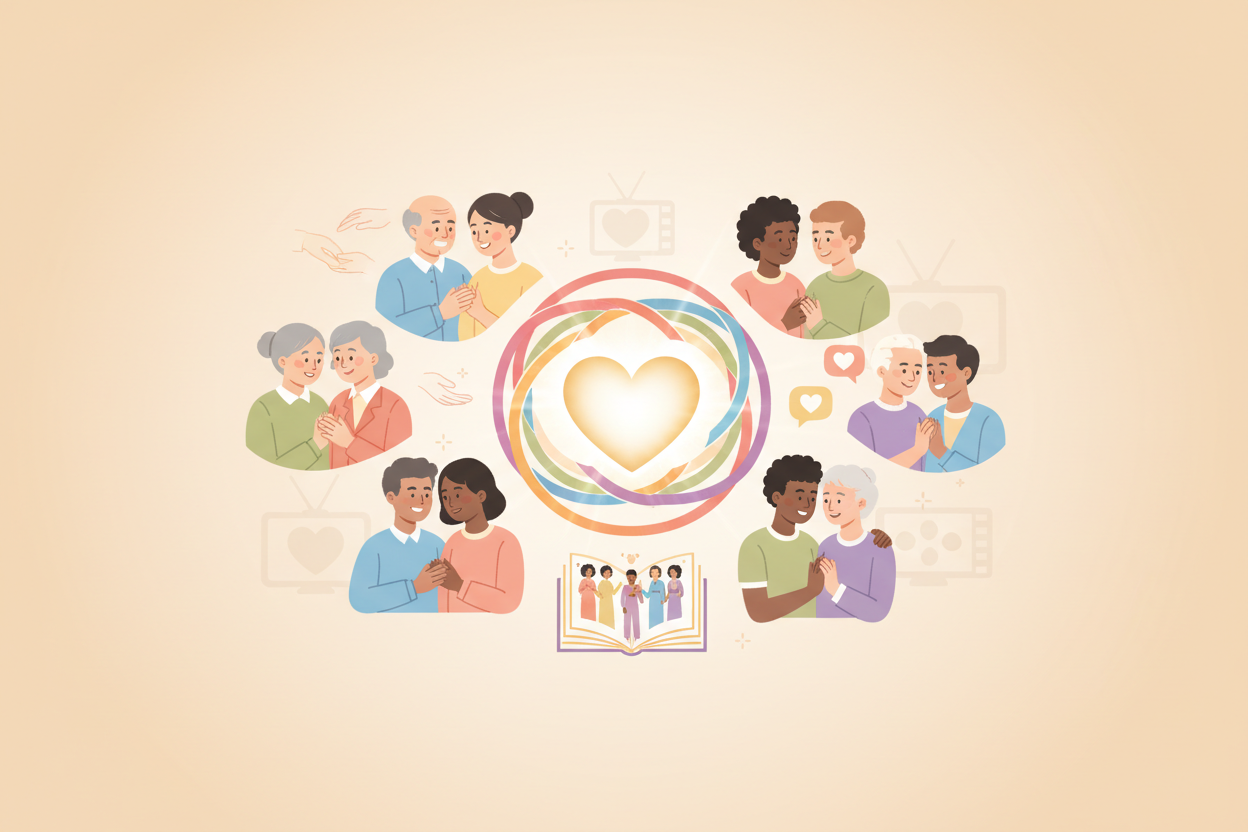
The sexual revolution of the 1960s and 1970s began to challenge these conservative portrayals, introducing more realistic depictions of romantic relationships and sexual desire. Television shows started addressing previously forbidden topics, while films explored sexuality with greater frankness and nuance.
Today’s media landscape presents an entirely different picture. Streaming platforms have revolutionized content creation, allowing for more diverse and authentic representations of sexuality across different demographics, orientations, and relationship structures. Shows like “Sex Education,” “Orange Is the New Black,” and “Euphoria” tackle complex sexual themes with unprecedented openness, though they also raise questions about accuracy and potential impacts on viewers.
How Media Shapes Sexual Attitudes and Behaviors
Research consistently demonstrates that media consumption significantly influences how individuals understand and approach sexuality. This influence operates through several key mechanisms that affect viewers across different age groups and backgrounds.
Social learning theory suggests that people learn behaviors and attitudes by observing others, including fictional characters in media. When viewers repeatedly see certain sexual behaviors, relationship dynamics, or beauty standards portrayed as normal or desirable, they may internalize these messages and apply them to their own lives.
Media also serves as a primary source of sexual education for many young people, particularly in societies where comprehensive sex education is limited or absent. Studies show that adolescents often turn to popular media to understand sexual norms, relationship expectations, and what constitutes “normal” sexual behavior. This reliance on media for sexual information can be problematic when portrayals are unrealistic, harmful, or lack important context about consent, safety, and emotional well-being.
The cultivation theory further explains how repeated exposure to media messages gradually shapes viewers’ perceptions of reality. When certain types of relationships, body types, or sexual practices are consistently overrepresented in media, audiences may develop skewed perceptions about their prevalence or desirability in real life.
The Double-Edged Sword of Modern Sexual Content
Contemporary media’s approach to sexuality presents both opportunities and challenges. On one hand, increased representation has led to more inclusive portrayals of diverse sexual orientations, gender identities, and relationship structures. LGBTQ+ characters are no longer relegated to stereotypical roles or tragic storylines, and discussions about consent, sexual health, and relationship communication have become more prominent.
However, the proliferation of sexual content across platforms has also raised concerns about hypersexualization, particularly regarding young people and marginalized communities. The pressure to create engaging, clickable content sometimes leads to sensationalized or unrealistic portrayals that prioritize entertainment value over educational accuracy or social responsibility.
The rise of social media has added another layer of complexity. Platforms like Instagram, TikTok, and OnlyFans have democratized content creation, allowing individuals to control their own sexual narratives. While this has empowered many to share authentic experiences and challenge mainstream representations, it has also contributed to the commodification of sexuality and increased pressure to present idealized versions of sexual experiences.
Impact on Body Image and Self-Perception
Media portrayals of sexuality are inextricably linked to body image and self-perception issues. The consistent presentation of narrow beauty standards and idealized body types in sexual contexts can profoundly impact how individuals view themselves and their desirability.
Research indicates that exposure to sexually objectifying media content correlates with increased body dissatisfaction, particularly among women and young people. When sexual desirability is consistently linked to specific physical attributes—such as particular body shapes, sizes, or features—viewers may develop unrealistic expectations about their own bodies and those of potential partners.
The phenomenon extends beyond physical appearance to include performance expectations. Media often presents sexual encounters as effortless, always pleasurable, and conforming to specific scripts that may not reflect the diversity of real sexual experiences. This can create performance anxiety and unrealistic expectations about sexual satisfaction and competence.
Fortunately, there’s a growing movement toward body positivity and authentic representation in media. Content creators and platforms are increasingly recognizing their responsibility to showcase diverse body types, abilities, and experiences, helping to normalize the full spectrum of human sexuality and appearance.
The Role of Digital Platforms in Shaping Sexual Discourse
Digital platforms have fundamentally altered how sexual content is created, distributed, and consumed. Unlike traditional media, which operated under centralized gatekeeping systems, digital platforms allow for more diverse voices and perspectives to reach audiences directly.
Social media platforms have become spaces for sexual education, advocacy, and community building. Sex educators, therapists, and advocates use these platforms to share accurate information about sexual health, consent, and relationship dynamics. This democratization of sexual education has helped fill gaps left by inadequate formal education systems.
However, the algorithms that govern content distribution on these platforms can create echo chambers and filter bubbles that reinforce existing beliefs rather than promoting diverse perspectives. Additionally, platform policies regarding sexual content often reflect cultural biases and can disproportionately affect marginalized communities, leading to censorship of educational or advocacy content while allowing potentially harmful material to remain accessible.
Cultural and Generational Differences in Media Consumption
The impact of sexual media portrayals varies significantly across different cultural contexts and generational cohorts. What’s considered acceptable or influential in one culture may be viewed very differently in another, highlighting the importance of considering cultural relativism when discussing media impacts.
Younger generations, who have grown up with unprecedented access to diverse sexual content online, often demonstrate more accepting attitudes toward sexual diversity and gender fluidity. However, they may also face unique challenges related to unrealistic expectations and the pressure to conform to idealized online personas.
Older generations may be more influenced by traditional media representations and may struggle to navigate the rapidly changing landscape of sexual discourse in digital spaces. This generational divide can create communication barriers and misunderstandings about sexual norms and expectations.
Cultural background also plays a crucial role in how individuals interpret and respond to sexual media content. Conservative cultures may view certain representations as threatening to traditional values, while more liberal societies may embrace diverse portrayals as signs of progress and inclusivity.
Moving Toward Responsible Representation
As awareness of media’s influence on sexual attitudes grows, there’s an increasing call for more responsible representation in all forms of media. This involves creating content that is not only entertaining but also educational, inclusive, and mindful of its potential impacts on audiences.
Content creators, platforms, and media companies are beginning to recognize their role in shaping sexual discourse and are taking steps to ensure their representations are more accurate and diverse. This includes consulting with experts, incorporating diverse voices in creative processes, and providing resources for viewers who may be influenced by the content they consume.
Media literacy education has also emerged as a crucial tool for helping audiences critically evaluate sexual content and understand the difference between entertainment and reality. By developing critical thinking skills, viewers can better navigate the complex media landscape and make informed decisions about how to interpret and apply what they see.
The future of sexual representation in media lies in finding a balance between creative freedom, entertainment value, and social responsibility. As consumers become more aware of media’s influence, they’re demanding more authentic, diverse, and thoughtful portrayals that reflect the complexity of human sexuality rather than reducing it to simplified or sensationalized narratives.
Ultimately, the relationship between sexuality and media will continue to evolve as technology advances and social attitudes shift. By maintaining open dialogue about these issues and promoting media literacy, we can work toward a media landscape that both entertains and educates while respecting the diversity and complexity of human sexual experience.
Frequently Asked Questions
How does media influence teenagers’ understanding of sexuality?
Media serves as a primary source of sexual information for many teenagers, especially when formal sex education is limited. Research shows that adolescents often learn about relationships, sexual behaviors, and body image expectations through movies, TV shows, and social media. This can lead to unrealistic expectations about sex and relationships if the content isn’t balanced with accurate, comprehensive education.
Are there positive examples of sexual representation in media?
Yes, many contemporary shows and films provide positive examples of sexual representation. Programs like “Sex Education,” “Schitt’s Creek,” and “The Half of It” present diverse, nuanced portrayals of sexuality that include discussions of consent, communication, and the full spectrum of sexual orientations and gender identities. These shows often consult with experts to ensure accuracy and sensitivity.
How can parents help their children navigate sexual content in media?
Parents can help by maintaining open communication about media content, explaining the difference between entertainment and reality, and providing accurate information about sexuality and relationships. It’s important to create a safe space for questions and discussions while also monitoring age-appropriate content and using parental controls when necessary.
What role do social media platforms play in sexual education?
Social media platforms have become important spaces for sexual education, with many certified sex educators, therapists, and health professionals sharing accurate information. However, these platforms also contain misinformation, so it’s crucial to verify sources and seek information from qualified professionals rather than relying solely on social media content.
How has the representation of LGBTQ+ sexuality in media changed over time?
LGBTQ+ representation has dramatically improved over the past few decades. Earlier portrayals were often limited to stereotypes or tragic storylines, but contemporary media increasingly features complex, authentic LGBTQ+ characters in leading roles. This positive representation has contributed to greater social acceptance and understanding of sexual and gender diversity.
Can media consumption affect sexual behavior in adults?
Yes, research indicates that media consumption can influence adult sexual behavior and expectations. Adults may adopt behaviors, preferences, or relationship patterns they see in media, particularly if they lack diverse real-life experiences or education. However, adults generally have more critical thinking skills to evaluate media content compared to younger audiences.