

10 Simple Ways to Reduce Stress: Mental Health and Wellness Tips
We’ve all been there – that overwhelming feeling when life seems to pile everything on at once. Your heart races, your mind won’t stop spinning, and you feel like you’re drowning in responsibilities. If this sounds familiar, you’re not alone. Stress has become an unwelcome companion for millions of people worldwide, affecting our mental health, physical wellbeing, and overall quality of life.
The good news? You don’t need expensive therapy sessions or exotic retreats to find relief. Sometimes the most effective stress-busting techniques are hiding in plain sight, waiting to be discovered in your daily routine. In this comprehensive guide, we’ll explore ten simple yet powerful ways to reduce stress and reclaim your peace of mind.
Whether you’re dealing with work pressure, family responsibilities, financial concerns, or just the general chaos of modern life, these evidence-based strategies can help you build resilience and find calm in the storm. Let’s dive into practical solutions that actually work – no complicated meditation retreats required.
Understanding Stress and Its Impact on Mental Health
Before we jump into solutions, it’s crucial to understand what we’re dealing with. Stress isn’t just feeling “a bit overwhelmed” – it’s your body’s natural response to perceived threats or challenges. When you encounter stress, your body releases hormones like cortisol and adrenaline, preparing you for fight-or-flight mode.
While this response served our ancestors well when facing physical dangers, today’s chronic stress from work deadlines, relationship issues, and constant digital connectivity can wreak havoc on our mental and physical health. Prolonged stress has been linked to anxiety, depression, heart disease, digestive problems, and weakened immune function.
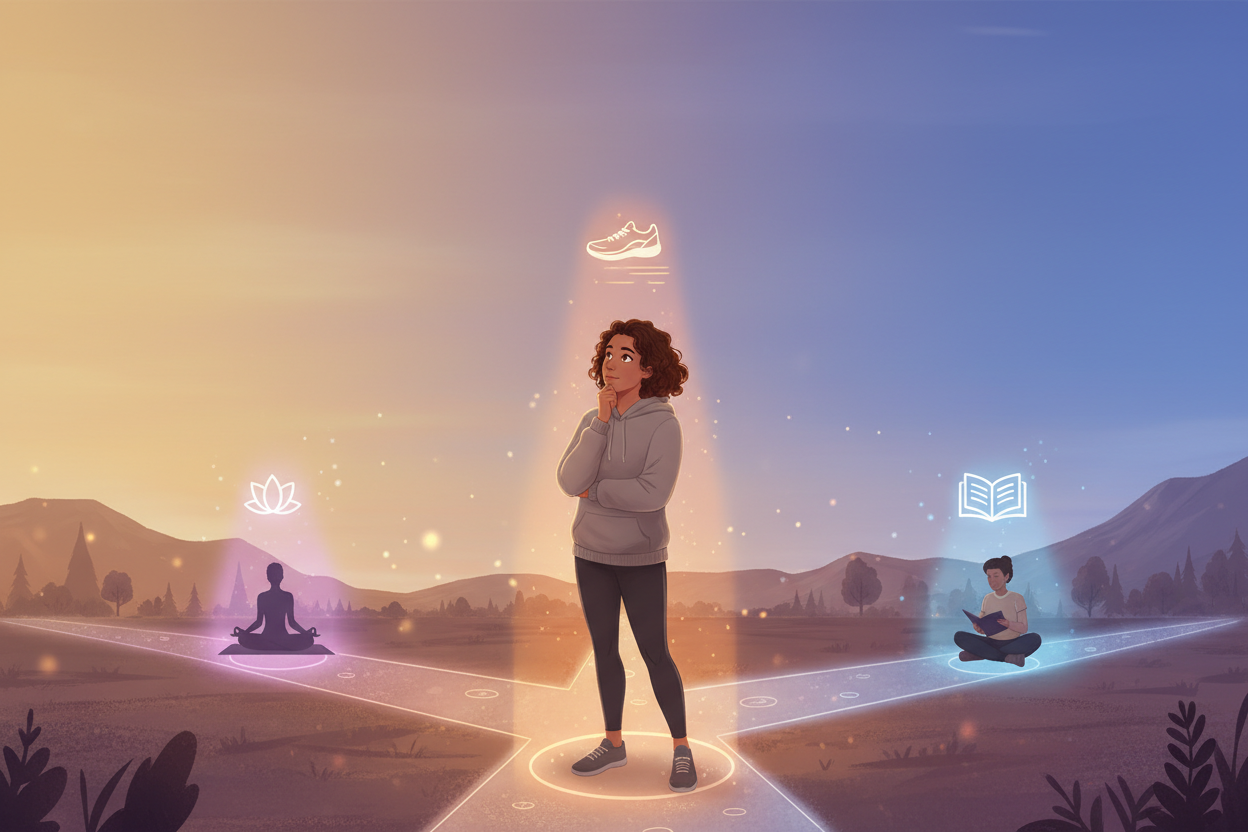
The key is learning how to manage stress effectively before it manages you. That’s where these ten simple strategies come into play.
1. Practice Deep Breathing Techniques for Instant Calm
One of the most immediate ways to combat stress is through controlled breathing. When we’re stressed, our breathing becomes shallow and rapid, which actually signals our brain to maintain the stress response. By consciously slowing and deepening our breath, we can activate the parasympathetic nervous system – our body’s natural relaxation response.
Try the 4-7-8 technique: inhale through your nose for 4 counts, hold your breath for 7 counts, then exhale through your mouth for 8 counts. Repeat this cycle three to four times whenever you feel stress mounting. You can do this anywhere – at your desk, in traffic, or before a challenging conversation.
Another effective method is diaphragmatic breathing. Place one hand on your chest and another on your belly. Breathe slowly through your nose, ensuring the hand on your belly rises more than the one on your chest. This simple practice can lower your heart rate and blood pressure within minutes.
2. Create a Consistent Sleep Schedule for Better Stress Management
Sleep and stress have a complicated relationship – stress can disrupt sleep, and poor sleep increases stress levels. Breaking this cycle is essential for maintaining good mental health. Quality sleep helps your brain process emotions, consolidate memories, and recharge for the next day’s challenges.
Establish a regular bedtime routine by going to bed and waking up at the same time every day, even on weekends. Create a relaxing pre-sleep ritual that might include reading, gentle stretching, or listening to calming music. Keep your bedroom cool, dark, and quiet, and avoid screens for at least an hour before bedtime.
If racing thoughts keep you awake, try keeping a notebook by your bed to jot down worries or tomorrow’s tasks. This simple act of “downloading” your concerns can help quiet your mind and signal that it’s time to rest.
3. Incorporate Regular Physical Exercise into Your Routine
Exercise is nature’s stress reliever. Physical activity increases the production of endorphins – your brain’s feel-good neurotransmitters – while simultaneously reducing stress hormones like cortisol and adrenaline. You don’t need to become a marathon runner to reap these benefits.
Even a 10-minute walk around the block can shift your perspective and reduce stress levels. Dancing to your favorite songs, doing jumping jacks during commercial breaks, or taking the stairs instead of the elevator all count as stress-busting activities.
For maximum stress relief, aim for at least 30 minutes of moderate exercise most days of the week. This could be as simple as gardening, playing with your pets, or having a dance party in your living room. The key is finding activities you enjoy so exercise doesn’t become another source of stress.
4. Practice Mindfulness and Present-Moment Awareness
Much of our stress comes from worrying about the future or ruminating on the past. Mindfulness – the practice of staying present and fully engaged with whatever you’re doing right now – can be a powerful antidote to stress and anxiety.
Start small with mindful moments throughout your day. When washing dishes, focus on the warm water and soap bubbles. During your commute, notice the scenery or listen carefully to a podcast. When eating, pay attention to flavors, textures, and aromas instead of scrolling through your phone.
Meditation apps can be helpful, but mindfulness doesn’t require sitting in lotus position for hours. Even taking three conscious breaths before checking your email can create a moment of calm in your busy day.
5. Maintain Social Connections and Seek Support
Humans are social creatures, and isolation can amplify stress significantly. Strong social connections provide emotional support, practical help, and a sense of belonging that can buffer against life’s challenges.
Make time for relationships that nourish you. This might mean scheduling regular coffee dates with friends, calling a family member weekly, or joining a community group based on your interests. Quality matters more than quantity – one or two close relationships can be more stress-relieving than dozens of superficial connections.
Don’t hesitate to reach out when you’re struggling. Talking through your problems with trusted friends or family members can provide new perspectives and emotional relief. Sometimes just knowing someone cares can significantly reduce your stress levels.
6. Organize Your Environment and Declutter Your Space
Your physical environment has a profound impact on your mental state. Cluttered, disorganized spaces can contribute to feelings of chaos and overwhelm, while clean, organized environments promote calm and clarity.
Start small – clean off your desk, organize one drawer, or clear your kitchen counter. The act of organizing can be meditative, and the results provide a sense of accomplishment and control. A tidy space also reduces the mental energy required to navigate your environment and find what you need.
Consider adopting the “one-touch rule” – when you pick something up, deal with it immediately rather than setting it aside for later. This prevents small tasks from accumulating into overwhelming piles of stress-inducing clutter.
7. Set Healthy Boundaries and Learn to Say No
Many people experience chronic stress because they’ve overcommitted themselves. Learning to set boundaries and say no to non-essential requests is crucial for protecting your mental health and energy.
Before agreeing to new commitments, ask yourself: Does this align with my priorities? Do I have the time and energy to do this well? Will this add value to my life or just more stress? It’s okay to say, “Let me check my schedule and get back to you” to buy yourself time to consider requests thoughtfully.
Remember that saying no to one thing means saying yes to something else – perhaps rest, family time, or pursuing your own goals. Healthy boundaries aren’t selfish; they’re essential for maintaining your ability to show up fully for what matters most.
8. Develop a Gratitude Practice for Mental Wellness
Gratitude is a powerful stress-reduction tool that shifts your focus from what’s wrong to what’s going right in your life. Regular gratitude practice has been shown to improve mood, reduce anxiety, and increase overall life satisfaction.
Keep a gratitude journal where you write down three things you’re thankful for each day. They don’t have to be big – maybe you’re grateful for your morning coffee, a text from a friend, or simply having a roof over your head. The key is consistency and specificity.
You can also practice gratitude in the moment by taking time to really appreciate positive experiences as they happen. When you notice something beautiful, feel grateful for a kind gesture, or enjoy a good meal, pause and acknowledge the feeling of appreciation.
9. Limit Screen Time and Digital Overwhelm
Constant connectivity can be a major source of stress in our modern world. The endless stream of news, social media updates, emails, and notifications can keep our nervous systems in a state of hypervigilance.
Create digital boundaries by setting specific times for checking email and social media rather than constantly monitoring throughout the day. Consider turning off non-essential notifications and using “Do Not Disturb” modes during focused work or relaxation time.
Establish screen-free zones or times, such as during meals, the first hour after waking, or the hour before bed. Use this time for activities that genuinely restore you – reading, walking, talking with loved ones, or simply sitting quietly.
10. Engage in Hobbies and Activities That Bring Joy
When we’re stressed, we often abandon the activities that bring us joy, thinking we don’t have time for “non-essential” pursuits. This is exactly backward – engaging in enjoyable activities is essential for stress management and overall wellbeing.
Make time for hobbies and interests that energize you, whether that’s reading, gardening, cooking, playing music, crafting, or learning something new. These activities provide a mental break from stressors while giving you a sense of accomplishment and pleasure.
If you’ve lost touch with what you enjoy, experiment with different activities until you find what resonates. Sometimes rediscovering childhood interests or trying something completely new can reignite your sense of joy and wonder.
Creating Your Personal Stress Management Plan
While all ten strategies can be effective, you don’t need to implement them all at once. Start by choosing one or two techniques that resonate with you and commit to practicing them consistently for a few weeks. Once they become habits, gradually add other strategies.
Remember that stress management is highly individual – what works for your friend might not work for you, and that’s perfectly okay. Pay attention to which techniques provide the most relief and build your personal stress management toolkit around those methods.
Consider keeping a stress journal to track your stress levels and note which situations trigger stress and which techniques provide relief. This awareness can help you become more proactive in managing stress before it becomes overwhelming.
Conclusion: Taking Control of Your Mental Health Journey
Managing stress isn’t about eliminating all challenges from your life – that’s neither possible nor desirable. Instead, it’s about developing resilience and tools to navigate life’s inevitable ups and downs with greater ease and confidence.
These ten simple strategies offer a starting point for building a more balanced, peaceful life. Some days will be better than others, and that’s normal. The goal isn’t perfection but progress – small, consistent steps toward better mental health and wellbeing.
Remember that if stress becomes overwhelming or persistent despite your best efforts, it’s important to seek professional help. Mental health professionals can provide additional tools and support tailored to your specific situation.
Your mental health matters, and taking steps to manage stress is an investment in your overall quality of life. Start where you are, use what resonates with you, and be patient with yourself as you build new habits. With time and practice, these simple strategies can help you create a calmer, more balanced life.
Frequently Asked Questions
How long does it take to see results from stress management techniques?
Some techniques like deep breathing can provide immediate relief, while others like regular exercise or gratitude practice may take a few weeks of consistent implementation to show significant results. Most people notice improvements in their stress levels within 2-4 weeks of regular practice.
What should I do if these techniques don’t seem to help my stress levels?
If you’ve tried multiple stress management techniques consistently for several weeks without improvement, it may be time to consult with a healthcare provider or mental health professional. Chronic stress can sometimes indicate underlying health issues or may require professional intervention.
How many stress management techniques should I try at once?
It’s best to start with 1-2 techniques and practice them consistently before adding more. Trying to implement too many changes at once can actually create additional stress. Focus on building sustainable habits gradually.
Can stress management techniques replace professional mental health treatment?
While these techniques are valuable tools for managing everyday stress, they shouldn’t replace professional treatment for serious mental health conditions like clinical depression or anxiety disorders. They can be excellent complements to professional care.
How do I know which stress management technique is right for me?
The best technique is one you’ll actually use consistently. Consider your lifestyle, preferences, and what feels natural to you. Some people prefer physical activities, others respond better to mental techniques like meditation or journaling. Experiment to find what works best for your situation.
Is it normal for stress levels to fluctuate even when using these techniques?
Absolutely. Stress is a normal part of life, and levels will naturally fluctuate based on circumstances, health, sleep, and other factors. The goal is to develop resilience and tools to manage stress more effectively, not to eliminate it entirely.