On Thursday, September 17, the Pittsburgh International Jazz Festival begins its 16th edition at the August Wilson African American Cultural Center, and by the weekend, Liberty Avenue will once again become one of the most important free stages in Downtown Pittsburgh. That combination is the story this year: a major international festival anchored by a Pittsburgh institution, with enough room for local musicians, neighborhood audiences, visiting fans, and anyone who simply wants to hear a good band without buying a ticket.
The 2026 festival runs September 17–20. It brings ticketed concerts, the Jazz Train, the Taste of Jazz/Taste of Pittsburgh Party, and free outdoor performances to the Cultural District. The headline names are substantial — Samara Joy, Lalah Hathaway, Terri Lyne Carrington, Orrin Evans, Bernard Purdie, Lady BlackBird, Nate Smith, Eric Roberson, and others — but the more revealing part of the lineup is how deliberately it places Pittsburgh musicians inside the same frame.
A festival built around Pittsburgh’s own address
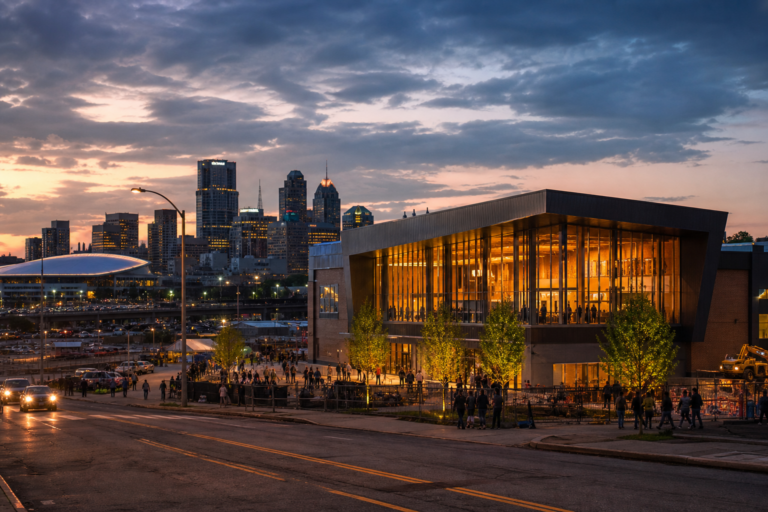
The August Wilson African American Cultural Center, at 980 Liberty Avenue, is not just a convenient room for the festival. It gives the weekend a clear cultural center. The building sits at the eastern end of the Cultural District, near the Benedum Theater, Heinz Hall, the Byham Theater, and the Harris Theater, but its programming has always made a distinct claim: Black art, history, performance, and community life belong at the center of Pittsburgh’s cultural conversation.
That matters for jazz because Pittsburgh’s musical history is not a decorative backstory. The city produced or nurtured figures including Earl “Fatha” Hines, Mary Lou Williams, Art Blakey, Ahmad Jamal, Billy Strayhorn, and George Benson. The jazz tradition here has never been only about preserving old recordings. It has moved through Hill District clubs, churches, schools, radio, neighborhood bars, and conservatories, changing shape as players found new audiences.
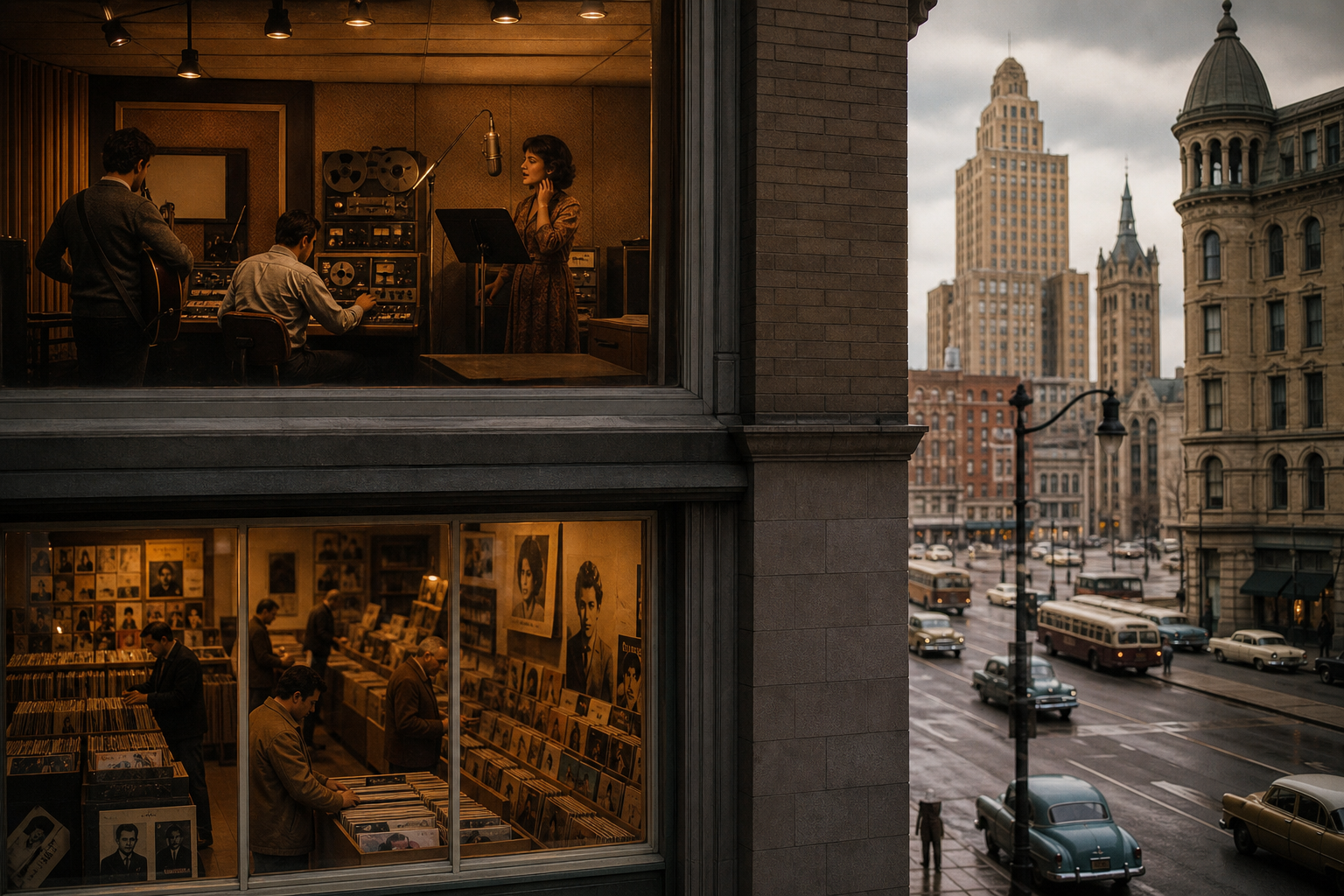
RadioPGH has written about one earlier part of that infrastructure in Gateway Records, the Downtown studio that put Pittsburgh jazz, soul, pop, and polka onto vinyl. The lesson from that history is useful now: scenes survive when there are places to record, perform, listen, and pass knowledge between generations.
The free weekend is the real civic invitation
The outdoor portion of the Pittsburgh International Jazz Festival takes over Liberty Avenue on Saturday, September 19, and Sunday, September 20. It is free and open to the public, with paid VIP options available for people who want a more structured festival experience. For everyone else, the street program offers a different kind of access: arrive downtown, hear a set, walk a few blocks, stop for food, and decide what to follow next.
That format is especially valuable in a city where music can feel divided between large ticketed rooms and small, highly specific scenes. The Liberty Avenue stages create a middle ground. A visitor can hear an internationally known vocalist, then encounter a Pittsburgh band or instrumentalist whose work may not yet have a national touring profile. The audience does not need to know the difference in advance. The street does the sorting through sound.
The festival’s lineup includes hometown-connected performers such as Dwayne Dolphin, Dennis Garner Jr., Nathan Paul-Davis & The Admirables, Rakiem Walker, and the Jae Sinnett Blur the Lines Project. Their presence keeps the weekend from becoming a traveling package dropped into Pittsburgh for four days. The city is part of the programming, not merely the backdrop.
Jae Sinnett’s “Blur the Lines” is a useful key
The Jae Sinnett Blur the Lines Project makes the festival’s larger idea unusually clear. Sinnett, a Pittsburgh native, revisits the rock, funk, soul, and blues influences that shaped his early musical life before he moved more deeply into jazz drumming. The project features Ada Rovatti on saxophone, Jason Cale on guitar, Gary Fisher on keyboards, and Terry Burrell on bass.
That is not a genre exercise so much as a Pittsburgh listening history. Older local listeners may recognize the period when rock, soul, funk, and jazz could coexist on the same station or in the same night out. Younger listeners may hear a reminder that the boundaries they inherit were never as solid as music-business categories suggest.
RadioPGH’s look at WDVE and the making of Pittsburgh rock radio offers another way into that history. The point is not that every Pittsburgh musician sounds alike. It is that Pittsburgh listeners have long been comfortable with musical crosscurrents: jazz musicians who know the weight of a backbeat, rock players shaped by blues, soul singers with a strong sense of improvisation, and DJs who understand that a good sequence can make separate genres feel like one conversation.
Look beyond the headliners
Samara Joy’s Friday night concert at the August Wilson African American Cultural Center is the festival’s major ticketed opening event, followed by the Taste of Jazz/Taste of Pittsburgh Party. Lalah Hathaway, Terri Lyne Carrington, Sean Jones, Orrin Evans, Bernard Purdie, Lady BlackBird, and Nate Smith give the weekend plenty of obvious draws.
But a useful festival strategy is to make time for names that are less familiar. Dwayne Dolphin’s bass playing is part of Pittsburgh’s living jazz identity. Rakiem Walker brings a strong connection to the region’s contemporary soul and jazz community. Dennis Garner Jr. and Nathan Paul-Davis represent the working ecosystem that keeps local performance from being reduced to nostalgia. The point is not to treat local artists as an opening act for the “real” program. It is to hear how the city’s musicians are extending the tradition right now.
The festival also reaches beyond the main weekend through Quiet As Kept: Jazz @ Carnegie Libraries, a series that has brought performances to branches in the Hill District, East Liberty, Carrick, Allegheny, Homewood, South Side, and other Pittsburgh neighborhoods. That programming recognizes something important about access: a downtown festival can be exciting, but a scene becomes durable when music also travels to where people already live, study, work, and gather.
Why this weekend lands differently in 2026
The 2026 edition is framed around the 250th anniversary of the signing of the Declaration of Independence, but the strongest reason to pay attention is more immediate. Pittsburgh is still negotiating what its cultural center should do for the rest of the city. The Cultural District has major theaters and institutions, while neighborhoods carry their own clubs, churches, community spaces, and informal music networks. The jazz festival connects those layers for one concentrated weekend.
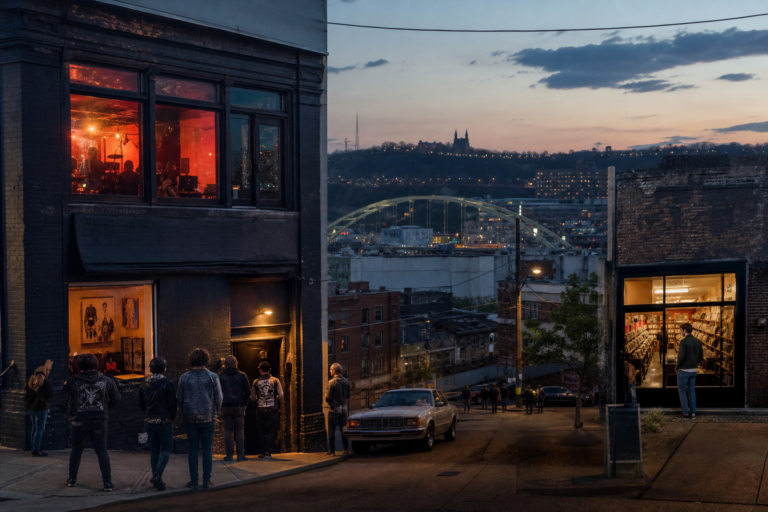
It also arrives at a useful moment in the local calendar. The summer outdoor season is winding down, but fall’s club schedule is accelerating. The festival offers a chance to hear the city at scale before returning to rooms such as Thunderbird Cafe & Music Hall, Con Alma, Club Cafe, Bottlerocket, Mr. Smalls, and the many smaller spaces that make Pittsburgh’s music life feel unusually close to the ground.
For visitors, the festival is an easy introduction to Downtown Pittsburgh: Liberty Avenue, the Cultural District, the August Wilson Center, nearby restaurants, and the city’s walkable concentration of performance spaces. For longtime Pittsburghers, it is a reason to stop treating local jazz as something that only appears during a special event. The musicians on these stages are part of the city’s weekly musical life.
How to listen your way through it
Start with one set you already recognize, then leave room for something you do not. If you are downtown on Saturday or Sunday, resist the urge to plan every minute. The free street festival is designed for movement. Follow a drummer’s sound down Liberty Avenue. Stay for a singer whose name you missed. Ask a friend which local player they came to hear.
That kind of active listening is central to what RadioPGH does year-round. Our Pittsburgh Stories & Takes section looks at the places, people, and histories behind the music, while the station keeps those connections moving between old recordings and current artists. When the festival crowds thin out, you can keep the weekend going through Listen Live.
The Pittsburgh International Jazz Festival matters because it makes a persuasive argument in public: Pittsburgh jazz is not a museum piece, and it is not only a national act passing through town. It is a working network of artists, venues, libraries, listeners, and institutions. On Liberty Avenue this weekend, that network gets loud enough for the whole city to hear.
The Afternoon Drive on RadioPGH
You found the story. Now hear the station — independent Pittsburgh radio, live 24/7.
More from the Republic.
Meet RadioPGH.
Stay Tuned to Pittsburgh
New local music, RadioPGH stories, station updates, shows and events—straight to your inbox.